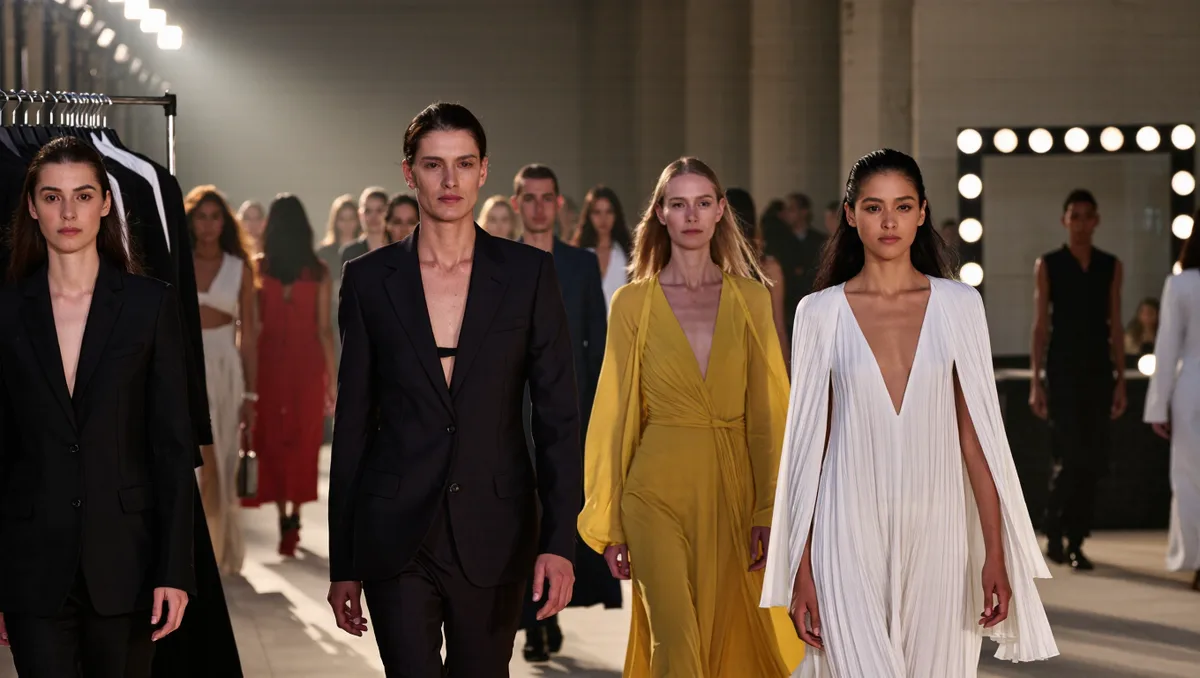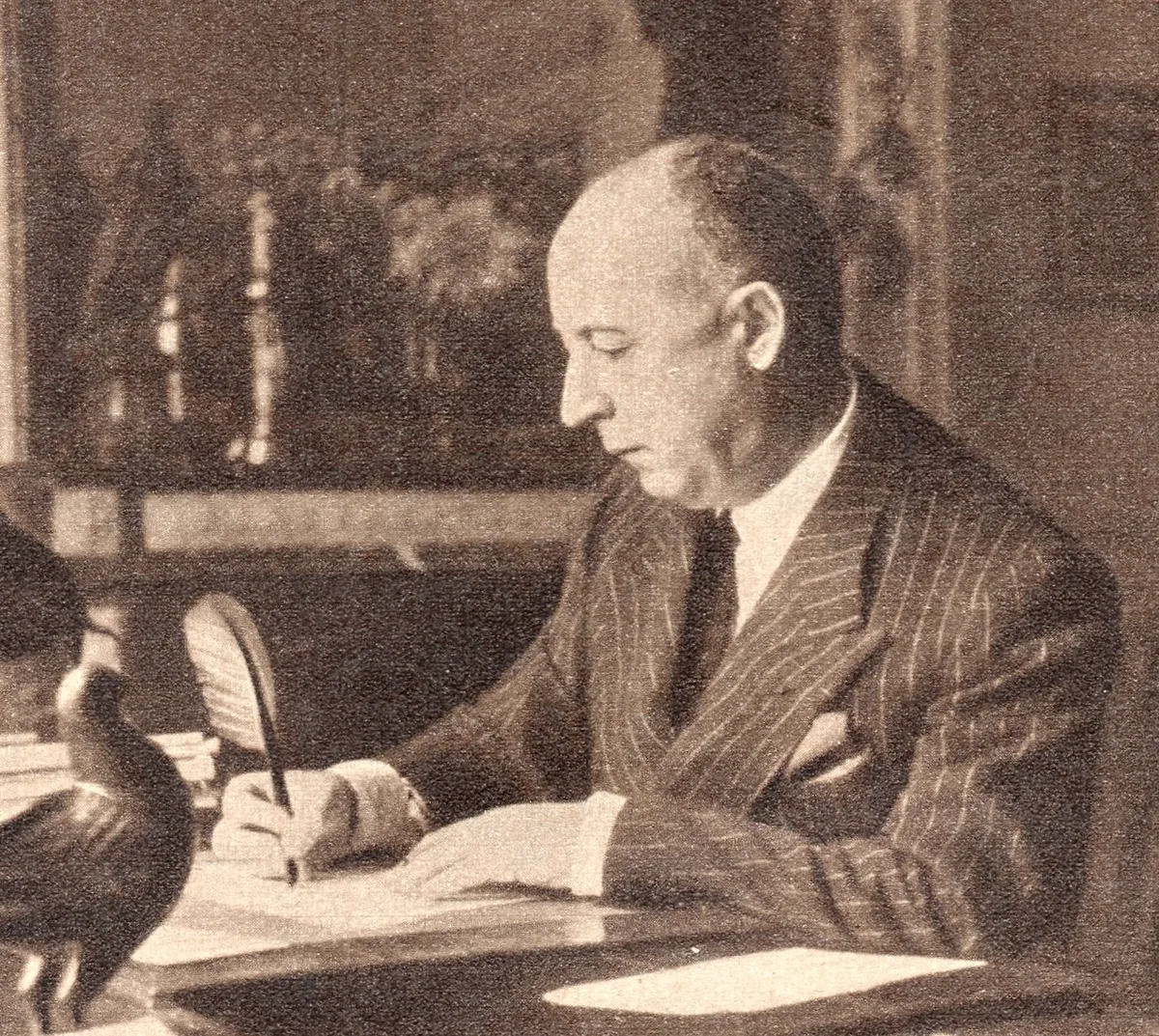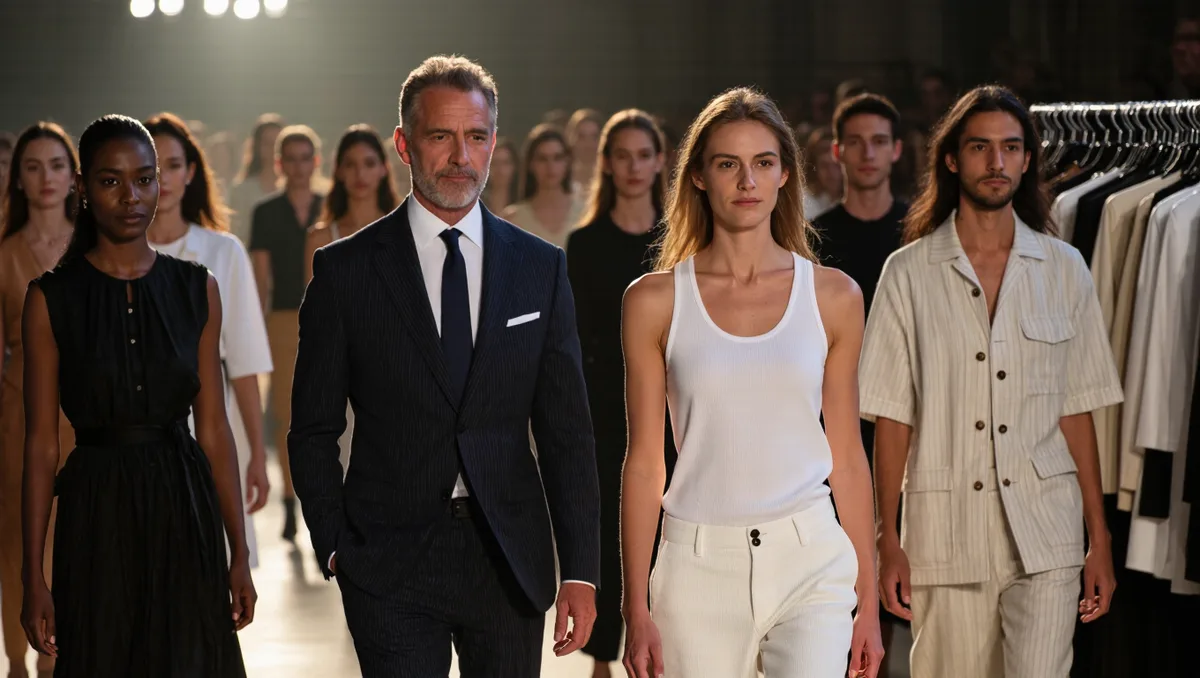
Ranking influence is a claim about degree. The superlative, as Merriam-Webster frames it in its entry on the word, describes the greatest in extent or degree, and that is the honest test here: not who sewed the prettiest dress, but whose ideas changed the most about how people dress. The five names below pass that test. Each one broke a rule the whole industry was following, and the industry then followed them.
The list leans on the public professional record rather than on nostalgia. A designer earns a place by changing the cut of a jacket, the rhythm of a calendar or the business of a house, and by leaving a method that others still copy. Our full designers coverage follows the same logic, profile by profile.
1. Coco Chanel: The Designer Who Dressed the Modern Woman
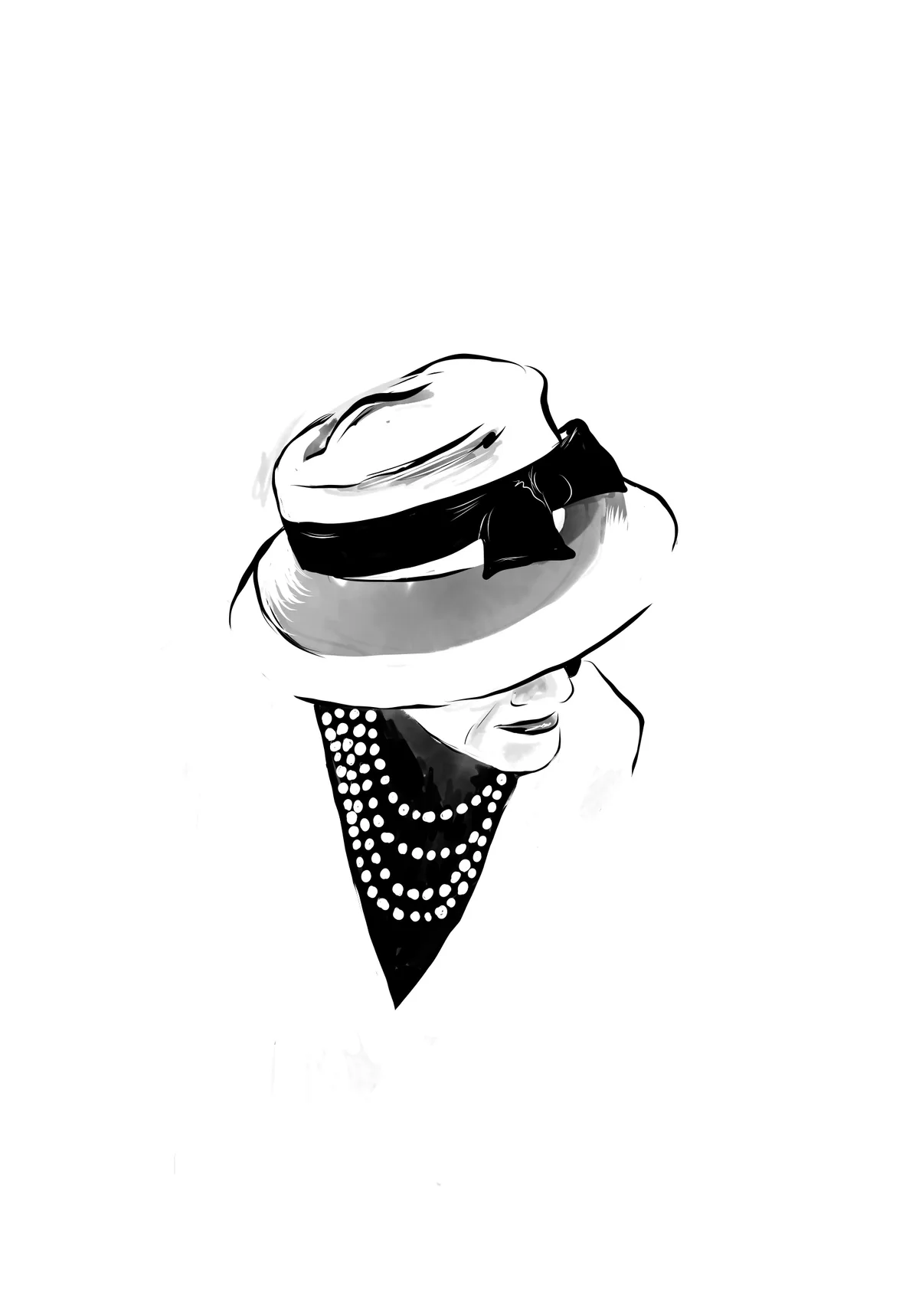
Chanel's influence is structural. She took menswear fabrics and menswear ease and built them into a woman's wardrobe: the jersey dress, the boxy jacket with its chain-weighted hem, the two-tone slingback. Before her, fashionable dress was largely about constraint. After her, it was about movement. That shift is why nearly every designer who claims to make clothes for real life is, knowingly or not, working in her shadow.
The read: Chanel is first not because her clothes were the most beautiful, but because her idea, that a woman should be able to move, won so completely that it stopped looking like an idea at all.
2. Christian Dior: The Silhouette That Reset the Industry
Dior understood that fashion moves in shapes. The New Look, with its nipped waist and full skirt, did not merely flatter a postwar mood; it re-established the couture house as the engine of taste and proved that a single silhouette could redirect the entire trade. Every seasonal cycle of "this year's shape" descends from that demonstration. Tailoring students still study his construction for the way it engineers a body into an hourglass.
What this means for the reader: when a season's waistline moves, that is Dior's mechanism at work, decades on.
3. Yves Saint Laurent: Fashion's Great Borrower of Ideas
Saint Laurent brought the street, the art world and the men's closet into the women's one. The tuxedo suit for women, the sheer blouse, the safari jacket: each translated something a woman supposedly could not wear into something she bought immediately. He also built the bridge between couture and ready-to-wear that the modern industry drives across daily. Influence here is a distribution system as much as a look.
The verdict, as this desk reads it: no designer did more to make fashion's high ideas commercially ordinary, and that is the whole game.
4. Cristóbal Balenciaga: The Architect of Cut
Balenciaga is the designers' designer, the one other couturiers called the master. His clothes stand away from the body in sculpted volumes, a dress or coat that holds its own architecture without a corset underneath. He treated fabric as a building material, cutting sleeves, collars and hemlines into new geometry. Contemporary minimalism, from the clean volume of today's runways to the sculptural coat every house attempts, is his vocabulary spoken in a modern accent.
One concrete detail worth knowing: his bias-cut and his sculpted lines demand a level of finishing that still marks the difference between good tailoring and great tailoring.
5. Rei Kawakubo: The Idea as Garment
Kawakubo changed what fashion is allowed to argue about. Her work for Comme des Garçons introduced asymmetry, deliberate imperfection and unfinished edges as serious design positions, and forced the runway to reckon with clothes that question beauty rather than flatter it. She is the reason a collection can be an argument. We covered this at length in our profile of how Rei Kawakubo Built Comme des Garçons by Refusing to Play by the Rules.
Her place on this list is the most recent and the most debatable, and the debate is the point: influence now includes changing the conversation, not only the wardrobe.
What This Ranking Means, and Who Almost Made It
The honest caveat: any ranking of famous fashion designers compresses a crowded field. Azzedine Alaïa, the perfectionist who refused the calendar, reshaped how clothes touch the body. Vivienne Westwood carried punk into couture. Miuccia Prada proved that ideas can sell handbags, which is its own kind of influence. Ralph Lauren sold a story of America before he sold clothes. Any of them could displace the bottom of a top five on a different day, with a different judge.
The test we applied stays the same. Did the designer change the cut, the system or the conversation in a way that outlasted them? Chanel, Dior, Saint Laurent, Balenciaga and Kawakubo did, in that order of reach. The names to watch next are the ones changing the system now, from sustainability economics to technology-driven making, and we will be watching the next debuts to see who earns a place on a future version of this list.