Christian Dior's New Look is the 1947 silhouette that pulled the waist in, pushed the shoulders soft and let skirts fall wide and long. It turned fashion's mood from wartime restraint to unapologetic femininity almost overnight. And it still supplies the template every red carpet reaches for when a stylist wants a look read as pure glamour.
That staying power is the real story. Trends rotate on a seasons-long clock; the New Look has outlasted every one of them since. Trace most corseted bodices, full ball skirts and wasp-waist tailoring on a runway today, and you end up back at Dior's first collection. The house's own designers category is full of names who bent the rules. Dior is the rare case of a designer who wrote one.
What exactly was the New Look?
The New Look was the press's shorthand for Dior's debut spring collection of 1947, presented in lines with names drawn from flowers. The most famous outfit paired a fitted white jacket with a full black skirt — the Bar suit, named for the Paris bar whose curved, snug line Dior said he wanted to capture. Shoulders were soft and rounded instead of squared. Hips were padded. Skims of fabric pooled into skirts that fell well below the knee.
The shape was a deliberate reversal of everything the war years had required. Rationing had shortened skirts, narrowed them and stripped away ornament. Dior restored length, fullness and a sculpted waist, and he did it with extravagance. The silhouette asked for structure underneath: boning, padding, layers of petticoat. It was architecture worn as clothing.
Why did it cause such a shock?
Because it broke the rationing mood on purpose. In a Europe still counting coupons, dresses that consumed that much cloth read to some as wasteful, even provocative. Critics and protesters attacked the length and the extravagance; admirers packed the house's salon. Both reactions proved the same point. After years of clothing shaped by shortage, Dior had made abundance itself the statement.
There was a commercial logic under the romance, too. A silhouette that demanded new foundations, new lengths and new accessories made every existing wardrobe obsolete. As our own explainer on How Fashion Houses Make Money Beyond the Runway notes, a house lives on more than a runway moment. The New Look was a runway moment engineered to sell an entire supporting cast.
What this means for how glamour is read
The deeper innovation was not the waistline. It was the idea that a designer could declare a single, house-authored shape and have the world adopt it. Before Dior, fashion moved through many hands; after him, the creative director as singular author became the industry's operating model — a lineage our profiles of figures like Rei Kawakubo, who built a career refusing that system, keep circling back to.
The silhouette also fixed a visual grammar. Cinch the waist, swell the skirt, soften the shoulder, and the eye reads: evening, occasion, money. Watch any awards season and count how many gowns are the Bar suit's logic in silk. The vocabulary has been updated a thousand times — volume swapped for slink, corsetry for stretch — but the sentence structure holds. Our ranking of The Most Influential Fashion Designers of All Time, Ranked places Dior in that company for exactly this reason: influence measured in shapes other people keep borrowing.
How the house carried the silhouette forward
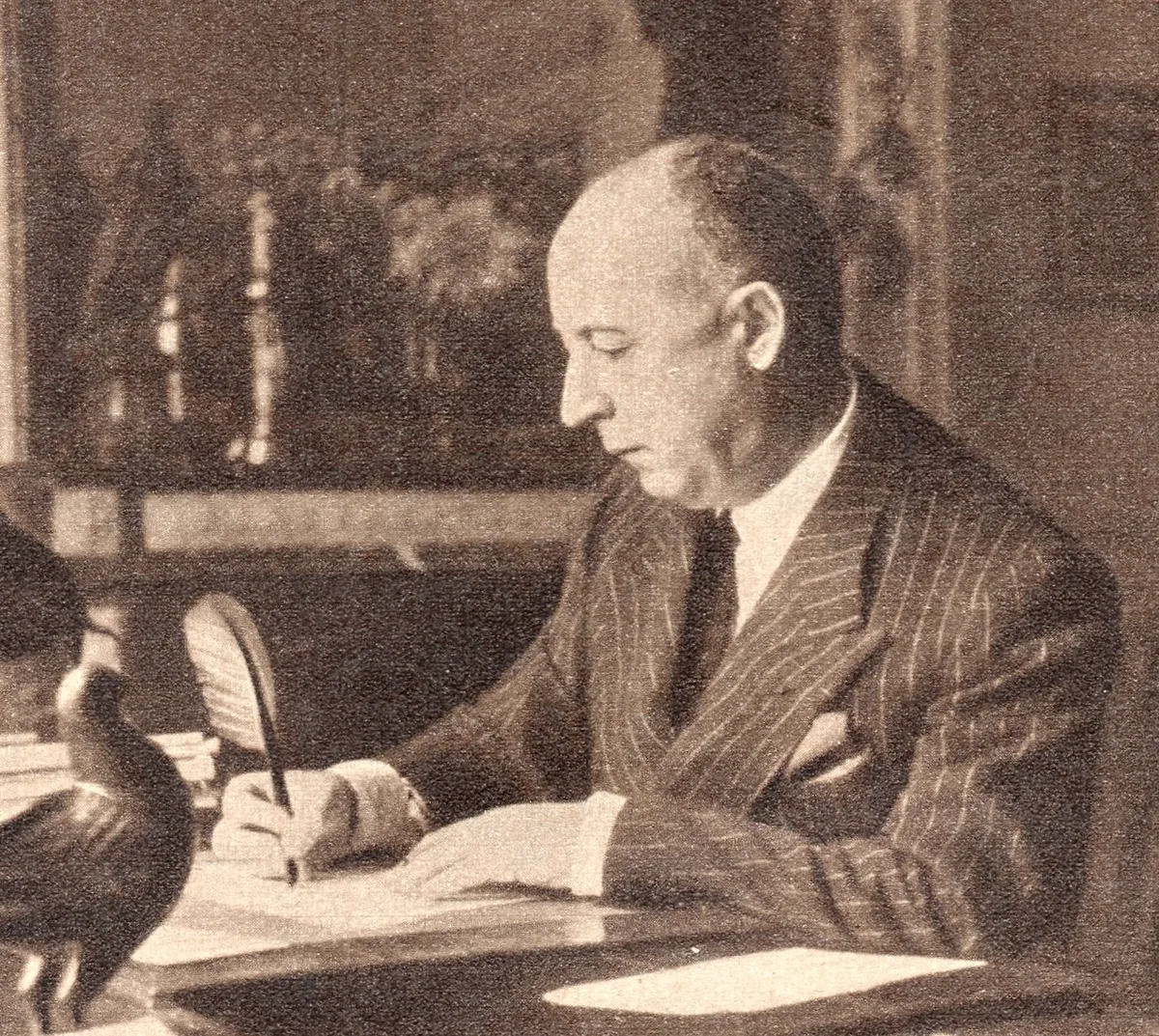
Dior himself spent the following decade restaging the waistline in variations — the pencil-thin line, the A-line, the H-line — each a fresh negotiation with the same obsession. His death in 1957 cut that run short, and the young Yves Saint Laurent, elevated from assistant to the top job, softened the silhouette toward a looser, lighter line. The succession proved something the industry still runs on: a house's codes can outlive their author, and the New Look became a code rather than a collection.
Later creative directors have treated it as a shared inheritance. Some quote it reverently, with bar jackets reissued near-verbatim. Others argue with it, trading the corsetry for ease. Both moves keep the reference alive, because the New Look works either as homage or as foil. Few silhouettes can absorb that much argument and stay legible.
How to wear the New Look now
The serviceable version does not require foundations or a salon. The transferable elements are three: a defined waist, deliberate volume below it, and softness at the shoulder.
- Define the waist first. A belted jacket or a fitted bodice does the structural work a 1947 corset once did. The rest of the look reads from this anchor.
- Let the skirt carry the drama. Full or A-line, mid-calf or longer. One volume point is enough; pair it with a close top and the proportion balances itself.
- Keep the shoulder soft. A rounded, unpadded shoulder keeps the reference modern rather than costume. Sharp tailoring above a full skirt shifts the message from Dior to power dressing.
The read, as this desk sees it: the New Look endures because it is less a trend than a definition. It told the twentieth century what dressed-up meant, and every decade since has either agreed or argued — and arguing still requires the original terms. The next place to watch the argument play out is the couture calendar, where each season's events stage the waistline's latest negotiation. Expect it to keep winning.