Law Roach calls himself an image architect, and the industry kept the phrase because the job is structural, not decorative. The encyclopedic record credits him with the looks of Zendaya and Céline Dion, per its account, and in 2022 he received the first CFDA award for American fashion styling. The credit exists because the partnership behind it works.
This close-up reads that partnership the way a studio would: what the pair does, where the model came from, and why it keeps producing looks that history files away. The subject is a working method. The red carpet is where it reports its results.
What you're looking at: a division of labor
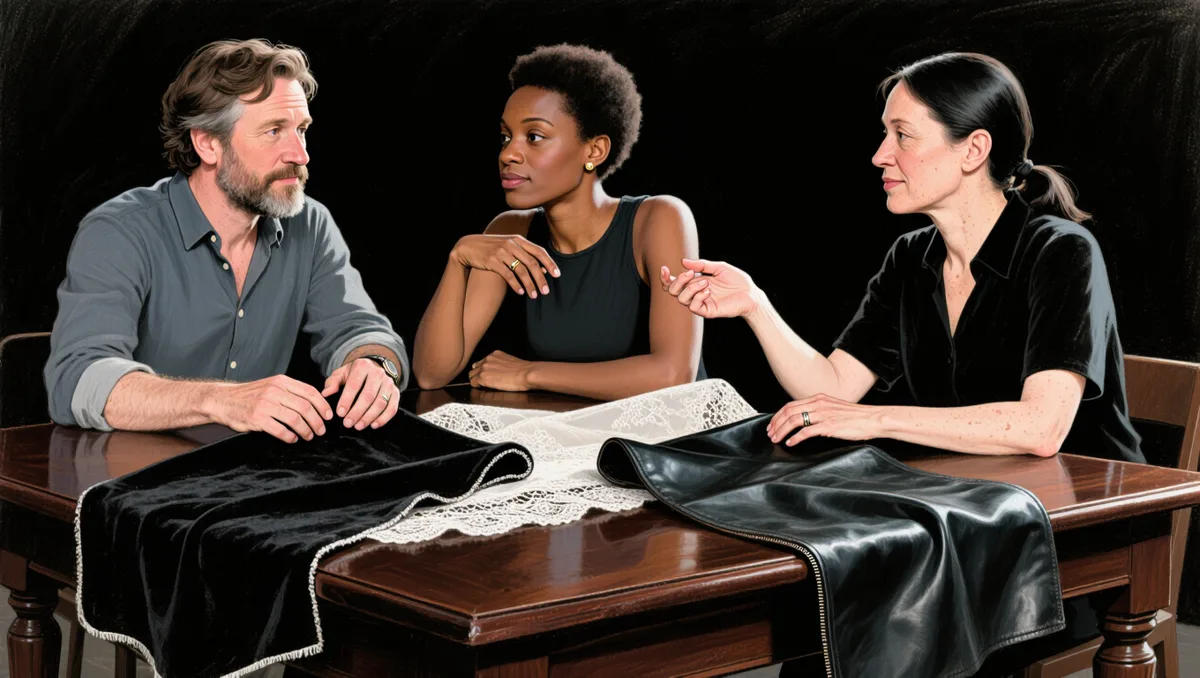
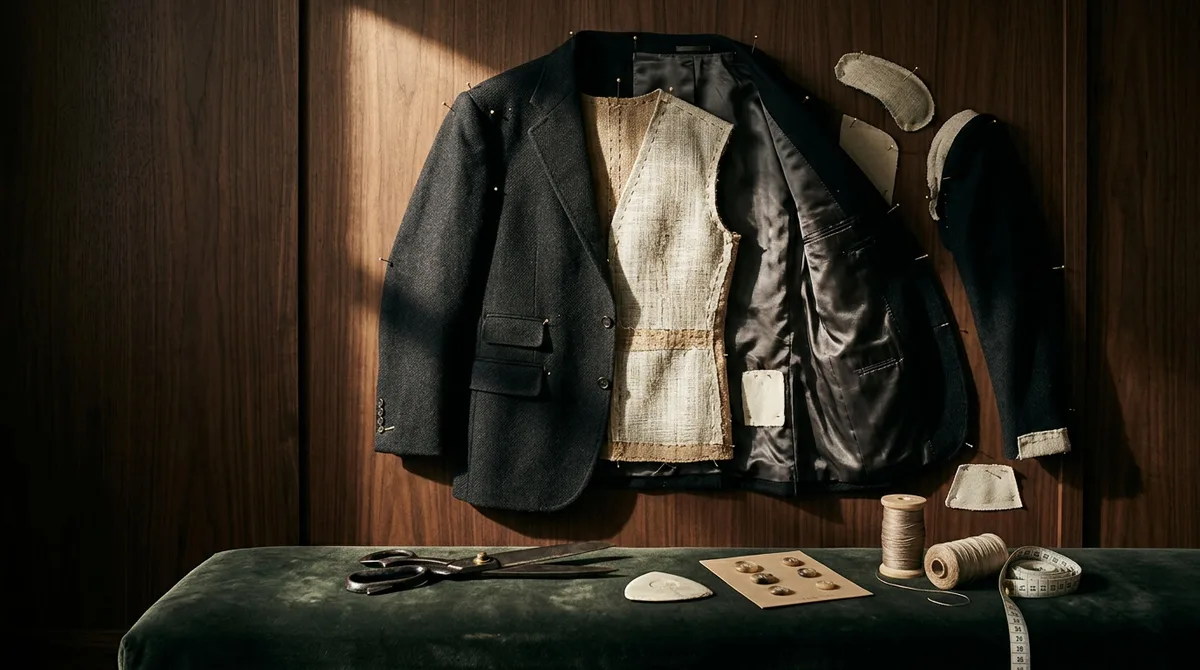
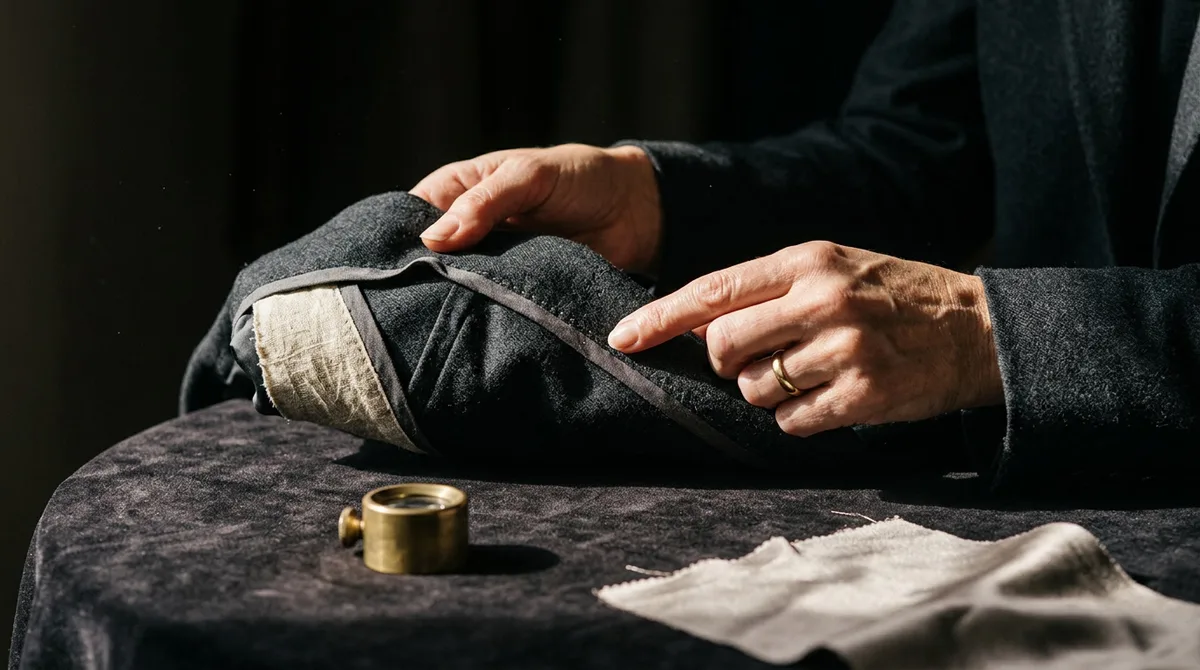
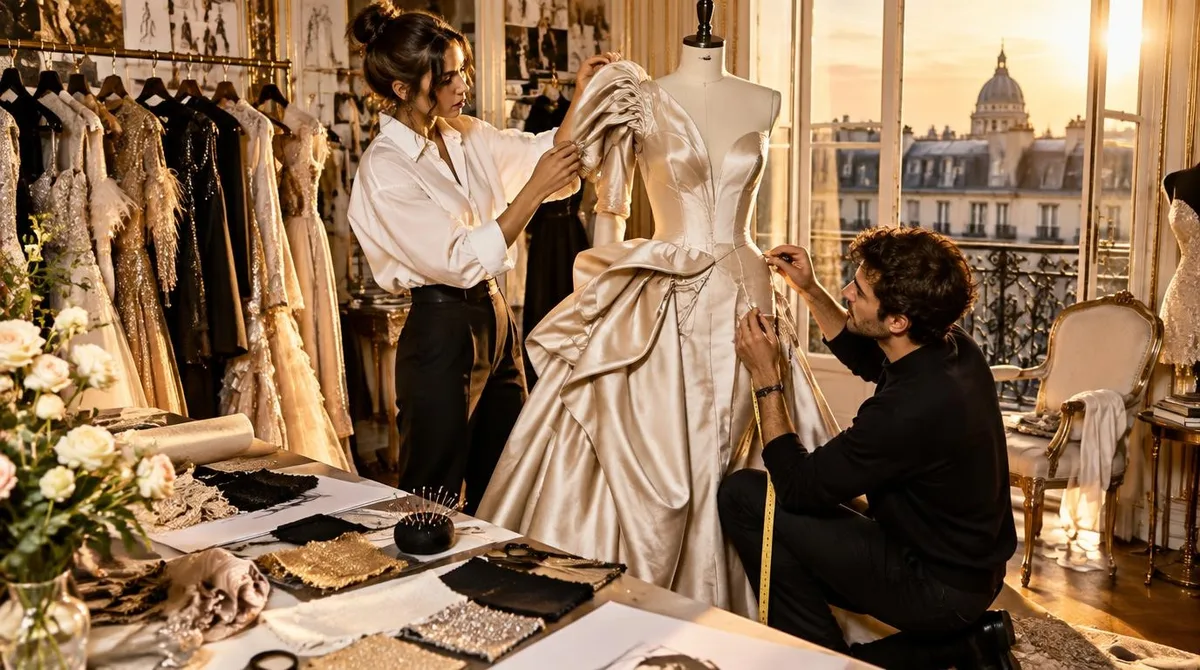
One side is the designer, who cuts the clothes. The other is the wardrobe stylist, a consultant who selects clothing for editorial features, music videos, concert performances and public appearances, per the profession's record, inside a team that includes the designer, the photographer and the hair and makeup leads. The trade even marks the border with costume design, the work of clothing characters on screen, per the same record.
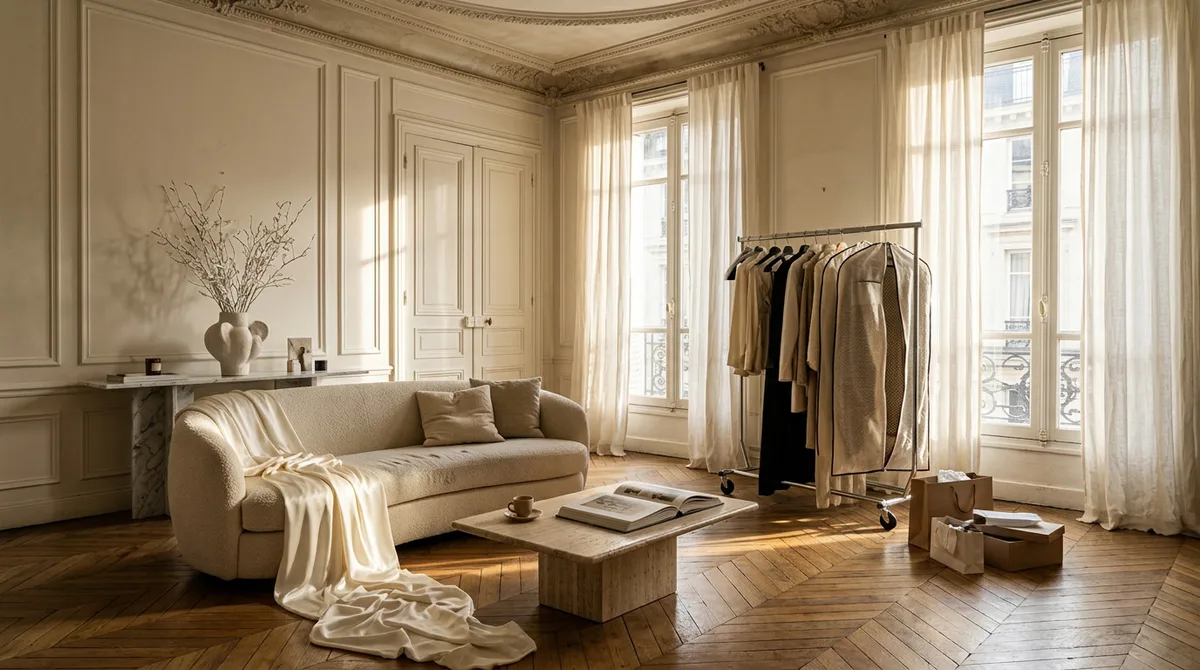
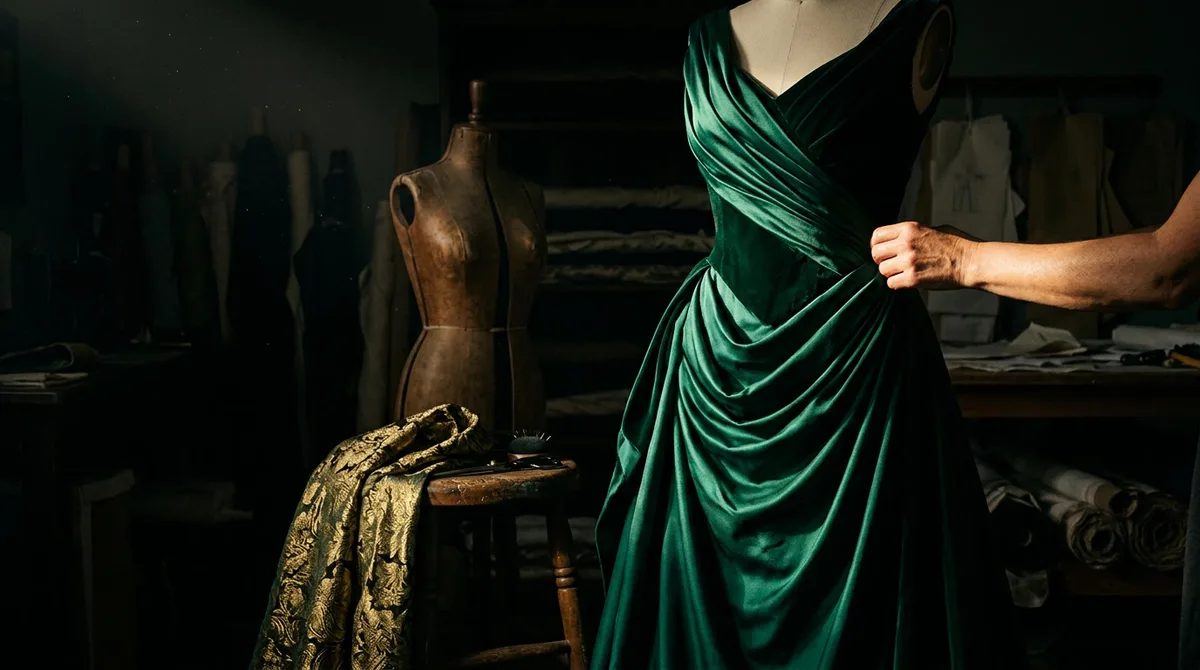
Access is the raw material. Stylists work primarily with designer samples, lent during the four to six months before retail sales begin, per the same record. High-level stylists may collaborate directly with designers to produce custom clothing for clients at awards shows, per the entry. The job also runs wider than the carpet: personal shopping and full wardrobe restructuring sit on its service list. That is the engine: cloth cut for one body and one night. For related coverage, see Fashion Home Design Crossover — From Furniture to Fashion: Designers Who Cross Over.
The context: the pairing predates the job title
The method is older than the credit. Hubert de Givenchy met Audrey Hepburn in 1953, during the shoot of Sabrina, per the designer's record, and went on to design much of her personal and professional wardrobe. The black dress she wore in Breakfast at Tiffany's was his, per the same account, and she became the first star to serve as the face of a fragrance, for his L'Interdit.
Read that pairing against the present and only the job titles change. Roach partnered with Céline Dion to style her for Couture Week in Paris in 2017, per the record, and became the first African-American stylist to cover The Hollywood Reporter's Stylist & Stars issue. The designer supplies the vision. The stylist decides which version of it meets the world.
The verdict: a system, not a favor economy
The read: the strongest pairings survive even the stylist's own exit. Roach announced his retirement from styling on Instagram in March 2023, per the stylist's record, citing burnout in an interview with The Cut that month, and stayed in the fitting room for Zendaya through the pause. In April 2025 he announced his return with a new client, per the same account.
The work kept scaling. The model has ordinary origins, too: Roach grew up in Chicago and ran a clothing boutique called Deliciously Vintage before moving to Los Angeles, where Zendaya became his first major client, per the record. In May 2026, per his announcement quoted there, he said he would style Ariana Grande's 2026 tour and was heading back to Los Angeles for fittings. The verdict this desk takes: the partnership is a production system. The house gets an interpretation of its clothes. The client gets a fit built to one body.
Conclusion: what to watch from the partnerships next
Watch the credits grow. The read: a stylist moving into costume design for a full tour, as Roach announced for 2026, pulls the wardrobe architect closer to the atelier, and the next award cycles will show whether the industry treats that as authorship. The Givenchy model never left; it keeps collecting new job titles. We will be watching the fittings calendar next. This connects to our earlier piece, Black Fashion Designers History: Black Fashion Designers Who Changed the Industry, and the Timeline That Left Them Off.