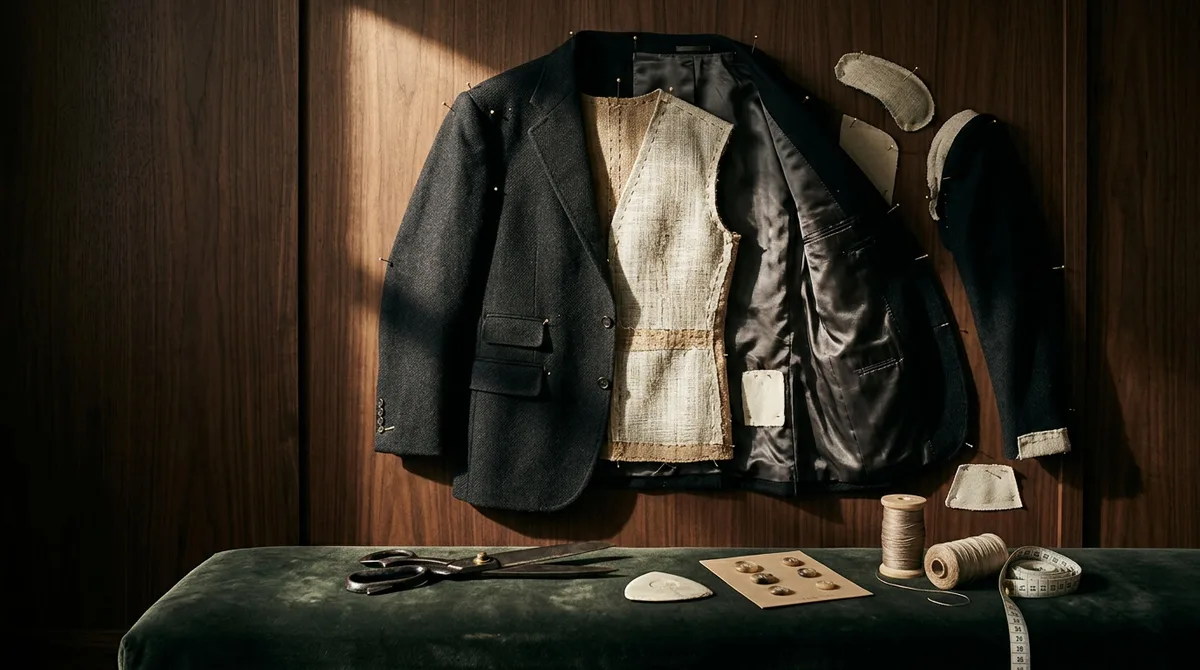
Designer clothing is expensive because the hours behind it are protected by rule, and the rule has a date. Since 1945, a French couture house has had to keep a Paris atelier with at least fifteen full-time staff members, per the criteria the encyclopedic record dates to that year. Those wages sit inside every tag at the top of the market.
The read up front: a designer price tag is a payroll document with a fabric order attached. Several cost floors sit under it, each one documented by the trade itself, and each one explains a different share of what you pay at the shelf.
The evidence: the atelier sets a floor
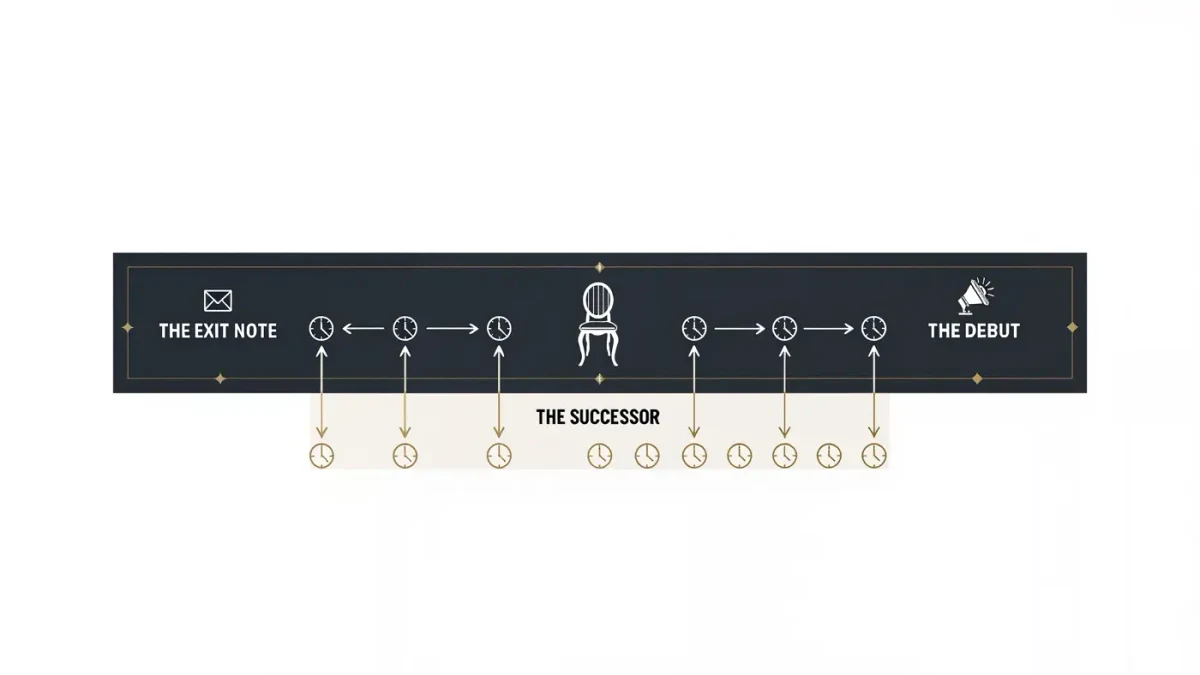
The rules that define haute couture in France read like a cost sheet. A house must design made-to-order for private clients, with one or more fittings, per the couture rules. It must employ at least fifteen full-time staff in a Paris atelier, plus twenty full-time technical people, and present at least fifty original designs every fashion season, in January and July. Nothing on that list is optional, and nothing on it is cheap.
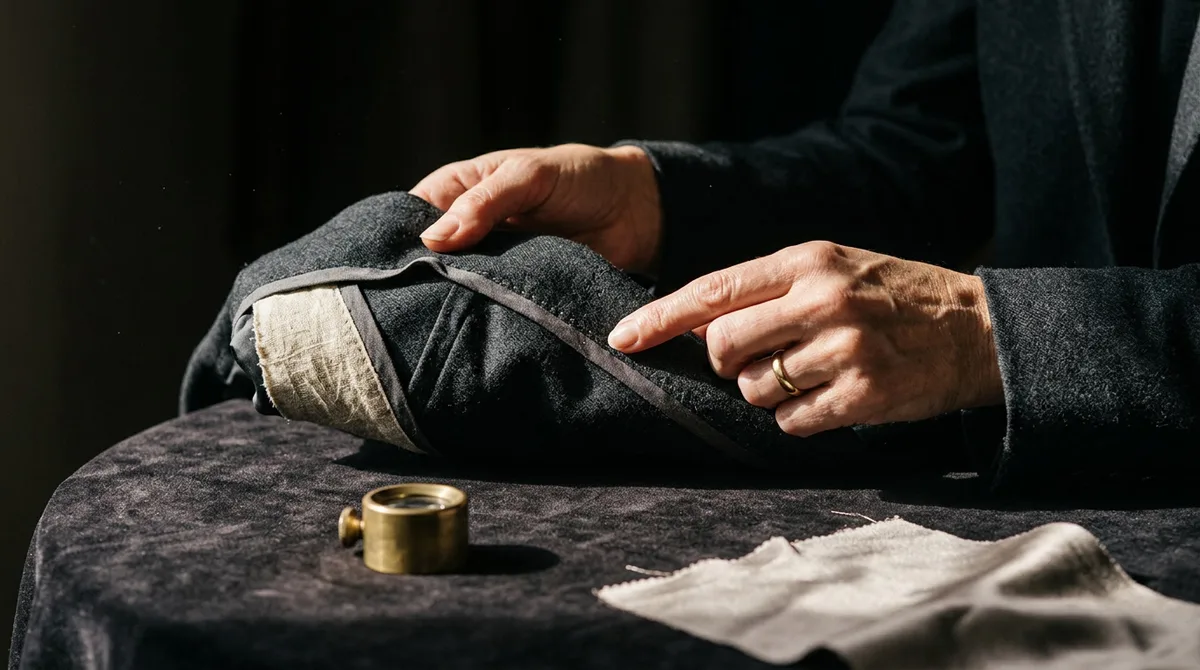
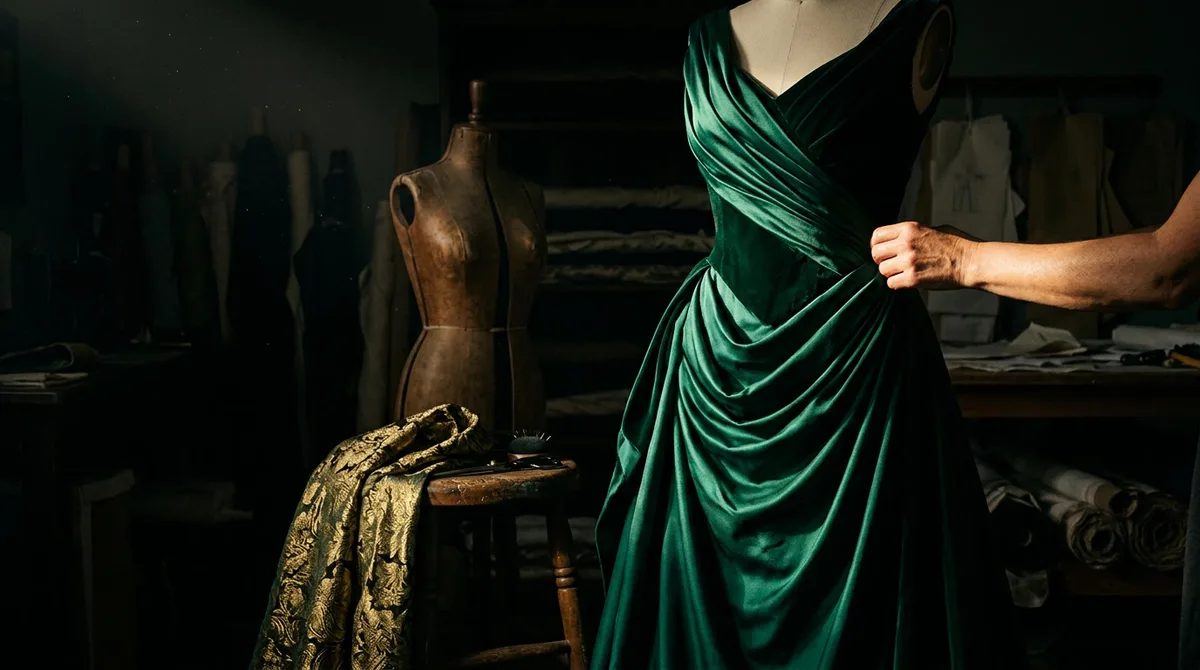
Fabric runs the same direction. Paris couture grew on high-quality, expensive and often unusual cloth, sewn with extreme attention to detail and finished by the most experienced sewers, often using time-consuming, hand-executed techniques, per the same account. Hours and materials come before anything else.
The evidence: ready-to-wear is engineered for cost
One floor down, the goal changes. Ready-to-wear is the term for garments sold in finished condition in standardized sizes, the opposite of couture, per the record. Designers use standard patterns, factory equipment and faster construction techniques to keep costs low, per the entry on the category, compared with a custom-sewn version of the same item.
So a rack price is not a failed couture price. It buys design work, tooling and speed instead of fittings. Some houses also sell pieces produced in limited numbers, a spot between the two models that prices accordingly, per the same entry. This connects to our earlier piece, Fashion House Economics: How Fashion Houses Make Money Beyond the Runway.
The evidence: price itself does work
The third floor is economics rather than sewing. Some luxury products behave as Veblen goods, per the record on the market: a higher price can raise perceived value so far that sales rise rather than fall. The same account lists a high price and limited supply among the drivers of what consumers read as luxury. Expensive is not a side effect. It is part of the product.
The read: the top floor pays for the building
The read: couture often costs more than it earns. Custom clothing is no longer the main source of income for the houses, per the record, and often costs much more than it earns through direct sales; it adds an aura that carries into ready-to-wear, shoes and perfume. Scale amplifies the pattern. The record puts LVMH, the largest luxury producer, at €42.6 billion in sales for 2017, across more than fifty brands, per the same text.
This is why the price conversation confuses people. The expensive floor is a stage, not a store. It manufactures meaning, and the floors below sell it.
How to use this at checkout
Service, then. Ask which floor a price belongs to before comparing tags. Made-to-measure pays for fittings by the hour, per the couture rules. A rack piece pays for design and a factory line, per the ready-to-wear entry. Neither machine is wrong. Each one just has to be priced honestly against itself.
Conclusion: the prices to watch next
Watch the two ends of the market drift. The read: if couture keeps trading aura for income, top prices will keep climbing while the middle competes on production speed, and the gap between a fitting and a rack becomes the whole story. The next round of fifty-design collections lands in January and July, per the season rhythm in the record, and that is where we will look first. For related coverage, see How Fashion Designers Work, From First Research to Final Muslin.