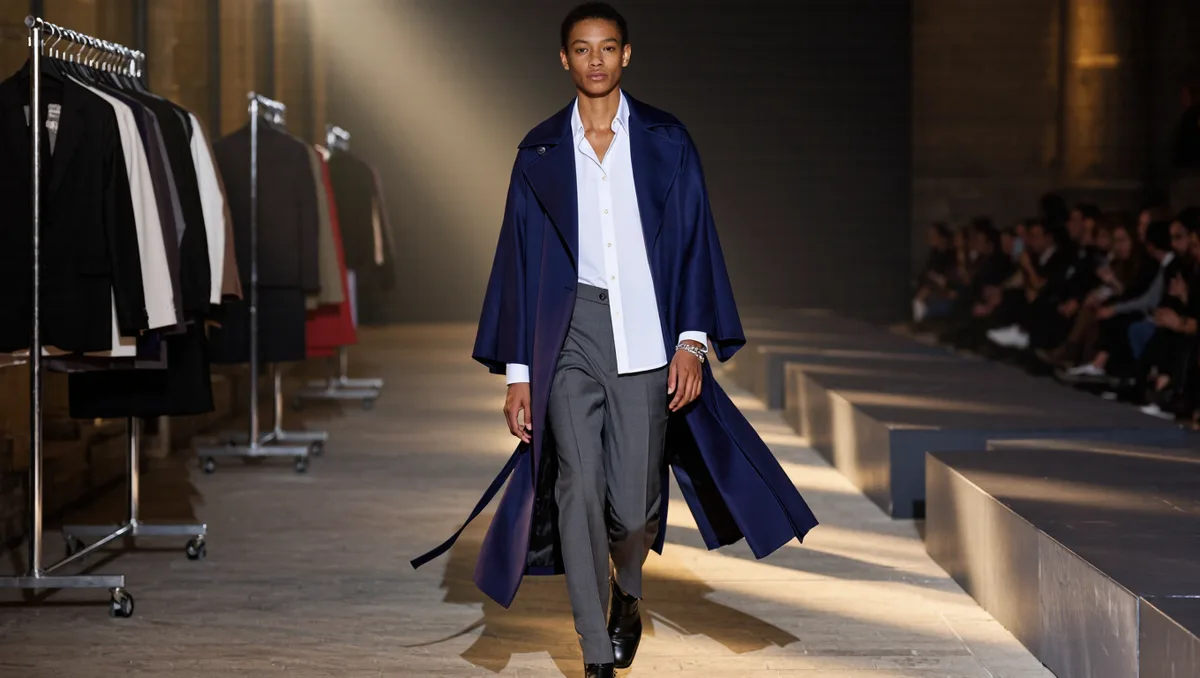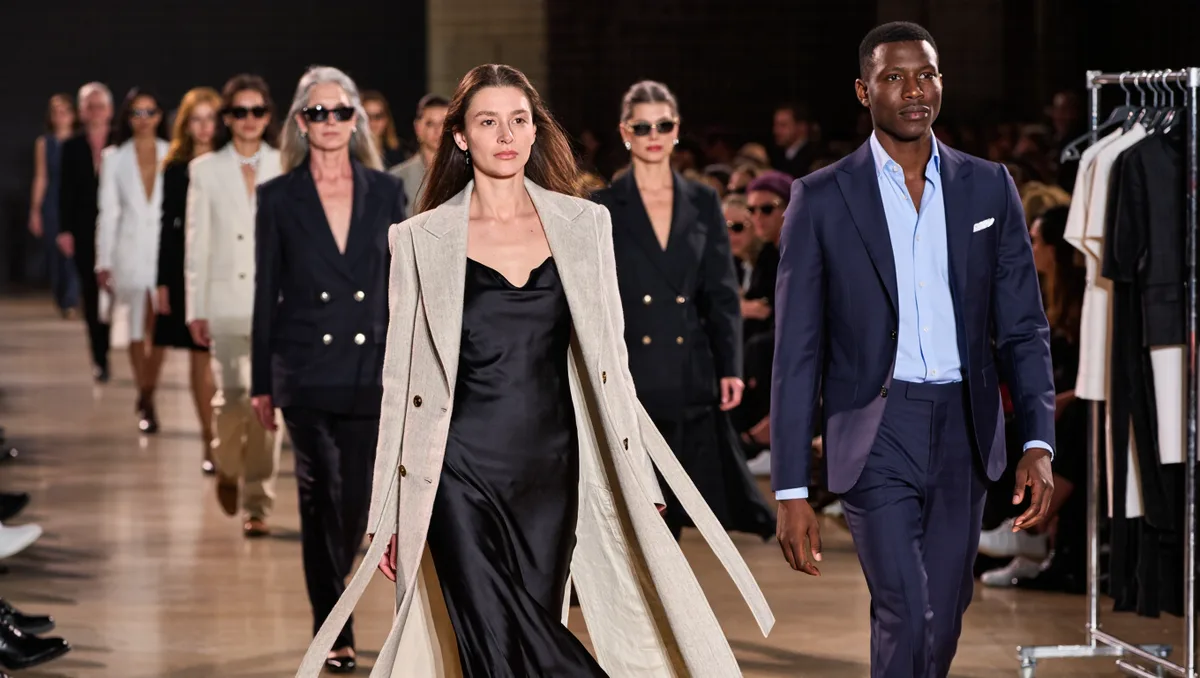
Ask how fashion designers work and the honest answer starts with research, not a sketchbook. Designers must anticipate what consumers will want by the time a garment reaches the market, per the standard encyclopedic account of the craft, because the gap between an idea and a shop floor runs long.
The rest is method. Research turns into references, references into drawings or draped cloth, and draped cloth into patterns and test garments, then final samples. The encyclopedic entry on fashion design lays out the full chain, and this guide walks it the way studios actually run it, from the first research file to the muslin that decides whether an idea becomes a look.
Where does a collection actually begin?
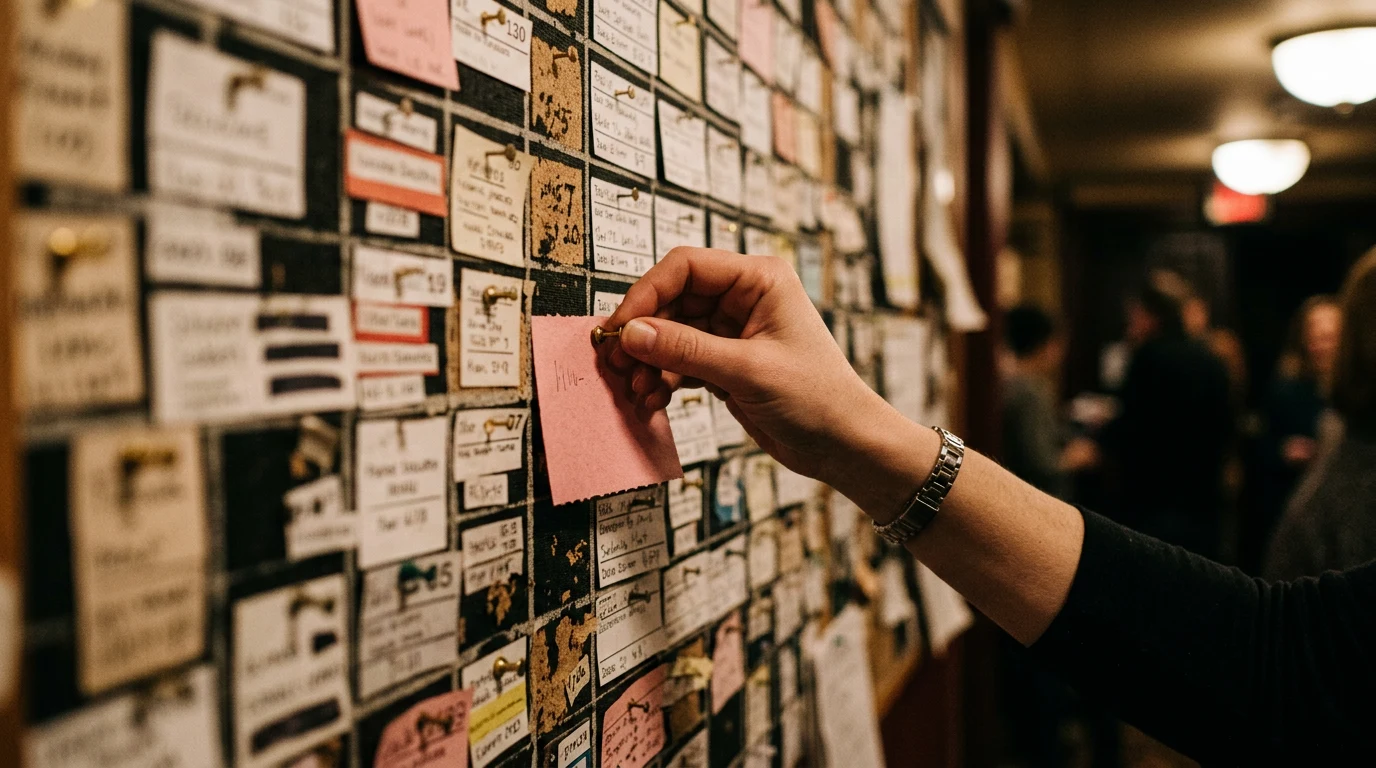
Before anything is drawn, the studio reads the market and the calendar. The encyclopedic account is blunt about it: designers try to make clothes that work as well as they please, and they weigh who is likely to wear a garment and in which situations it will be worn. Anticipation is a job requirement, not a mood. It shapes everything downstream, from fabric weight to price.
Where a designer sits also steers the research. Some work in-house for a single house, while freelancers sell designs straight to houses or shops. Others run labels of their own, per the same entry, and large brands usually put a design director over a team. An idea at that scale often belongs to a room rather than to one name. Readers following this should also see What Fashion Design School Actually Teaches, and What It Doesn't.
What happens between sketch and pattern?
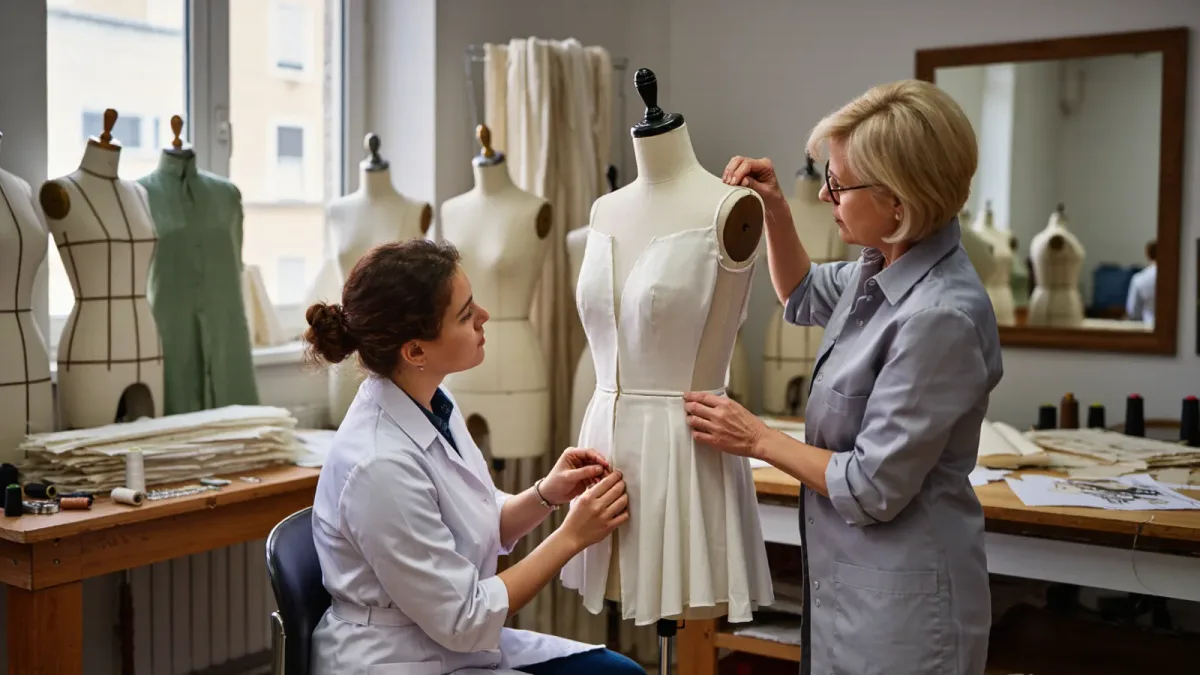
Two doors lead out of the research phase, and the entry names both. Some designers start with a vision in their head and draw it on paper or a screen. Others go straight to the dress form, draping fabric on a mannequin until a shape feels right.
Either way, garment design starts with patternmaking, and the first object is a sloper, a base pattern cut to the size the studio works with. Dart manipulation moves a dart without changing the fit, while added fullness widens a pattern to change the frame. Contouring pulls cloth closer at the bust or shoulder, per the entry.
Why does the toile matter so much?
The unglamorous hero of every collection is the toile, a test version of a garment sewn from calico to check a pattern, per the encyclopedic record. In the United States the same objects are called muslins. A studio may cut several before a design is called finished, because cloth on a dress form behaves differently from cloth on a person.
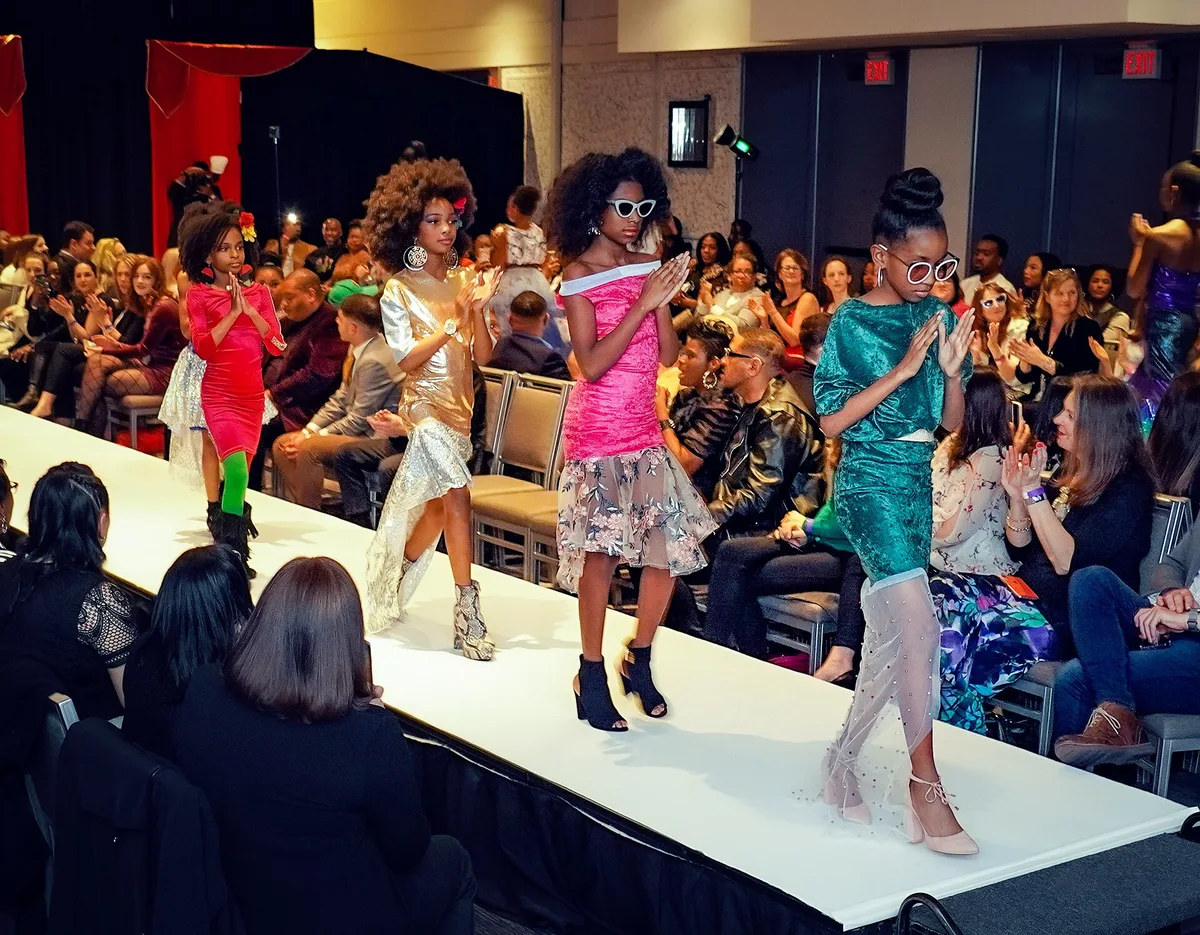
Once the fit reads true, a professional pattern maker cuts the finished working pattern, on paper or in software, per the entry. A sample garment goes on a model for its first real test, and only then does a look earn its place in the book.
How is technology changing the process?
The loop from idea to sample keeps tightening. Iris van Herpen, the Dutch designer, put 3D printing into her Crystallization collection, per the encyclopedic entry on the discipline. Software now carries more of the middle stage: designers prototype with artificial intelligence and virtual reality, and 3D models let studios sample with suppliers before production starts. The read: research, once a wall of swatches and photocopies, is becoming a shared digital file the whole atelier can open.
Conclusion: what to watch in the design process next
Watch the sampling stage, because that is where the pressure sits. If 3D sampling keeps replacing physical toiles, the calendar between research and runway could shorten again, and the first fitting a garment gets might happen on a screen. The craft stays the same underneath: anticipate the wearer, draw or drape, test in cheap cloth, then commit. We will be watching how many houses let a digital sample give the final yes. We covered a connected angle in How Fashion Houses Make Money Beyond the Runway.