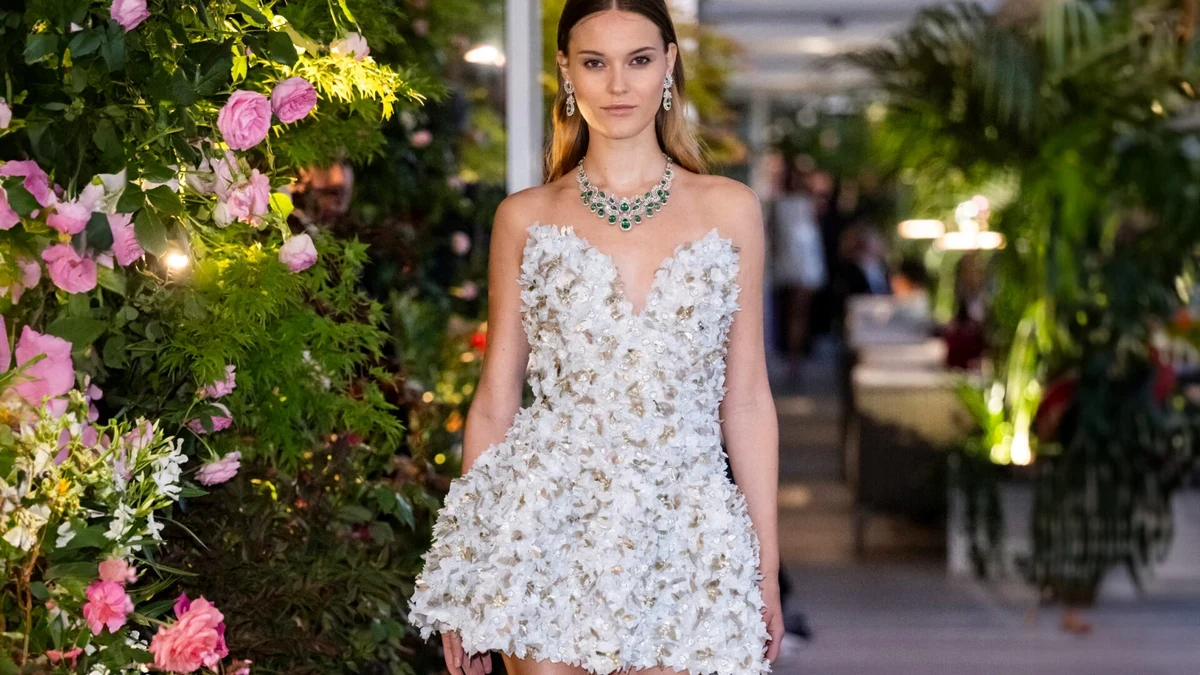
A runway show looks like the whole business. Lights, music, famous faces in the front row, and a line of clothes that may never reach a store. It is easy to assume the show itself is where a house earns. In truth, the show is closer to an advertisement, and the real money is made elsewhere.
Understanding that split makes the whole industry easier to read. Each part of a fashion house has a different job. Some parts sell image. Others quietly sell the volume that pays the bills.
Couture Sells Prestige, Not Profit
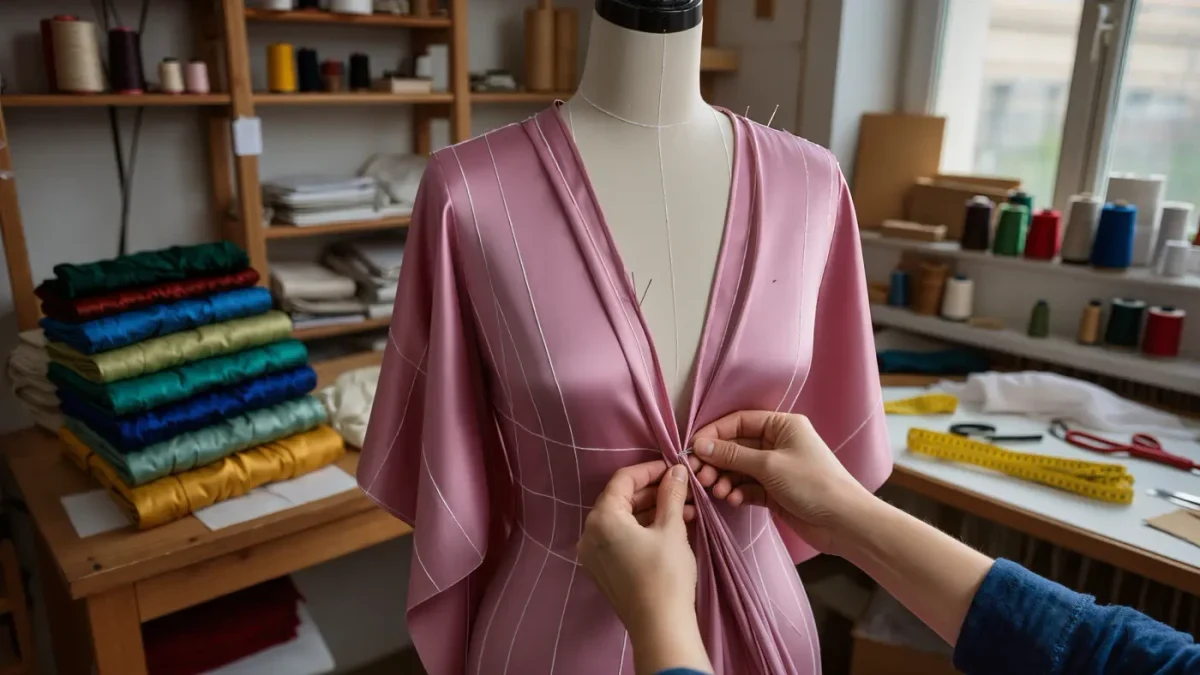
At the very top sits haute couture. Each garment is made to order for one client, from costly fabric, with careful hand work and endless fittings. Look and fit matter more than the cost of making them. This connects to our earlier piece, Jean Paul Gaultier: The Showman Who Made French Street Couture.
Here is the surprise: because each piece costs so much to make, haute couture brings a house little direct profit. What it buys instead is prestige and publicity. The atelier works like a stage. It proves the house can do things no one else can, and that story makes everything else the house sells feel worth more.
Ready-to-Wear Carries the Flag
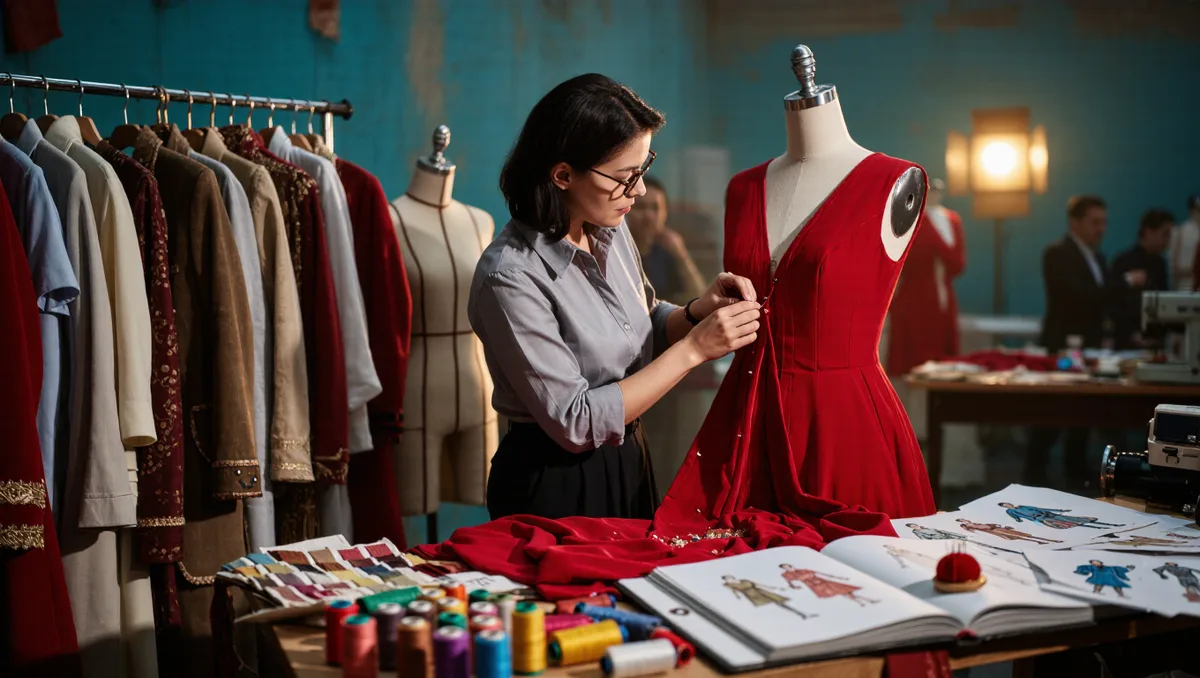
One step down is ready-to-wear, the line most people picture when they think of a designer label. These clothes are not made for single clients, but great care still goes into fabric and cut. They are made in small quantities to guarantee exclusivity, so they stay rather expensive.
These are the collections presented each season during fashion week. The show may look like art, but the order book behind it is very real. Buyers from stores around the world choose pieces, and those orders turn the runway into revenue.
The Mass Market Pays the Bills
Below that sits the engine room. The fashion industry relies heavily on mass-market sales, where garments are produced in larger volumes at prices far below couture. Cheaper fabrics and simpler techniques keep costs down, so the end product sells for much less. Most designers in fact work for apparel makers, creating lines for a broad market rather than for one client. For related coverage, see The Most Influential Fashion Designers of All Time, Ranked.
A famous name lends its aura to this layer. The customer who will never buy a couture gown can still buy the label. That wide reach is what turns a celebrated house into a durable business.
Buying Direct: The Boutique Boom
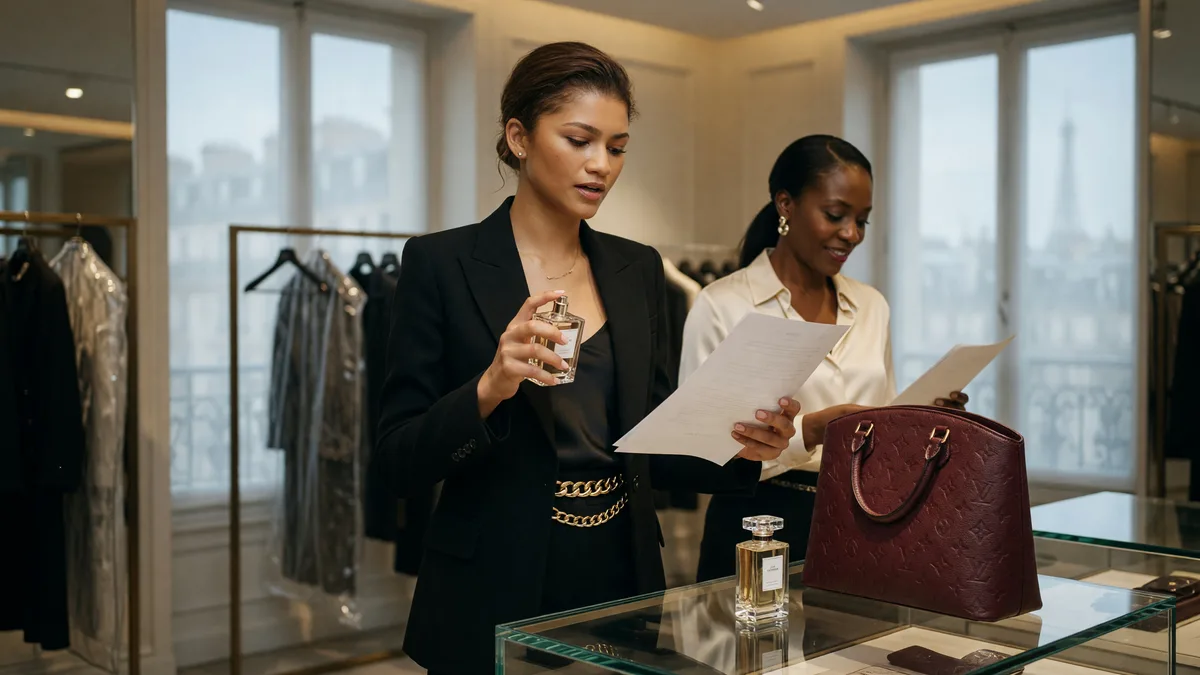
Retail is the other big lever. In recent years many luxury brands have put money into their own boutiques rather than relying on wholesalers like department stores. Selling direct keeps more of the margin in the house and gives full control over how the brand feels.
The boutique ladder has rungs. Flagships are grand stores in major cities, stocked with wide ranges and staffed by large teams. Secondary boutiques serve regular clients in more locations. Seasonal boutiques even follow wealthy travelers to resort towns, opening only for the high season.
Collaborations and the Wider Net
Finally, there is the collaboration. Luxury houses now partner with unexpected names from other worlds, from streetwear labels to video games. These limited edition collections create buzz that ordinary ads cannot buy. They pull in younger shoppers who meet the brand through a product they already love.
This is part of a wider push sometimes called accessible luxury: keeping the brand prestigious while widening who can afford a piece of it. Done well, it feeds the top of the house by feeding the bottom. Done poorly, it dilutes the very name the whole business rests on.
Conclusion
A fashion house is a layered machine. Couture supplies the myth, ready-to-wear supplies the orders, the mass market supplies the volume, and boutiques and collaborations supply the reach. The runway lights the whole thing up. The money, though, is collected long after the lights go down.