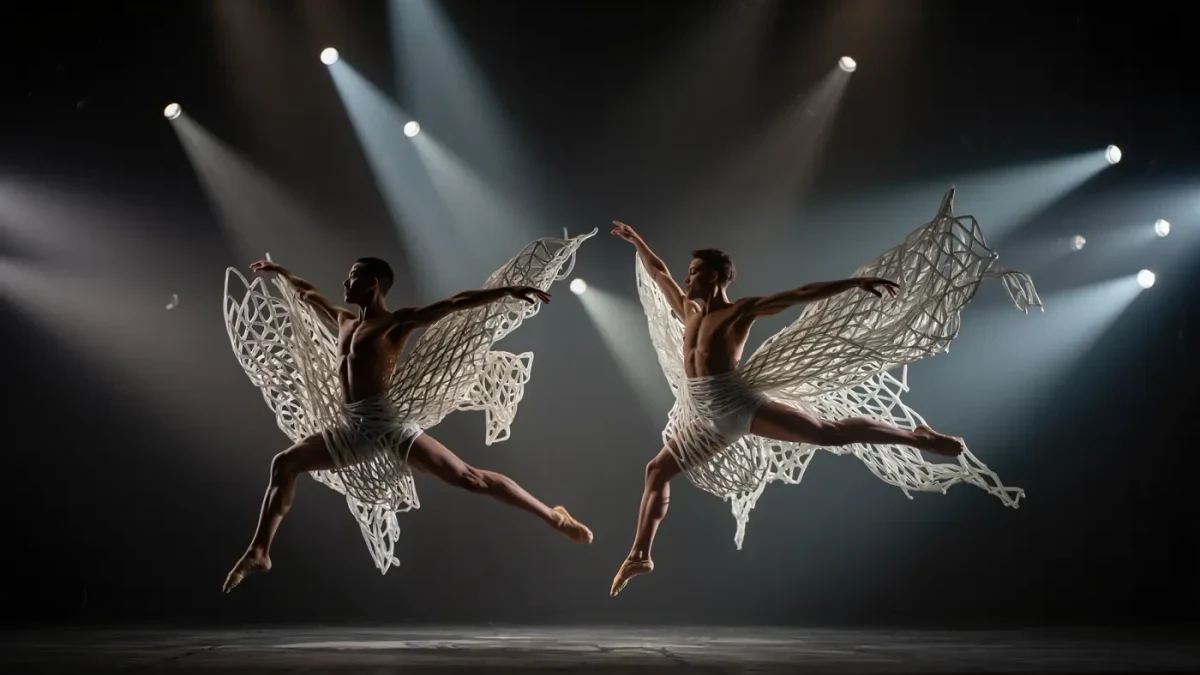
Iris van Herpen’s gowns do not look sewn; they look grown. Since founding her house in Amsterdam in 2007, the Dutch designer has 3D-printed dresses, laser-cut acrylic into standing water and pleated fabric with the patience of a scientist — work that earned her guest-member status on the Paris haute couture calendar, the most exclusive stage in Designers.
How did she start in fashion?
Van Herpen studied at ArtEZ Institute of the Arts in Arnhem, graduating in 2006, and interned with Alexander McQueen in London and with the Dutch textile artist Claudy Jongstra — two houses that shaped the argument her own work now makes: craft and technology are not opposites but partners. Her first collection, presented in Amsterdam in 2007, already moved differently from anything on the calendar.
The breakthrough came in 2010 with the Crystallization collection, built around a dress printed in a single piece — credited as the first 3D-printed gown shown on a runway. In July 2011 she was invited as a guest member of the Chambre Syndicale de la Haute Couture, the Paris body that guards the couture label, and has shown on that calendar since.
What is the van Herpen signature?
Each collection begins with a concept researched with scientists — cymatics, solar power, deep-sea biology — and ends in garments that behave like objects from another element. The techniques range from hand-pleating to laser-cutting to magnetic construction, and the atelier treats a 3D printer with the same seriousness as a needle and thread.
The collaborations are part of the method: dresses made with the artist Anthony Howe’s kinetic sculptures, a gown worn underwater, stage costumes designed with Björk. The museums followed — the Met, the Groninger Museum, the High Museum of Art in Atlanta, which toured Sculpting the Senses in 2024–25.
What is the house doing now?
The haute couture calendar remains the center: two collections a year in Paris, each with a research phase longer than the making. The read: van Herpen is building the case that couture’s future is not nostalgia but a laboratory — a place where the métier advances because the tools advance with it.
What does the couture process look like?
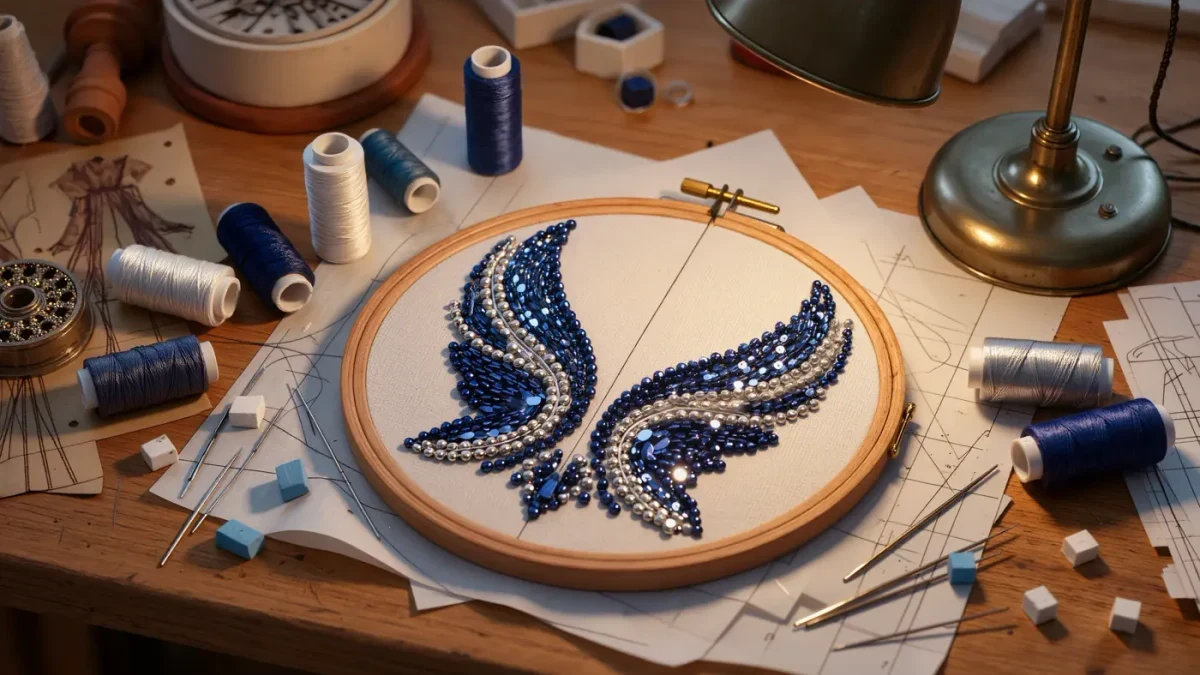
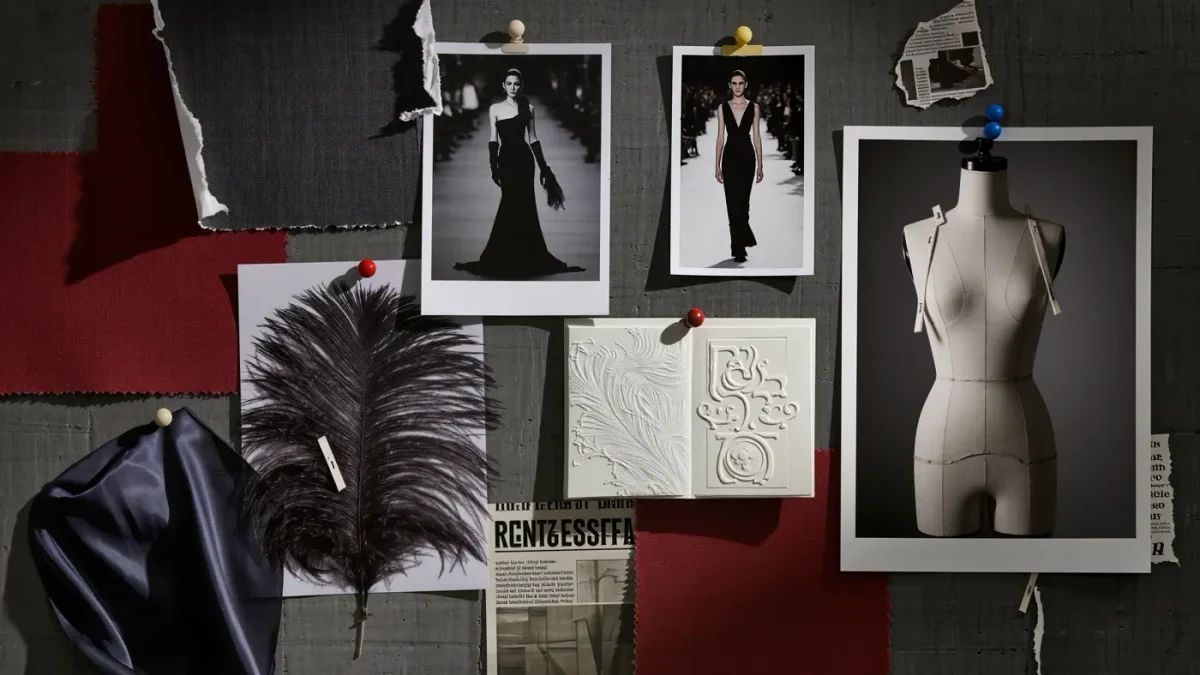
Each collection starts with a research phase that runs months — cymatics, the physics of sound made visible in water; solar power, translated into dresses that catch and refract light; deep-sea biology, translated into gowns that move like organisms under pressure. The scientific collaborators are credited in the collection notes, and the atelier’s craftsmen — pleaters, embroiderers, 3D-printing technicians — work alongside the designers from the first samples.
The techniques the house has developed include magnetic construction, in which garments are assembled by the repulsion of magnets embedded in the fabric; laser-cutting that produces lace from silicone; and the 3D printing that made the 2010 Crystallization dress a first on the runway. The museum world responded: the Met, the Groninger Museum and the High Museum of Art in Atlanta hold her garments, and the touring exhibition Sculpting the Senses has traveled from Paris to Doha to Dallas.
What is the house’s business model?
The house remains privately held, produces two haute couture collections a year in Paris, and sells through a small number of appointments and the world’s couture clients — a structure that keeps the atelier’s research pace unhurried. The read: van Herpen’s case is that couture can innovate without scaling, that the métier advances when the tools advance with it, and that the future of the craft belongs to houses willing to build their own laboratory.
What are the house’s collections made of?
The materials read like a research paper: silicone cast into lace, magnetic repulsion used to assemble garments without seams, metal foil bonded to organza, and the 3D printing that produced the Crystallization dress in a single piece. The collaborations carry the same method: the artist Anthony Howe’s kinetic sculptures became the armature of a dress that moved without the wearer; the composer Salvatore Sciarrino’s work informed a collection’s acoustics; the biologist-artist duo Coral & Reef informed the coral-branch structures of a couture gown.
The atelier treats each technique as a craft to be mastered, not a gimmick: the 3D printing is calibrated to the flexibility a body needs, and the laser-cutting produces fabric that behaves like silk. The result is garments that function as clothing while looking like nothing the industry has produced before — and the museums collected them before the industry caught up.
The read: van Herpen’s case is that innovation need not be fast fashion’s territory. At couture level, the métier advances because the tools advance with it.
The collaborations extend the laboratory logic: the composer Salvatore Sciarrino’s work informed a collection built around acoustics; the kinetic sculptures of Anthony Howe became the armature of dresses that moved without the wearer; and the 2020s collections have worked with biologists on garments grown from living organisms — each project documented with the collaborators named, the techniques explained, and the craft credited to the atelier’s hands alongside the machines.
The read: the house’s case is that couture’s future is not a return to the past but a laboratory where the métier advances because the tools advance with it — and the museums have already accepted the argument.
Frequently asked questions
What is Iris van Herpen famous for? She is famous for pioneering 3D-printed haute couture and for sculptural collections that combine traditional handcraft with scientific and technological research.
Is Iris van Herpen part of Paris couture week? Yes. She holds guest-member status on the official haute couture calendar, presenting collections in Paris each season.
Where can her work be seen? Her garments are held in museum collections including the Metropolitan Museum of Art in New York and the Groninger Museum, and travel in touring exhibitions such as Sculpting the Senses.