Fashion law is the set of rules that governs how clothes get named, made, and sold. Intellectual property, business, and finance sit at its core, with labor, trade, modeling, and safety questions folded around them, per the standard reference entry on fashion law. Clothing laws vary by country, which is why one garment can face different rules across a single supply chain, per the same record. When a legal story crosses your feed, it almost always belongs to one of those lanes. Learning the lanes is the whole skill.
The read: these stories sound distant, yet they decide what you can buy, who made it, and how safe it is. This desk reads the docket so you can read the label.
The evidence
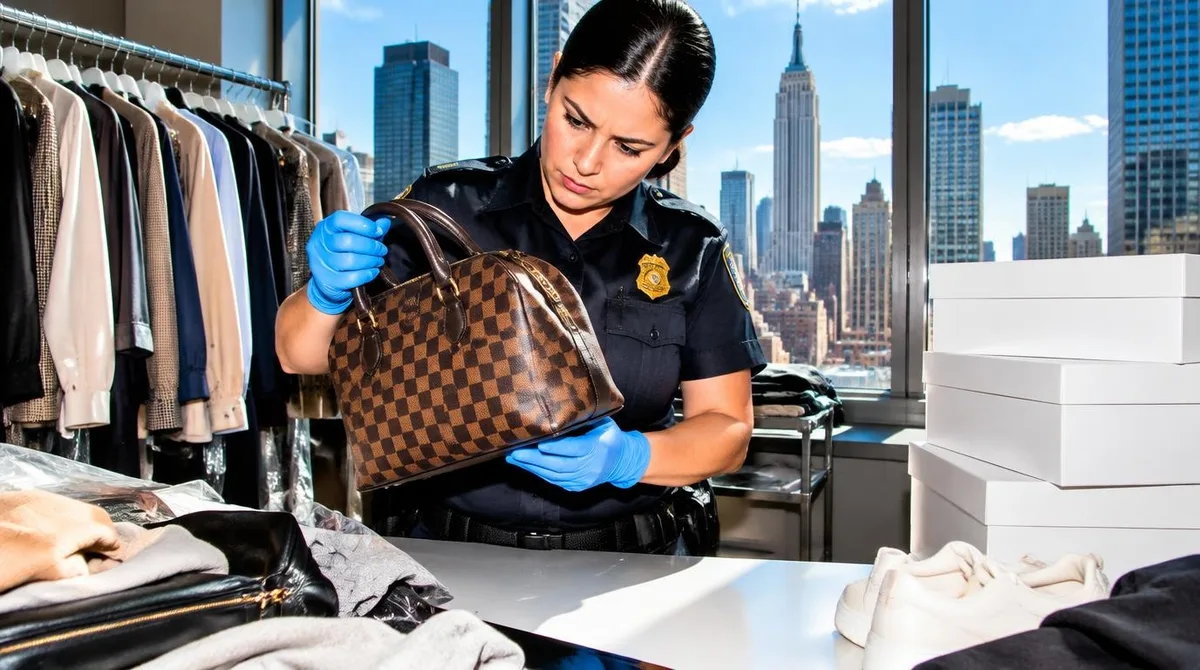
Start with trademarks, the lane that fills most of the fashion law news. The field’s core disputes cover trademark infringement and counterfeit goods, alongside debates over copyright’s scope that have reached the US Congress, per the same record. A brand’s name and marks carry the value, so the fights land in court rather than at the hemline. The instinct to regulate dress is old: sumptuary laws once limited who could wear certain garments, per the record. The modern version argues over logos instead of rank. We covered a connected angle in Color Is Back, and Fashion Is Finally Letting Clothes Have a Pulse Again.
Next, worker safety. On April 24, 2013, the Rana Plaza building near Dhaka collapsed, and the confirmed death toll reached 1,134, per the historical record of the Rana Plaza collapse. In the aftermath, more than 200 global brands and retailers partnered with global trade unions to establish the Accord on Fire and Building Safety in Bangladesh, an independent and legally binding agreement, per the same record. The deal mattered because production sits inside the field too, covering worker safety and labor practices wherever the sewing happens.
Then, models’ rights. Regulators have moved on working conditions, from weight rules in Madrid, Milan, and Israel to New York’s statute that brought underage models under the state’s child labor law, per the field’s record.
The read
Three lanes, one pattern: the law arrives after the harm, and the industry adjusts in public. Rana Plaza changed no hemline, yet it rewrote the safety paperwork behind the seam. Trademark cases rarely touch the cut of a jacket; they decide whose name sits on it. The read: fashion law grows where money meets risk, and the risk rarely shows on the runway. That is the lens to carry into every future headline. For related coverage, see How to Read a Fashion Week Runway Review Like an Insider.
What it means for your closet
A counterfeit is not a bargain; it is the exact product the trademark system exists to catch, so treat a suspicious price as information. Labels carry legal weight too. Labeling requirements and deceptive advertising sit inside the field, per the public record, which is why a care label reads like a contract. It is one. The retail lane reaches your cart as well. Consumer data privacy and credit card security sit inside the field, per the record, so even a checkout page lives under fashion law’s roof. And ethics claims now carry exposure of their own: in 2024, Gucci faced a lawsuit over its sourcing of exotic animal skins following an investigation by PETA, per the public record.
Conclusion: where the docket goes next
The field is young. Susan Scafidi taught its first course at Fordham Law School in 2006, and the Fashion Law Institute launched in 2010 with support from Diane von Furstenberg and the CFDA, per the record. A discipline that young writes many more headlines. Watch sustainability claims first, because greenwashing sits on the field’s own agenda, then model protection, which looks set to spread from city rules to national ones. If the past decade is any guide, the next headline arrives the way the last ones did: after the harm, with the paperwork behind it. We’ll be reading the docket so your closet stays ahead of it.