Learning how to read a runway show starts with one idea: a fashion week show is not a parade of pretty clothes. It is a short, deliberate argument about what a brand wants to be next. Every choice, from who opens the show to how the last look is styled, is part of that argument.
The good news is that you do not need a front-row seat to see it. Most houses now stream their shows, and the signals insiders watch for are visible on a laptop. Dictionary.com defines reading broadly as interpreting the meaning of signs and gestures by observation, not just written words. That is exactly the skill here. A runway is a set of signs, and once you know the vocabulary, you can interpret it yourself.
What is the show actually saying?
Start with the collection as a whole, not the individual outfits. Ask one question: what idea holds these looks together? Sometimes it is a fabric that repeats. Sometimes it is a color family, a silhouette, or a mood. Designers usually build a collection around a small number of themes, then show variations on each one.
Count the repeats as you watch. If six looks share the same sharp shoulder or the same sheer skirt, that is the designer telling you what matters this season. A look that appears once is an experiment. A look that appears five times is the point.
The order of the looks matters too. The opening look sets the tone and is often the simplest statement of the theme. The closing look, sometimes called the finale or the bride in couture, is the exclamation mark. Between those two, watch for a shift in energy halfway through. Many shows build a story: daywear first, evening last, with the boldest ideas in the middle.
What does the casting tell you?
Casting is one of the loudest signals in the room, and it is easy to miss because it happens without words. Who walks tells you who the brand imagines wearing its clothes. A wide range of ages, sizes and backgrounds on one runway is a deliberate choice, not an accident. So is a cast that all looks alike.
Watch the opening and closing models especially. Houses often give those slots to models who embody the mood of the season, and booking a famous face for the finale is a message about ambition. If you want to go deeper on who sits where while all this happens, our front row explainer covers the seating chart and what it signals. Readers following this should also see Fashion Week Front Row — Front Row Confidential: Who Sits Where and Why.
Walk style counts as casting information too. A stomping, aggressive walk reads differently from a slow, gliding one. Stylists and casting directors choreograph that energy on purpose, because the walk teaches the audience how the clothes should feel in motion.
Why does styling matter more than the clothes sometimes?
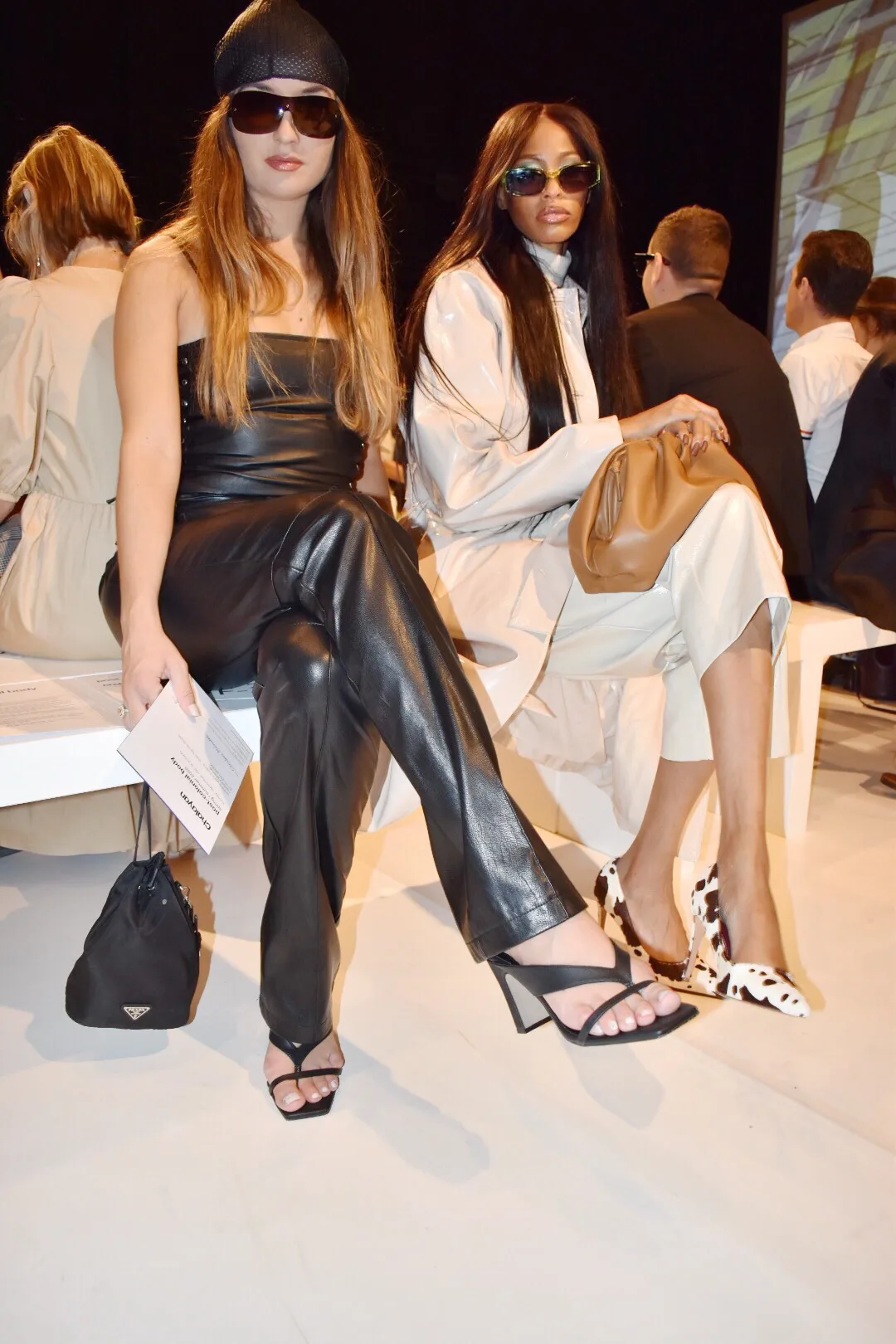
Styling is how a garment becomes an outfit, and it is where much of the meaning lives. The same coat reads as office wear with trousers and a loafer, and as something stranger with bare legs and a heeled mule. When you watch a show, separate the garment from the styling choices around it: the shoes, the bag, the jewelry, the tights, the hair, the makeup.
Then ask what the styling is doing. Is it making the clothes look wearable, or is it pushing them somewhere odd on purpose? Both are valid strategies. Wearable styling says: this is for sale and for life. Strange styling says: look at us, we have ideas. Neither is better. They are different sentences in the same argument.
One practical trick: pick one look you would actually wear and one you never would. Then figure out what links them. That link, more often than not, is the theme of the collection.
What is the set and the music doing?
Set design and sound are the scenery of the argument. A show staged in a raw industrial space is making a different claim than one staged in a gilded salon, even if the clothes were swapped between them. The venue, the runway shape, the lighting and the soundtrack all frame how you should feel about the garments.
Music is the easiest one to start with. Fast, hard music pushes urgency. A single piano or a stretch of near-silence asks you to look closer. When the sound changes mid-show, the collection usually changes with it. Treat the soundtrack as punctuation.
Lighting works the same way. Bright, even light says: inspect the craft. Dramatic shadows say: feel the mood first, details second. None of this is accidental. Show producers plan these elements down to the second, and our hour-by-hour look at a fashion show producer's day shows how much planning one runway takes.
How do you spot a collection's narrative?
Most strong shows have a story arc, and you can trace it with three questions.
- Where does it start? The first few looks establish the base: the fabrics, the palette, the attitude.
- Where does it go? The middle looks develop the idea, often getting bolder or more detailed.
- Where does it land? The final looks resolve it, usually with the most memorable pieces, the ones destined for magazine covers and red carpets.
If the arc feels coherent, the designer had a clear thesis. If it feels like a grab bag, the house may be playing it safe commercially or searching for direction. That is a real observation, not a flaw, and it is often the most interesting thing about a show.
Context sharpens the read. A debut collection from a new creative director is watched differently from an established house's mid-stride season. Everyone in the industry is asking whether the new person respects the archive or breaks with it. Our piece on the new guard at Chanel, Dior and Balenciaga shows how high those stakes run, and our Balmain coverage traced exactly that tension around a debut. We covered a connected angle in Chanel, Dior, Balenciaga: The New Guard Is Learning How to Speak Heritage.
What this means for how you watch
Here is a simple routine for your next fashion week stream. Watch once for pleasure, with no notes. Then watch again, or scroll the lookbook afterward, and answer four questions: What repeats? Who walks? How is it styled? Where does the story end?
That is it. Those four questions are the whole skill of learning how to read a runway show, and they work on any show, from a giant heritage house to a graduate showcase. The more shows you watch this way, the faster the patterns appear, and soon you will spot a trend forming before the stores do.
One caution as you practice: a show is a message, not a verdict. Some of the best-loved collections of the last few decades were panned on first view, and some runway sensations never sold a coat. Your read is your read. Hold it lightly, compare notes, and enjoy the argument.
When the next season's calendar fills up, check our events page for what is streaming and when, and keep a notebook handy. The industry reads runways for a living. With a little practice, so can you.