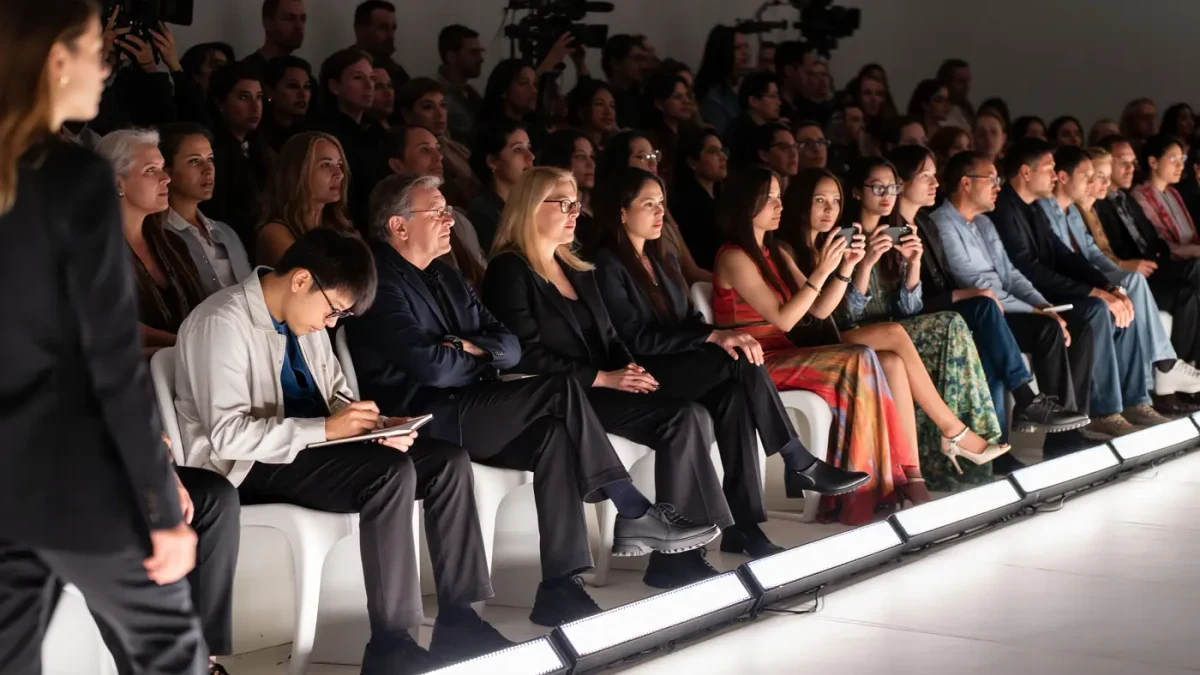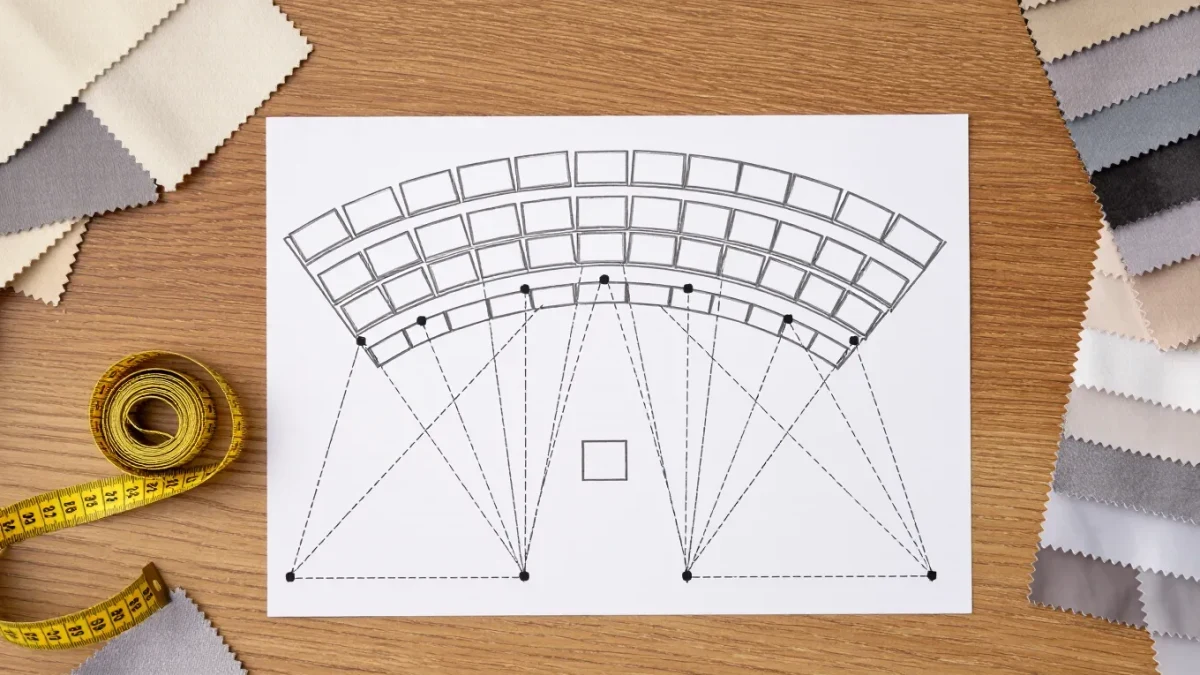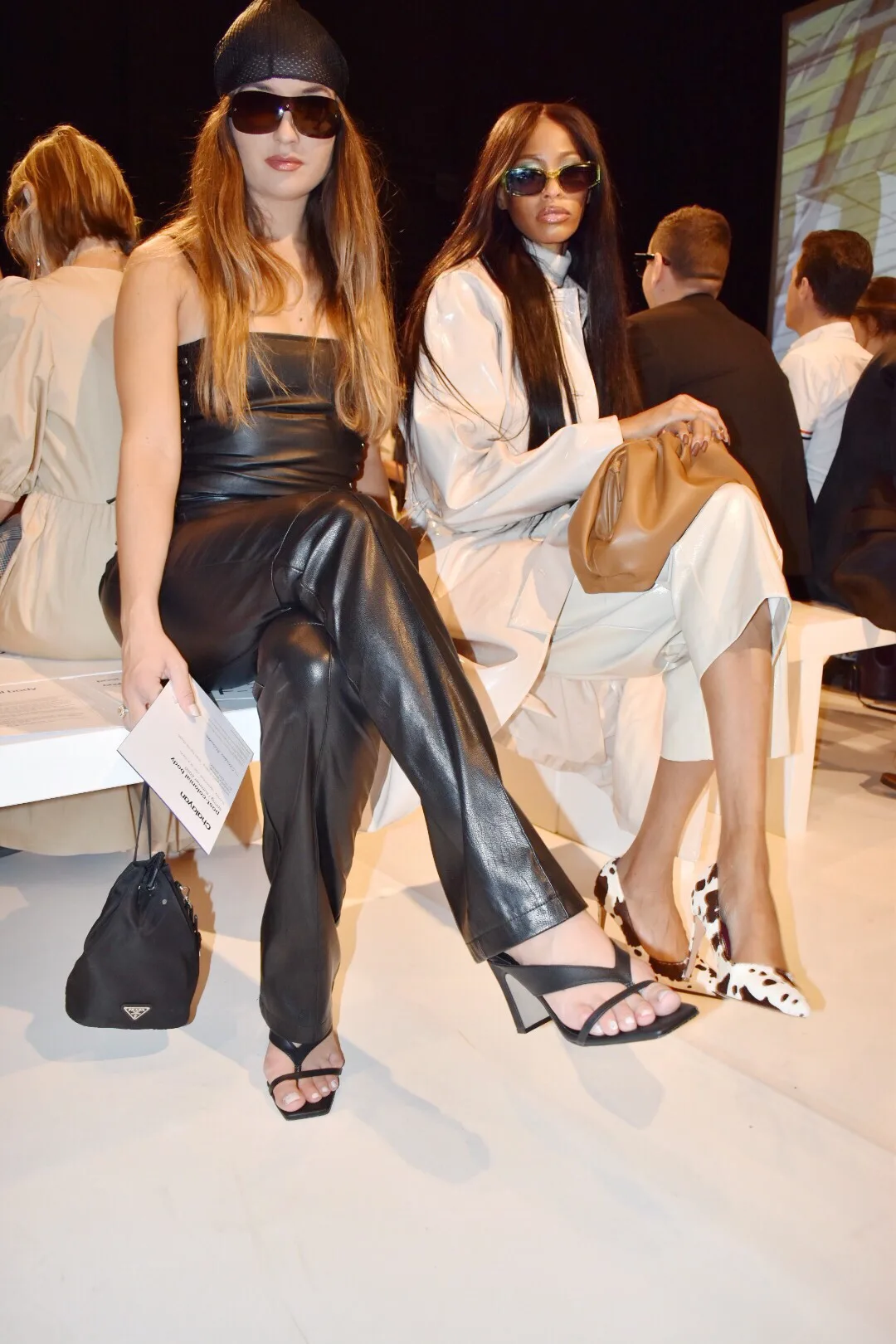
The fashion week front row is not a seating arrangement. It is a map of who matters to a house right now, drawn in chairs. Editors sit where the clothes will be photographed over their shoulders. Retailers sit where they can see the stitching. Celebrities sit where the cameras can see both them and the hemline. Everyone else fills in around that logic.
Reading a seating chart is a skill, and it is learnable. Once you know the unwritten rules, a runway photo becomes a diagram of the industry's current alliances, anxieties, and bets. The word itself tells you something: per Merriam-Webster, a "front" can mean an external and often feigned appearance — and the front row is exactly that, a public performance of importance staged for the lenses across the runway.
This guide walks through the hierarchy, the logic behind it, and what a seat placement actually reveals. For more coverage of the shows themselves, our exclusive section follows the season as it unfolds.
Who earns the very first seat?
The chairs at the start of the row, closest to where the show begins, go to the people whose attention the house needs most. At a heritage brand, that usually means the top editors of the biggest fashion magazines and the buying directors of the department stores and luxury e-tailers that carry the label. Their presence signals commercial confidence. A buyer in the first seat says: we stock this, and we intend to keep doing so. We covered a connected angle in Copenhagen Fashion Week Is Making Sustainability Feel Like Real Fashion Power.
At a buzzy independent show, the calculus shifts. The first seats might go to the prize juries, the influential stylists, or the one editor whose endorsement historically moves product. A young designer has fewer seats to give, so each one carries more weight. Watch who fills them and you can often guess who the house is courting.
Why do celebrities sit where they sit?
Celebrity placement is a negotiation between the brand's publicity team and the star's team, and the result is engineered for photography. The house wants the guest visible in the room and in the coverage. The guest wants to be seen wearing the house's clothes, ideally in a look chosen specifically for them. The seat is the stage for both goals.
Placement also encodes hierarchy among the guests themselves. A global campaign face outranks a recent red-carpet convert. A returning favorite may be seated next to the designer's own circle, which reads as closeness. A first-timer sits further along the row, a quiet probation. None of this is announced; all of it is read.
What does the second row mean?
The second row is not a punishment, but it is a message. Houses use it for important guests whose relationship is new, cooling, or complicated. An editor who has drifted from the brand's orbit. A buyer testing the waters. A rising journalist the team is not yet sure about. The second row says: we know who you are, and we are deciding.
It also absorbs overflow. When a show is oversubscribed, seats migrate backward by seniority. So a second-row assignment can mean either strategic distance or simple scarcity. The context of the season matters. If a house just changed creative direction, expect the front row to be reshuffled around the new leadership's allies — a pattern you can track across the news of any given season.
Where do the buyers, stylists, and influencers go?
Buying teams cluster together, usually mid-row, because they confer during the show. A retailer's whole delegation sits as a block, whispering about hemlines and order quantities. Stylists, who dress the celebrities and pull from the collections, sit near enough to see the details they will request on loan requests the next morning.
Influencer placement has become its own science. A creator with direct sales impact — someone whose link actually moves product — can outrank a traditional editor. Houses increasingly seat them centrally, knowing their posts land within hours rather than on a magazine's quarterly rhythm. The rise of the creator economy has redrawn the chart faster than any other shift in recent memory, and it is still settling.
What does standing room say about a house?
Standing sections exist for a reason. Sometimes it is deliberate theater: a deliberately cramped venue signals scarcity and heat, the sense that everyone wants in. A packed, slightly chaotic room can flatter a young label more than an orderly one.
But standing can also be a budget tell. Producing a large seated show is expensive. A house that suddenly moves its guests from benches to a standing configuration may be managing costs, or may be deliberately shrinking the guest list to concentrate attention. The read depends on everything around the decision — the venue, the collection, the moment in the brand's arc.
How do you read a seating chart like an editor?
Start with the gaps. An empty first-row seat is more telling than a full one. Did a key retailer skip the show? Did a relationship lapse? Gaps at the start of the row suggest the house expected someone who did not come.
Then look at adjacency. Who was deliberately seated together? A new retail partner next to the house's longtime champion suggests a transition. A celebrity next to the designer's family reads as intimacy. Rivals are rarely seated side by side on purpose.
Finally, compare across shows. The same editor in the front row at one house and the third row at another is a data point. Over a season, those placements sketch the industry's real power map, which rarely matches the official one. Our designers coverage tracks those arcs as they develop. For related coverage, see Vogue’s Emerging Designers Map Shows Where Fashion Is Looking Next.
The seat is never just a seat. It is an answer to a question the house is asking itself about its own future.
What this means for how you watch the shows
None of this changes what to wear or where to sit — most readers watch from a livestream, where the camera does the seating chart for you. But it changes what to look for. When the broadcast cuts to the audience, you are seeing the house's current strategy rendered in faces. Front and center means the money and the mastheads. The edges mean the experiment.
Our analysis: the front row's hierarchy is loosening at the edges and hardening at the center. Traditional editors still command the first seats at the major houses, but the definition of who belongs there is being renegotiated show by show, as commerce, celebrity, and creator reach compete for the same chairs. Watch the charts at the next round of shows — the reshuffles will tell you which way each house is leaning before the clothes do.