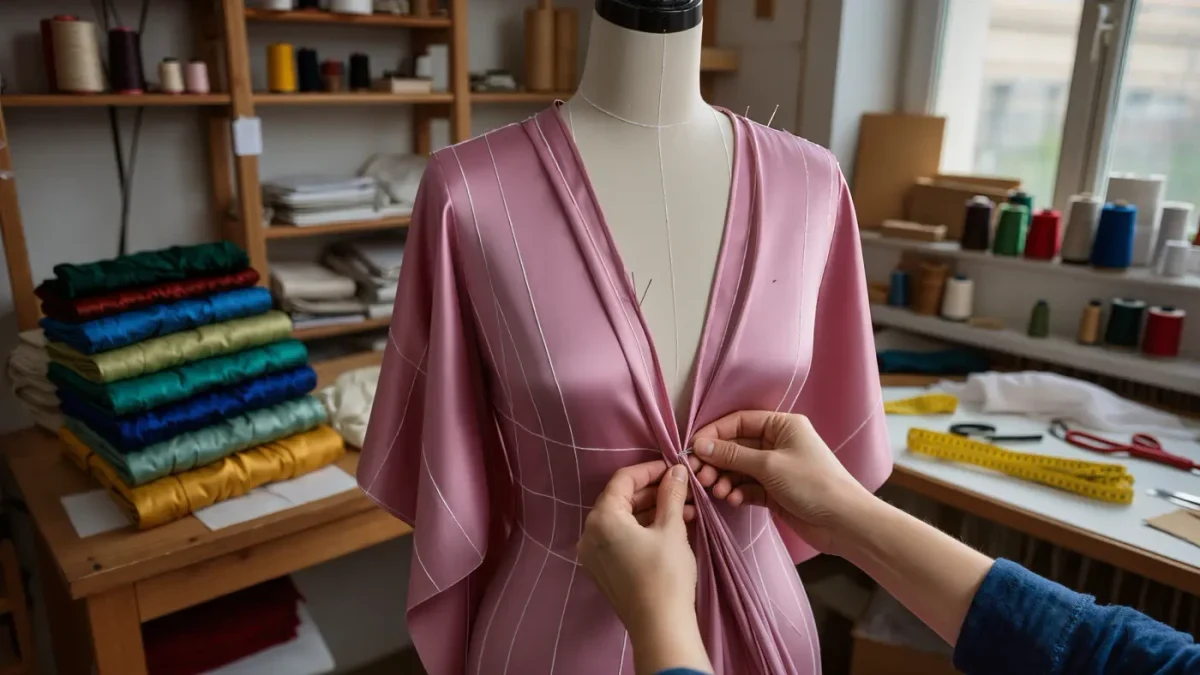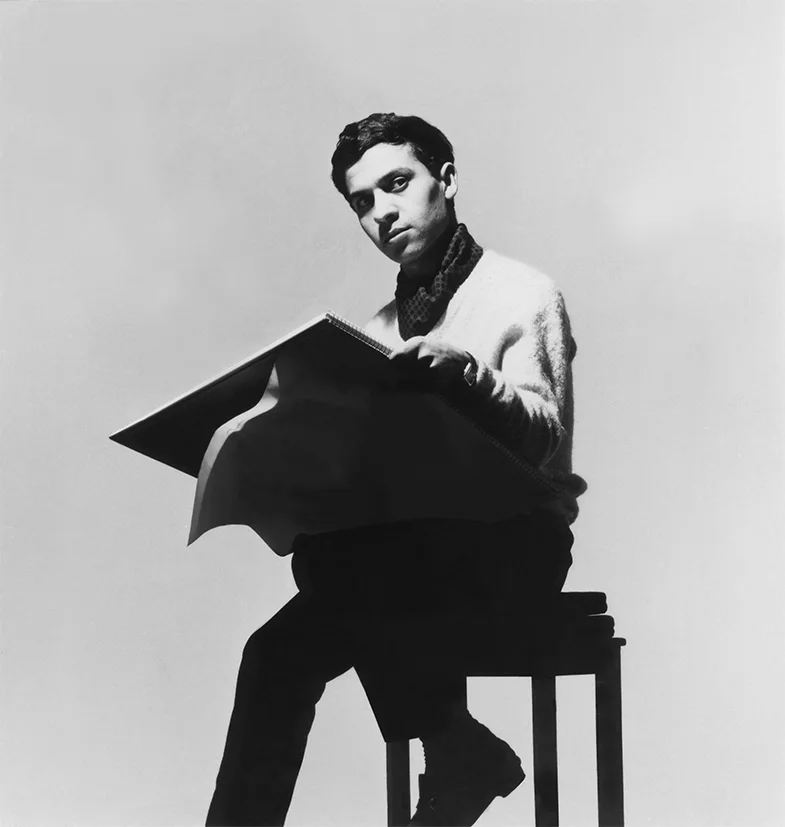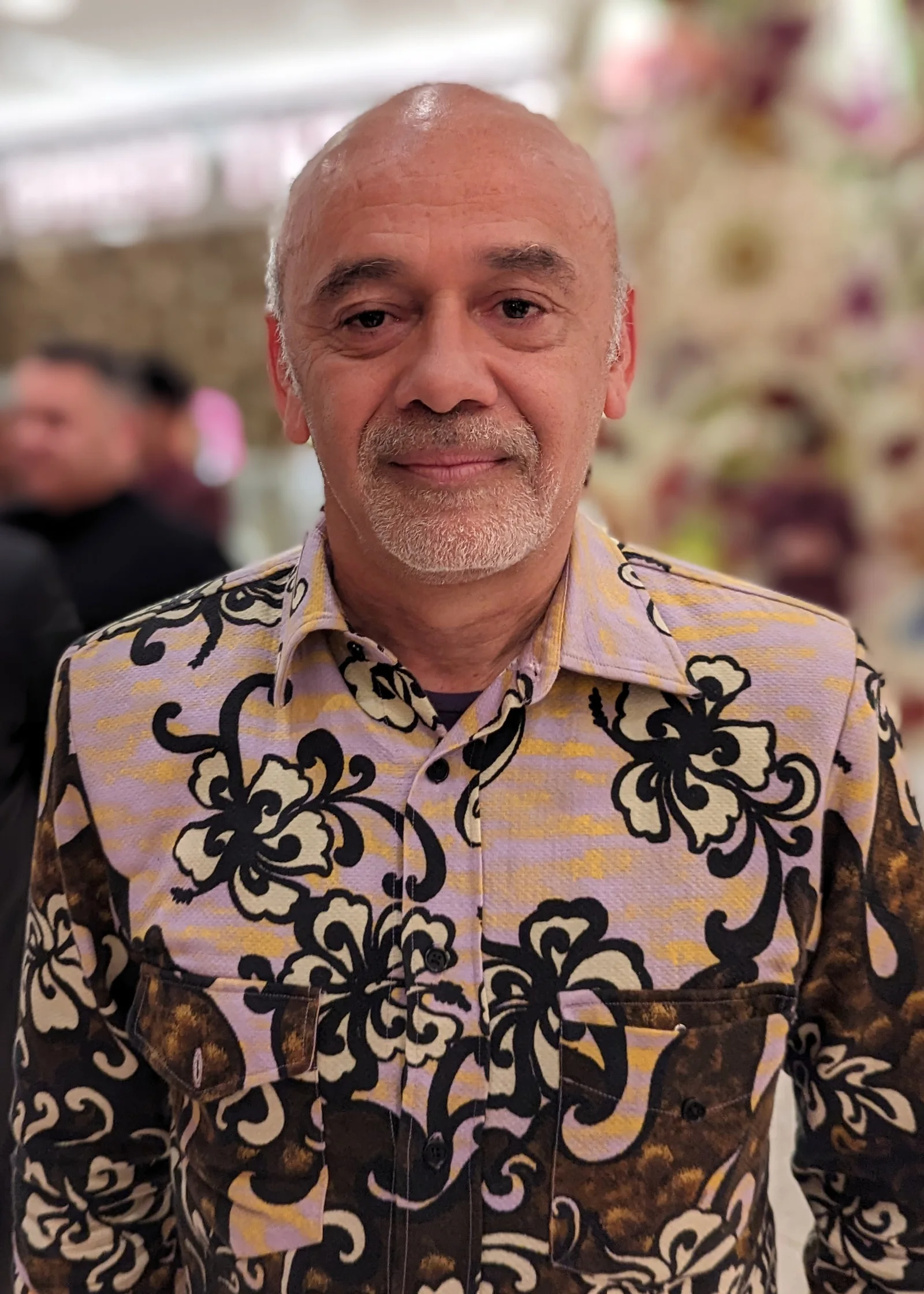
Jean Paul Gaultier learned couture by mail — as a teenager in Arcueil he sketched collections he could not afford to make and posted the pages to Paris houses until one answered. Pierre Cardin took him on his eighteenth birthday in 1970. Fifty years later, the self-taught showman had closed his haute couture line with a revue at the Théâtre du Châtelet, having already turned corsetry, sailor stripes and cabaret into a house style the whole industry could recite.
How did he start without any training?
The CV is a chain of ateliers, not diplomas: Pierre Cardin first, then Jacques Esterel, then a stint at Patou — each house teaching a piece of the trade, from the geometry of a sleeve to the politics of a fitting. In 1976 he presented a first collection under his own name with money from friends; it was too early, and the clothes sold poorly. The house as it exists now was founded in 1982 with his partner Francis Menuge, who died of complications from AIDS in 1990 — a loss that fixed the urgency behind the humor.
The career that followed belongs to the record of Designers as the proof that Paris couture could keep a sense of humor without losing its hand.
What are the codes he built?
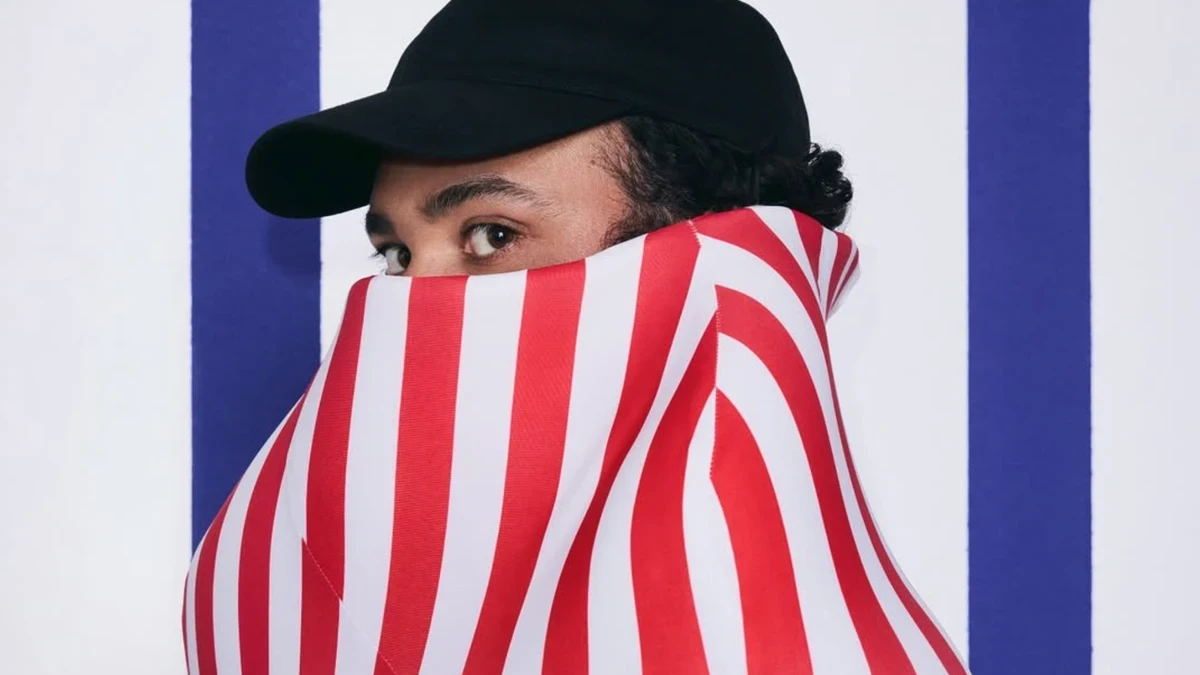
The corset first. The cone-bra bustier Madonna wore on the 1990 Blond Ambition tour remains the most photographed garment of his career, but the idea behind it — underwear as structure, lingerie as power — ran through the work from the start. The marinière sailor stripe is the second code, re-cut every season in silk, latex and knit. Then the men’s skirt, shown in 1984 and argued about ever since: the point was never the skirt but the question of who decides what a man wears.
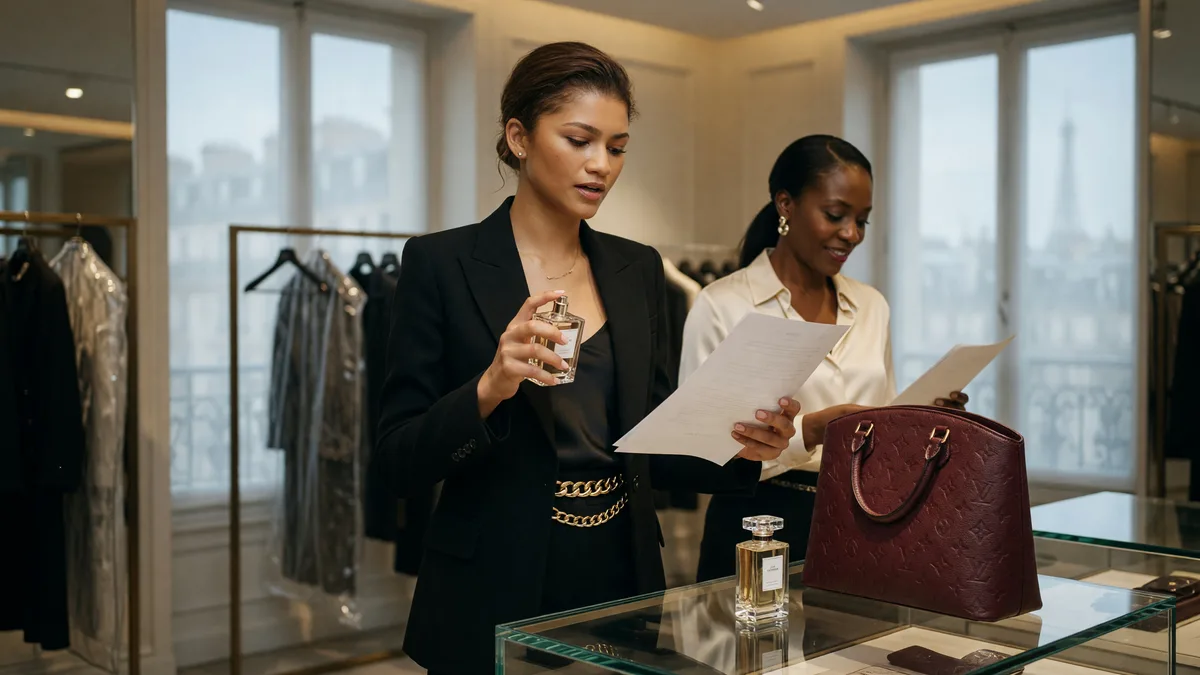
The perfumes turned the codes into a business. Le Male, launched in 1995 in a torso-shaped flask, became one of the best-selling men’s fragrances in the world and quietly paid for the couture experiments — a model every young house now studies.
Why does the casting still matter?
Gaultier’s runways were the first mainline stages in Paris to mix tattooed bodies, pierced bodies, older models and street casting with the profession’s faces — a decision that read as mischief in the eighties and reads as history now. The 1990s shows put transgender and plus-size models inside couture corsetry when the rest of the calendar was still uniform.
The read: the diversity the industry now presents as policy was, on his runway, simply how the audience looked.
What is the house doing after the farewell?
The ready-to-wear line was retired in 2014, and the farewell haute couture collection followed in January 2020 at the Théâtre du Châtelet — a revue of more than two hundred looks with Boy George singing. The house continues without a staff designer: each season a guest maison re-reads the archive, from Rouje to Sacai, while the fragrance and licensing business carries the name.
What did the Hermès years teach him?
From October 2003 to 2010, Gaultier was creative director of Hermès womenswear while running his own house — a double life he described as couture school for grown-ups. The saddle stitch, the Kelly bag’s discipline, the house’s refusal to chase trends: the contrast with his own codes sharpened both. His final Hermès show, in spring 2010, was reviewed as one of the calmest and most beautiful of his career.
The perfume business matured in parallel. Classique, launched in 1993 in the corset-bottle Jean Paul Gaultier designed with the perfumer Jacques Cavallier, and Le Male, launched in 1995, remain fixtures of the European market, and their sales funded the couture line’s independence for years.
What is the Fashion Freak Show?
His farewell was followed by a second act as a playwright. Fashion Freak Show, the revue he wrote with director Tonie Marshall, opened at the Folies Bergère in 2018 and toured — a musical history of fifty years of fashion, told through his own archive, with the house’s codes performed live. The show framed the career the way he wanted it read: as popular culture that earned its couture.
The read: the house continues with guest designers — each season a different maison re-reads the codes — and the archive supplies the theater. The industry has learned what he always argued: couture is a performing art with a sewing machine.
The couture house received its official haute couture designation from the Chambre Syndicale in 1997, and the collections that followed ran past the usual codes: dresses built from bicycle inner tubes, gowns assembled from vintage scarves, and a 2001 collection staged as a burlesque revue. The customer base treated each show as a performance with a shopping opportunity — and the perfume business kept the lights on while the press argued about whether jokes belonged in couture. The industry settled the argument in Gaultier’s favor a decade later, when humor became a standard tool of the luxury calendar.
The read: the corsetry and the cabaret were not a contradiction but a single argument — that the discipline of couture could serve pleasure as seriously as it served power.
Frequently asked questions
Did Jean Paul Gaultier train as a designer? No formal school — he sent sketches to houses as a teenager and was hired by Pierre Cardin on his eighteenth birthday in 1970, learning couture on the job.
What is Gaultier best known for? The cone-bra corsetry worn by Madonna on the 1990 Blond Ambition tour, the marinière stripe, men’s skirts, and perfumes like Le Male — codes he reinvented across five decades.
Does the house still show couture? Gaultier retired from designing in January 2020. The haute couture line continues each season with guest designers re-reading the archive.