What you wear to a fashion event depends less on the dress code printed on the invitation and more on what the event is actually for. A gala asks you to perform. A trunk show asks you to shop. A launch party asks you to be photographed. A front row asks you to be seen without upstaging the clothes walking past you. The invitation's wording is a starting point; the room is the real brief.
This guide decodes the four settings that come up most often, with the logic behind each one. To Cambridge Dictionary, to wear something is to carry it on the body as covering, ornament, or protection — and at fashion events, ornament is doing most of the work. Your outfit is a signal to the room about how fluently you read the occasion.
Before the specifics, one principle holds across all of them: dress for the clothes that will be in the room. If the event centers a collection, your look should frame it, not compete with it. If the event centers you — a gala, a premiere — the calculation flips. We'll take each setting in turn.
What do you wear to a fashion gala?
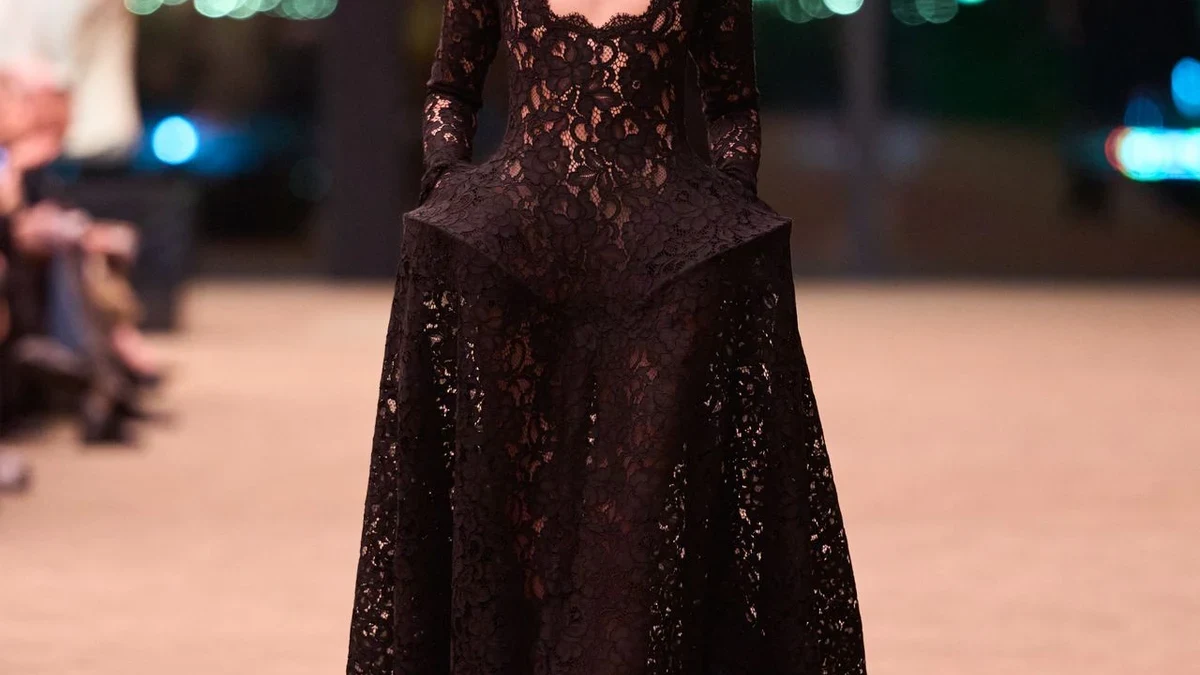
A gala is the most formal setting on the fashion calendar, and the one where the dress code is most likely to be spelled out. Black tie means a floor-length gown or a tuxedo, and the invitation will usually say so. When the code is themed — as museum galas often are — the theme is an invitation to interpret, not a costume order. The guests who read well take one element of the theme and translate it through their own wardrobe: a silhouette, a fabric, a color story. The guests who read badly wear a literal costume.
The craft logic: a gala look should survive photography. That means structure and finish matter more than trend. A gown with a clean interior construction — boning where it needs it, a hem that clears the floor by a consistent half inch — reads as expensive from across a ballroom. A trend piece cut cheaply reads as exactly what it is. Choose the garment that will still look considered in a crop, at an angle, under flash.
Practical steps: pick the shoe first, because a gown's hem is set by it. Test the look seated. If the event includes dinner, a bodice you cannot breathe in becomes a liability by the second course.
What should you wear to a trunk show or in-store event?
A trunk show is a shopping occasion dressed as a social one. The designer or brand brings pieces — often samples, often in limited sizes — and the room exists so that guests can try, order, and talk. The right outfit here is one you can get in and out of quickly and one that flatters the house's aesthetic without copying it.
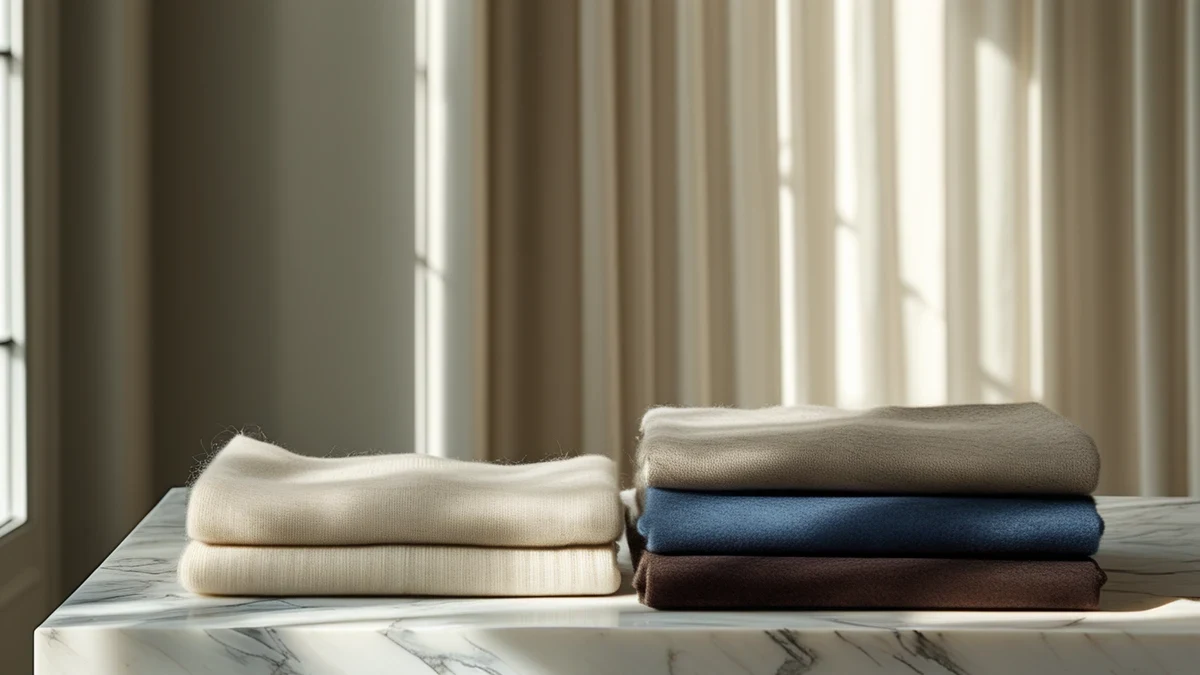
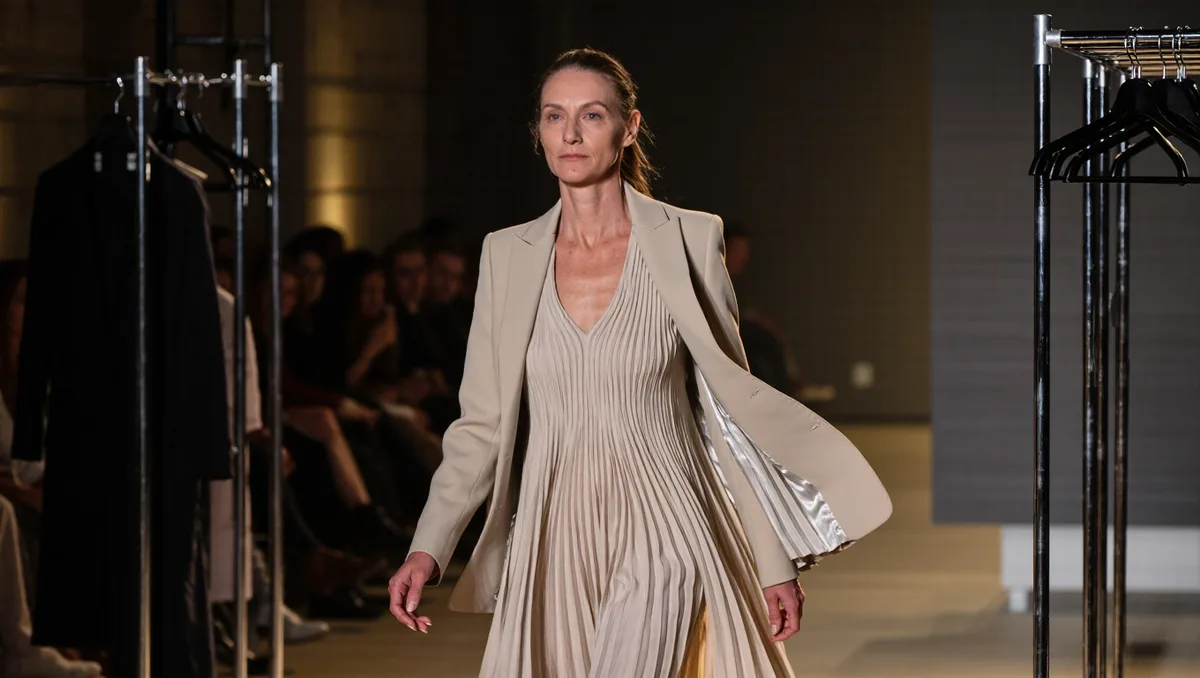
Wear something simple and well-cut: a tailored trouser and a fine knit, a slip dress under an open blazer. Leave the statement piece at home. If you arrive in the season's loudest look, you will spend the afternoon as a mannequin for your own wardrobe rather than a customer for theirs. Fitting rooms at trunk shows are often improvised — a back room, a curtained corner — so avoid constructions that require assistance or patience.
The read: this is the one fashion event where comfort is a strategy, not a concession. You are there to move, try things on, and be taken seriously as a buyer.
How do you dress for a brand launch or party?
Launches and parties are the most photographed settings after the red carpet, and the least codified. The invitation rarely specifies more than a time and an address, so the venue and the brand set the register. A downtown sneaker drop and a fragrance launch at a gallery ask for different answers, and the guest list — check who is attending, if you can — tells you more than the invitation does. Readers following this should also see Met Gala 2026 Turned Fashion Is Art Into a Living Red Carpet Gallery.
The working rule: one strong idea per outfit. A launch party rewards a single memorable element — an unexpected color, a sharp shoulder, a great shoe — carried by otherwise quiet pieces. Two competing ideas read as trying; zero read as uninterested. Lighting at these events runs dark and warm, so texture photographs better than color: a bouclé, a satin, a leather will register where a flat dye disappears.
What this means in practice: build the look around what it does in a room, not what it does on a hanger. Move in it before you leave the house. Sit, stand, hold a glass.
What is appropriate for a runway show front row?
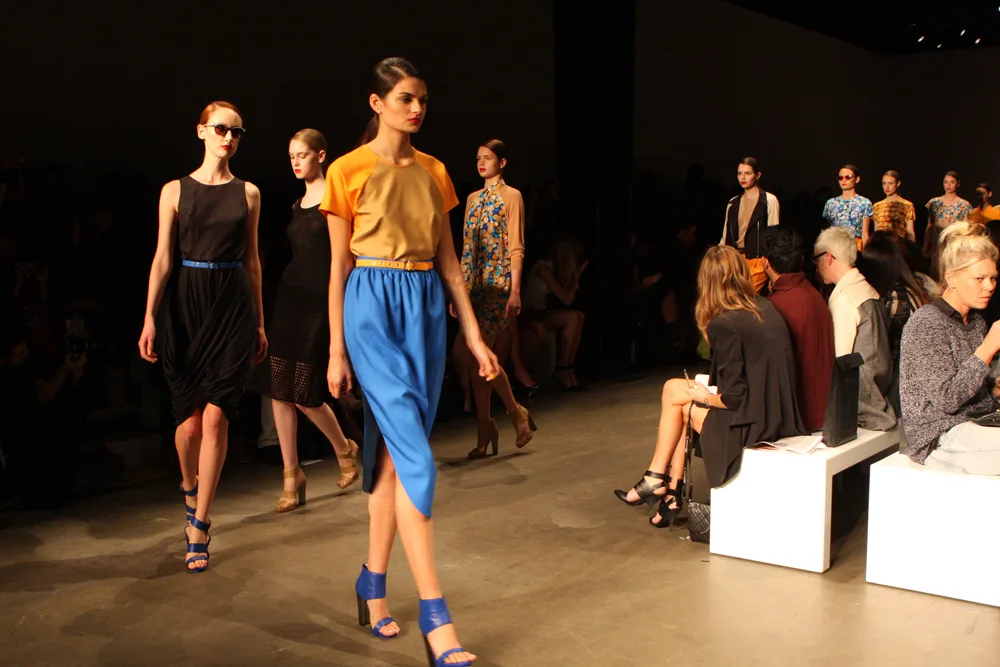
The front row is the most disciplined dress code in fashion, precisely because it appears to have none. The unwritten rule is that the guest supports the show. You wear the house — a vintage piece from its archive, a look from a past season — or you wear something so resolved and personal that it cannot be read as a rival. What you do not do is wear a head-to-toe look from a competing house, or anything that will pull the photographer's lens off the runway. We covered a connected angle in The Season Ahead: Why Fashion’s Event Calendar Has Become the Industry’s Real Runway.
Seating matters too. Front-row looks must work while seated for twenty to forty minutes: hems that ride, heels that catch on carpet edges, hats that block the row behind you are all real considerations, not etiquette trivia. Editors and buyers dress in a register that reads as effort without effort — the industry's shorthand for someone whose eye is trusted.
The verdict, as this desk reads it: the front row rewards restraint with authority. The guests who get photographed arriving and then forgotten during the show have dressed for the wrong half of the event.
What this means for your next invitation
The common thread across all four settings is that the dress code is a question about your judgment, and the answer is always the same shape: read the room, choose one clear idea, and let construction carry the look. A gala asks for performance with polish. A trunk show asks for ease with intent. A launch asks for one memorable note. A front row asks for the confidence to be quiet.
If you are building a wardrobe for a season of fashion events, start with the pieces that serve all four: a well-cut suit, a gown with honest construction, a pair of shoes that survive both a ballroom and a gallery floor. The rest is interpretation — and the calendar, as our events coverage shows, gives you plenty of chances to practice. Watch how the strongest dressers at the next round of shows handle it, and take notes.