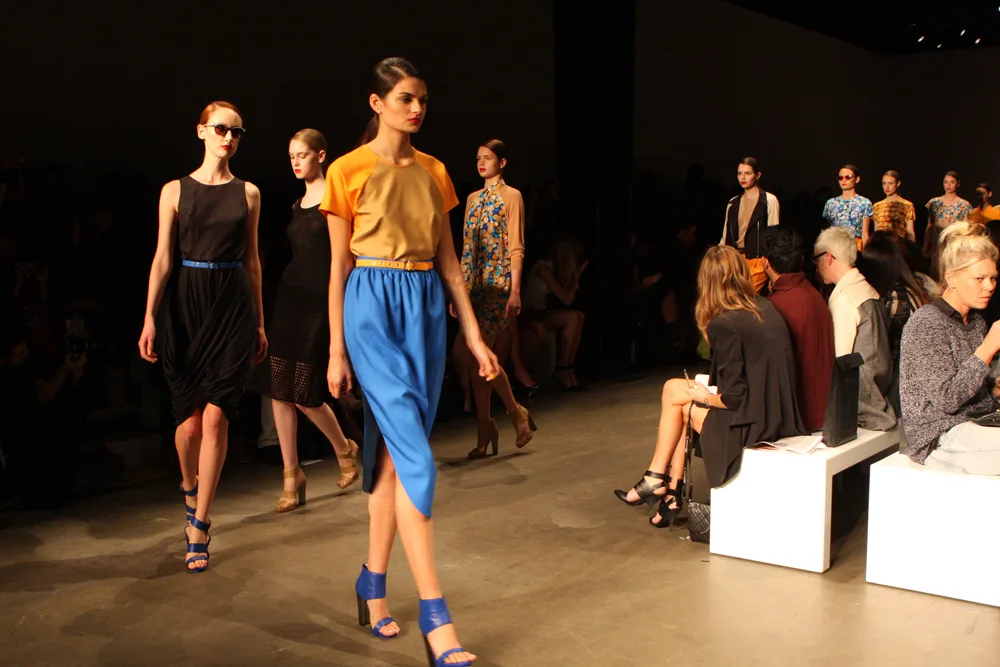
Fashion week looks closed from the outside. Rows of seats face a dark runway, and everyone in them seems to know a secret. The truth is less mysterious. The door has a logic, and you can learn it before you ever stand in one.
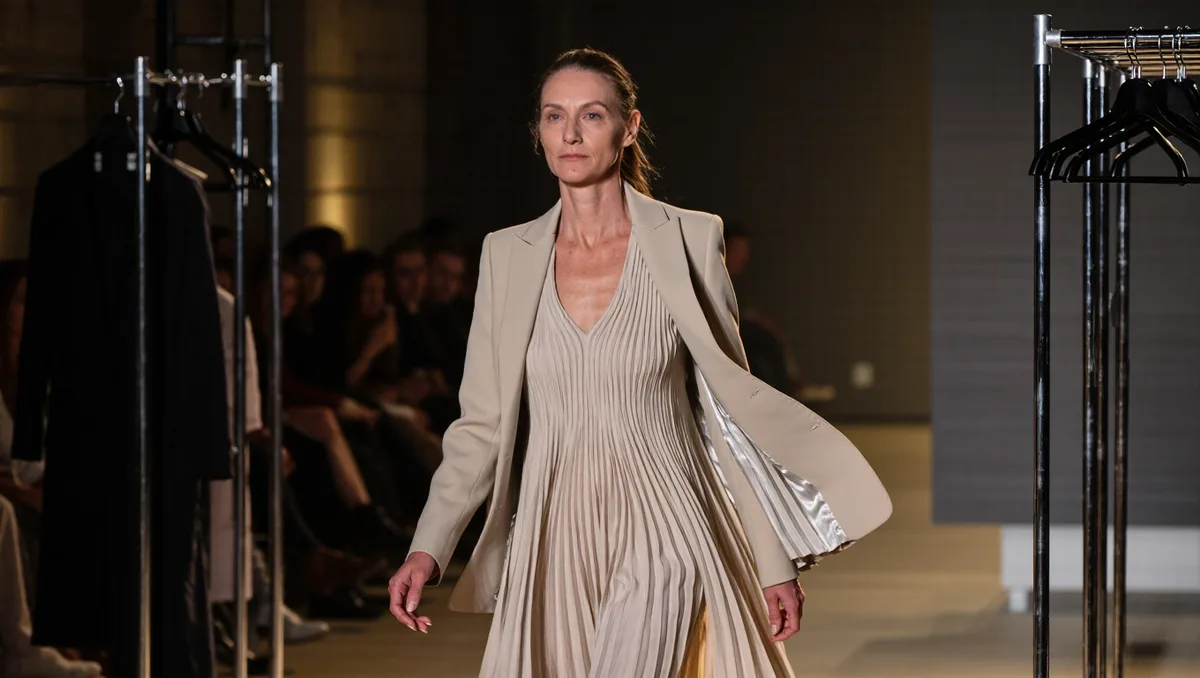
Start with what the event is for. A fashion week is a week-long industry event where designers, brands, and fashion houses show their latest collections in runway shows to buyers and the media, per Wikipedia's overview of fashion week. That single sentence explains the guest list. The seats belong to the people who turn a collection into orders and coverage.
Who Sits in Those Seats First
Buyers come to plan what stores will stock. Editors and reporters come to tell the wider world what the next season will look like. A fashion show is an event a designer stages to showcase an upcoming line of clothing and accessories, and shows debut every season, mainly spring/summer and fall/winter, according to Wikipedia's fashion show entry. If your work helps a line move from the runway into shops or stories, you fit the room. That is the first test the list applies, and it is worth applying it to yourself before you apply to anyone.
The Guest List Has Old Roots
Invitations were never casual. In early Paris, marketers hired women to wear couture items in public places, from racetracks to beauty salons, until the parades became social events of their own. Designer Paul Poiret blended socializing and shopping with lavish galas, and guests were asked to dress in their best clothing to match his designs, per the historical record. As the shows matured, they grew more intimate. Houses began dressing models in their collections in front of client-only guests, and photographers were banned because houses feared copied designs. The lesson from that history is simple. Access has always followed a relationship, not a request dropped in from nowhere.
Earn a Role, Then Ask for Access
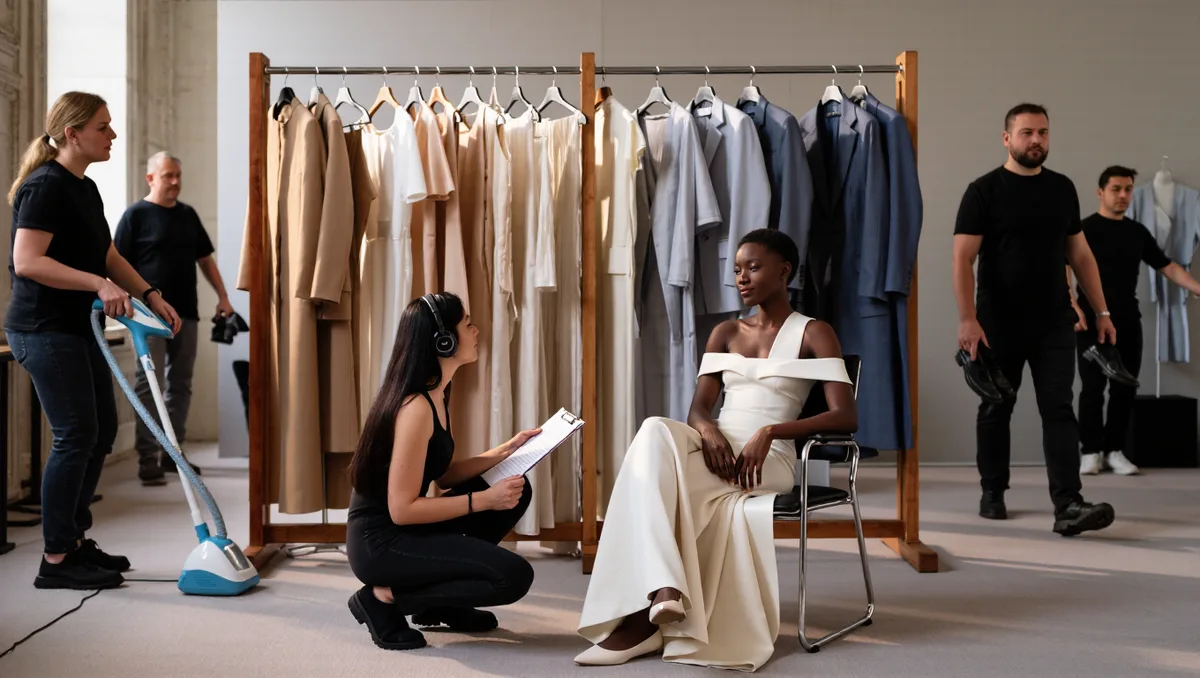
Most seats follow a job. Stylists pull looks. Buyers place orders. Writers file reviews and trend reports. Pick the role you can genuinely fill, then build proof at a smaller scale. Cover local shows for a trade outlet or your own platform. Assist a stylist, a publicist, or a retail buyer during market week. When you pitch a PR team, be specific. Name your outlet, your audience, and your plan for the coverage. Vague requests get ignored. Specific ones get filed under maybe, and maybe is where seats come from. For related coverage, see The Season Ahead: Why Fashion’s Event Calendar Has Become the Industry’s Real Runway.
Start Small and Watch Everything
The biggest capitals get the attention, but smaller fashion weeks run elsewhere during the same stretch, a period the industry calls fashion months, according to Wikipedia. These events book newer names and friendlier lists. Presentations and installations are easier doors than a headline runway show. In an installation, models are static, standing or sitting in a constructed environment while guests move through the space, as Wikipedia describes. Streaming changed the game as well. London Fashion Week became the first week to stream its shows in 2010, and live streams are now commonplace, according to Wikipedia. Study a dozen streams before you sit in any front row. You will learn pacing, how long a look holds, and how a crowd behaves.
Conclusion: Access Follows Usefulness
Nobody owes you a seat, and that is good news. It means the list is not random. It rewards people who make the week work: the buyer who orders, the editor who covers, the stylist who pulls, the creator who amplifies. Choose the role you can fill, prove it at smaller shows, and ask early with specifics. Do that for a season or two, and one day the invite lands with your name on it. This connects to our earlier piece, The Summer of Sport Has Turned Game-Day Dressing Into a Fashion Event.