A new creative director debut is the moment a fashion house stops talking about change and shows it. The appointment is announced. The teasers trickle out. Then, on one afternoon, the first collection walks, and the industry decides — fairly or not — what the next era will be.
For readers outside the bubble, the whole cycle can look like noise. It is actually a managed sequence, with distinct stages, each designed to do a specific job. Understanding the arc makes the next big debut easier to read, and easier to enjoy.
The cycle usually starts with the appointment itself, often a short statement naming the designer and thanking the departing one. Coverage of an appointment, and why it matters beyond the press release, is exactly what our Olivier Rousteing at Rabanne piece unpacked. From that day forward, the house is on a clock, because the debut show now has a date, a venue, and an audience that has already formed opinions. For related coverage, see Olivier Rousteing at Rabanne: Why the Appointment Matters Beyond the Press Release.
How does a house build anticipation before a debut?
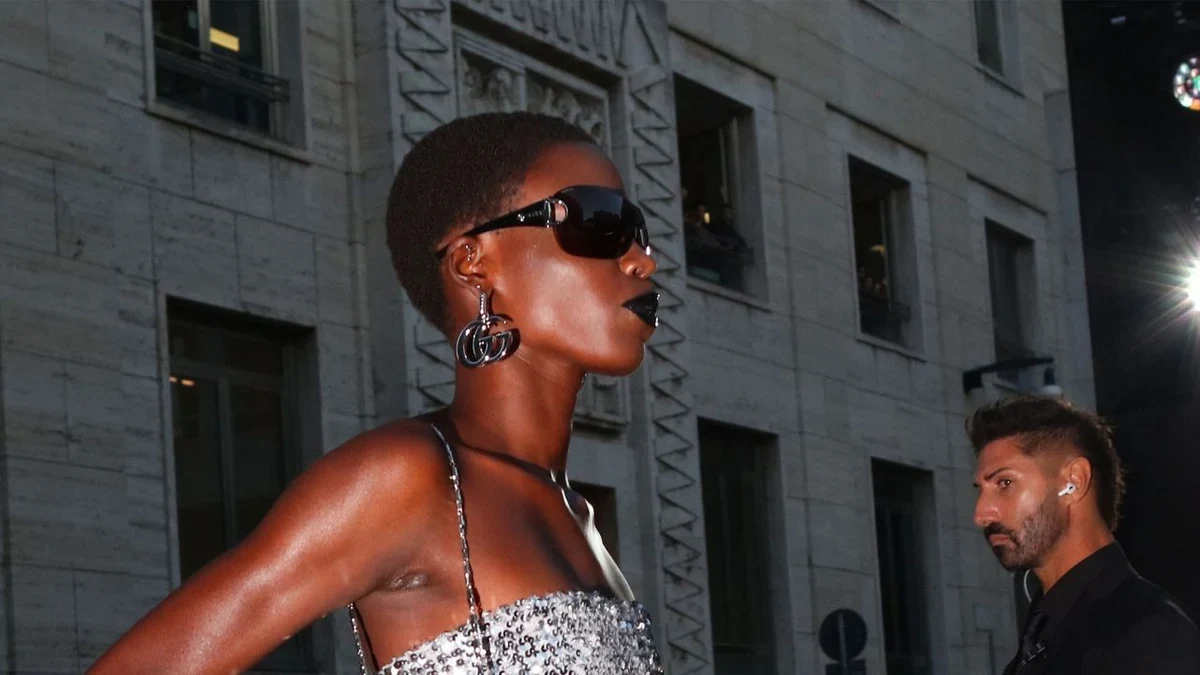
The first tool is silence, used deliberately. After the appointment, most houses go quiet for months. That quiet is not absence; it is a vacuum the industry fills with speculation. Which stylists is the designer working with? Which faces are being cast? Every paparazzi shot of a celebrity in an unbranded coat gets read as a clue.
The second tool is the slow reveal. A house may confirm the show date and venue early, then release fragments: a single fabric swatch, a cropped campaign image, a short teaser film with no garments visible. Each fragment is small enough to mean nothing on its own and large enough to keep the conversation alive.
Video has become a favorite fragment format, and the tooling around it has changed quickly. According to Runway's AI video generator product page, its tools can create video from a text prompt, an image or an existing clip, and can edit real footage by changing lighting, swapping backdrops or removing objects. Whether a house uses AI or a traditional film crew, the logic is the same: a teaser is a controlled glimpse, not a preview. It sets a mood and refuses to show the clothes.
The third tool is the front row. Invitations are a message in themselves. Who sits front row at a debut signals which celebrities, editors and retail buyers the house wants in its corner for the new era. Our guide to the Paris Couture Week debuts and front-row signals looked at how much information those seats carry. This connects to our earlier piece, Paris Couture Week FW26: The Debuts, Houses, and Front-Row Signals to Watch.
What actually happens on debut day?
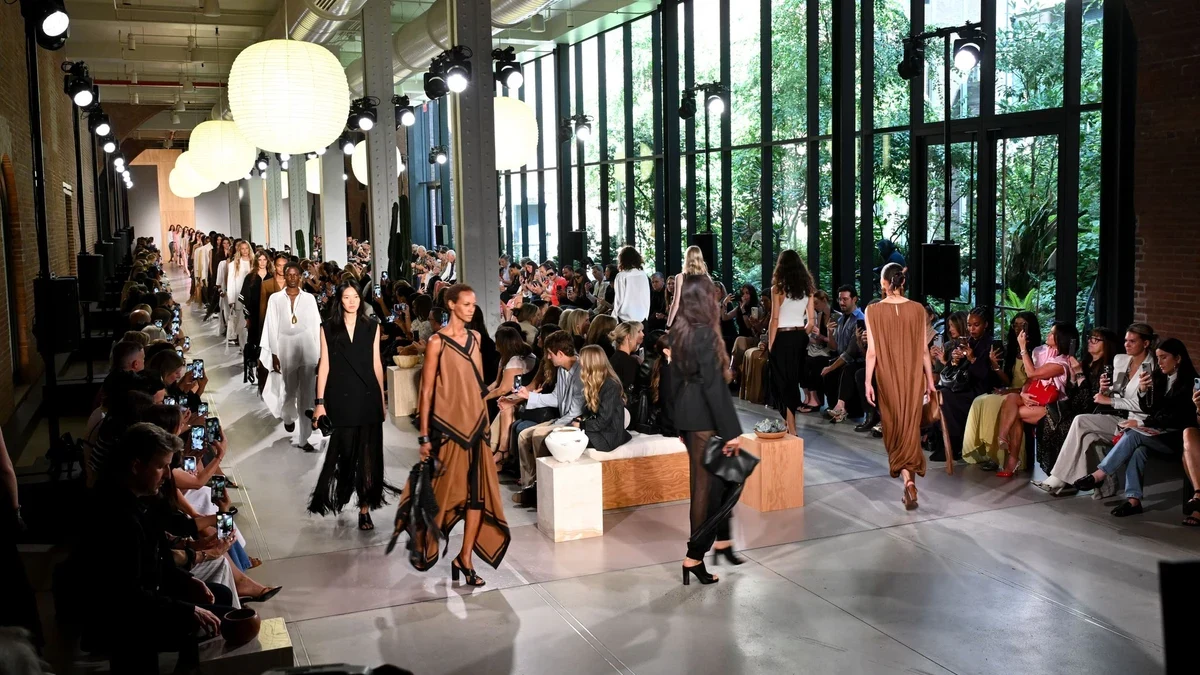
The show itself is short — often ten to fifteen minutes of walking — but everything around it is choreography. The set design, the soundtrack, the look count and the casting all make arguments about the house's future. A debut collection typically leans on a house code: a signature jacket, a historic print, a recognizable silhouette, reworked. The designer is telling the audience, "this is the heritage I am keeping," before showing anything new.
Look count matters more than most people realize. A debut with a large look count reads as ambition and confidence. A tight, small show reads as focus. Neither is better; they are different bets.
After the runway, the commercial machinery starts immediately. Buyers place orders that will not land in stores for months. Reviews publish within hours. And social media does its own, faster, rougher verdict — often before anyone has seen the garments in motion twice.
How should you read the reviews and the reaction?
Here is the honest part: a debut is judged on expectations as much as on clothes. If the house has been struggling, a competent, beautiful show gets applauded as a turnaround. If the house has been thriving, the same show gets picked apart for lacking a point of view. The collection did not change; the stakes did.
Our read: treat the first show as a thesis statement, not a verdict. Designers rarely land their full vision in one collection. The second and third shows are where a real point of view either firms up or dissolves. Watch what repeats across those early collections — that repetition is the designer's actual answer to the question "what is this house now?"
It also helps to separate three different reactions, because they get tangled in coverage:
- The critics' read — about craft, coherence and whether the vision makes sense.
- The market's read — about what buyers ordered and what will sell.
- The internet's read — about moments, memes and celebrity seating.
All three are real. Only the first two predict much about the house's next few years.
What does a debut change for the rest of the calendar?
A high-profile debut reshuffles attention across an entire season. Editors and buyers have finite budgets of time and travel, so one house's debut can pull coverage away from mid-size brands showing the same week. That is one reason fashion-month calendars get scrutinized so closely; our breakdown of the Milan Fashion Week SS27 schedule shows how openings, returns and special events stack the deck.
Debuts also set the tone vocabulary for the season ahead. If a major house debuts with sharp tailoring, expect tailoring to dominate the conversation for months, regardless of what anyone else shows. It is not that other designers copy the look. It is that the debut becomes the reference point everyone else gets measured against.
For the wider picture of where new names fit in, our story on Paris Fashion Week's new names and the wider global runway is a useful companion — the debut cycle at the big houses and the rise of newer labels are two halves of the same story.
What should you watch after the applause fades?
The aftermath is where the real management happens, and it is less glamorous. A house now has to convert anticipation into sales, which means campaign shoots, store windows, press dressing and product drops, all on the new designer's terms. If the debut was a spectacle, the follow-through has to be commercial. If the debut was quiet and commercial, the follow-through has to build cultural heat. Houses rarely get to do only one of those jobs well.
There is also the talent question. A debut is the first public test of a whole team — the studio, the stylists, the image-makers — not just the named designer. When a debut underperforms, the pressure lands on all of them. When it succeeds, the same team usually gets the credit quietly, in the form of bigger budgets and longer contracts.
Practical steps for following the next debut cycle:
- Note the appointment date, then expect months of controlled silence — do not mistake it for a delay.
- Watch the teaser materials for what they refuse to show; the withheld element is usually the collection's core idea.
- Judge the first show as a thesis. Judge the third show as the answer.
- Track what the house does between shows — campaigns, celebrity dressing, store presence — because that is where the strategy stops being talk.
The evidence so far, across many houses and many eras, points one way: anticipation is easy to manufacture and hard to spend wisely. The debut show is the single loudest moment of a creative era, and also the least reliable guide to it. What comes after — the second collection, the sell-through, the team that stays — tells the truer story. We will be watching the walkthroughs.