Costume design and fashion design look similar from the outside. Both involve fabric, sketches, fittings, and a strong point of view about how a body should look. But they answer different questions. A fashion designer asks what people will want to wear next season. A costume designer asks what one specific character would wear on one specific day of their fictional life.
That difference shapes everything: the training, the timeline, the budget, and even where the finished work is seen. Understanding the divide makes both crafts easier to read — and it explains why film wardrobes and runway collections keep borrowing from each other anyway.
What does a costume designer actually do?
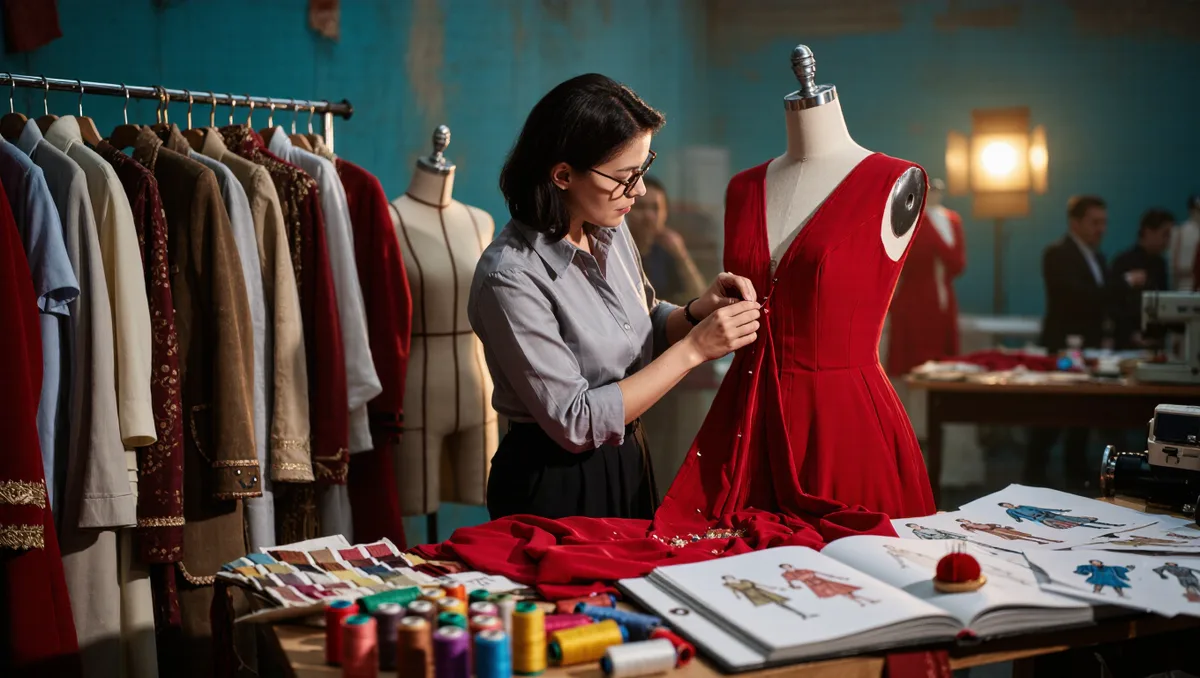
A costume designer builds a wardrobe for a story. The client is not a shopper; it is a character. Before a single garment is made, the designer reads the script, talks with the director, and works out what each person's clothes say about their income, their era, their mood, and how they change over the course of the plot.
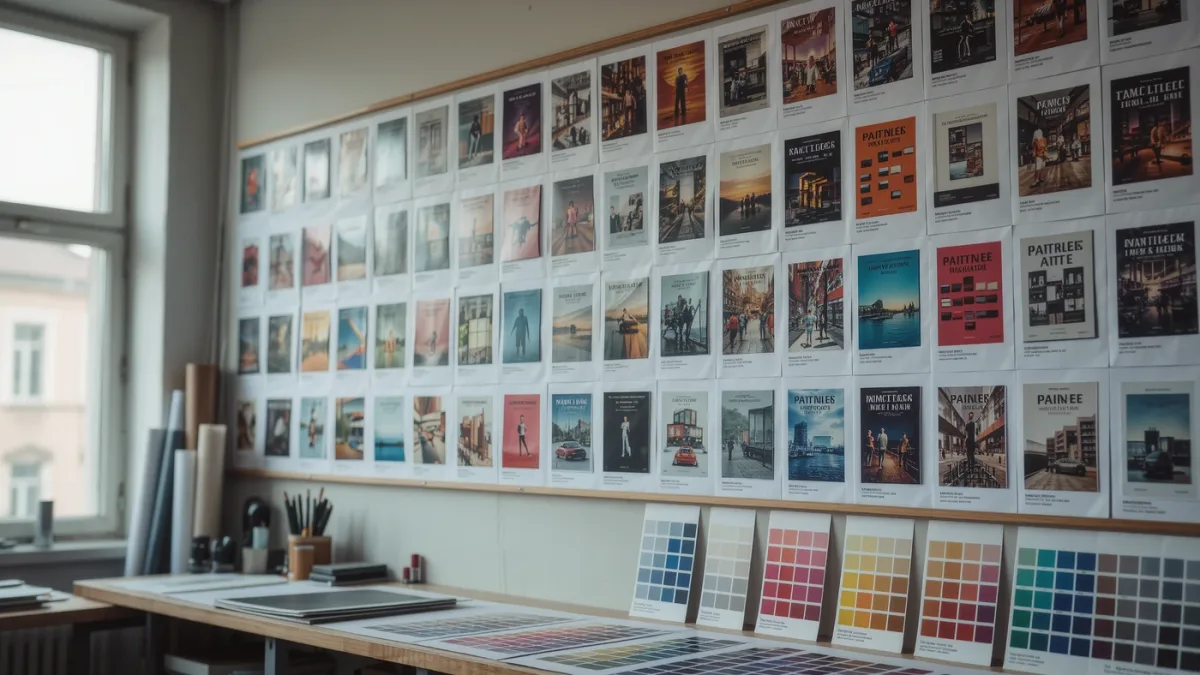
The work is collaborative and subordinate to the frame. Lighting, camera angle, and set color all constrain the palette. A dress that photographs as charcoal on set may read as black on screen, so costume designers often work in shades a fashion designer would never put on a rail. Durability matters too: a hero costume may be built in multiples because a scene gets shot dozens of times, and a fight scene destroys sleeves in ways a fitting room never will.
There is also a hard deadline that fashion never faces. A film shoots on a fixed date. There is no shifting the launch because a fabric arrived late. That pressure pushes costume teams toward practical problem-solving — aging a jacket by hand, breaking in boots off camera, rebuilding a bodice overnight.
What does a fashion designer actually do?
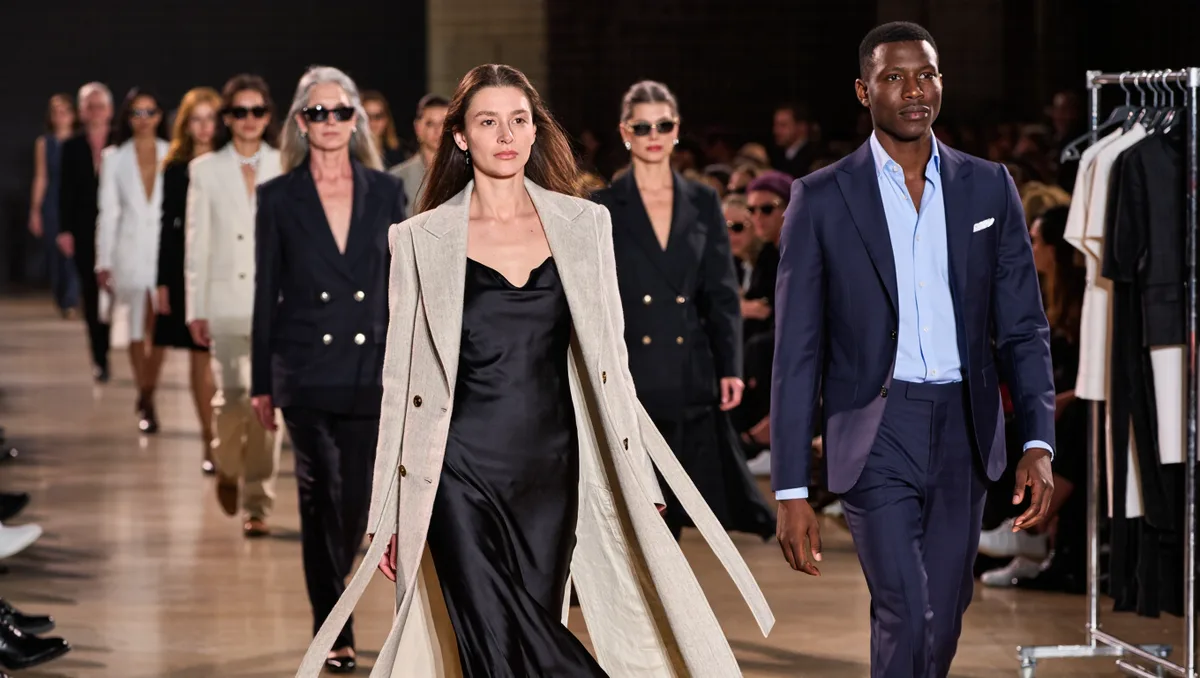
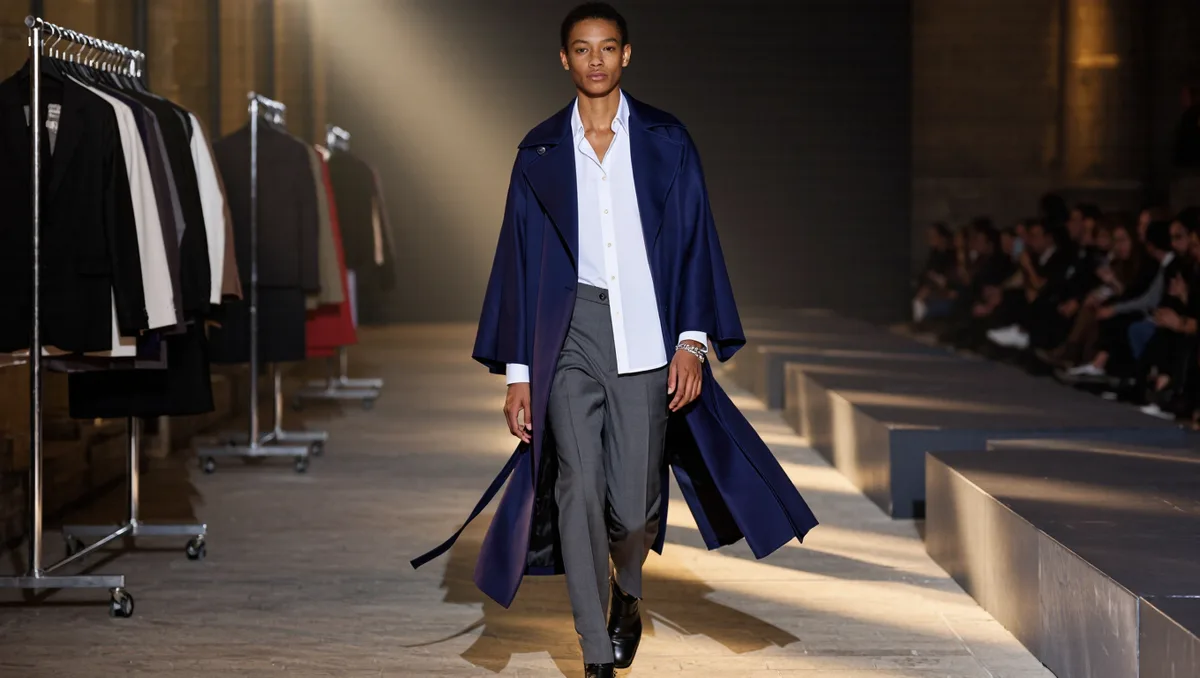
A fashion designer builds a wardrobe for a market. The starting point is not a character but a season, a customer, and a commercial calendar. Collections are designed months ahead, shown on a runway or in a lookbook, then produced in a range of sizes for people the designer will never meet.
Where the costume designer serves the story, the fashion designer serves a body in motion through real life — commuting, sitting, being photographed, being resold. Fit must work across many bodies, not one. The business side weighs heavily: a collection has to sell, and the house behind it has to make money beyond the runway. We covered that commercial machinery in How Fashion Houses Make Money Beyond the Runway, and the day-to-day craft in How Fashion Designers Work, From First Research to Final Muslin.
The timeline is long but elastic. A resort collection can move; a film cannot. That flexibility lets fashion designers iterate, whereas costume designers often get one chance to get it right before the cameras roll.
Why do people confuse the two jobs?
The confusion is understandable. Both titles include the word designer, both work with ateliers and seamstresses, and both produce clothes that end up famous. The overlap is real but sits at the edges — in technique, not in purpose.
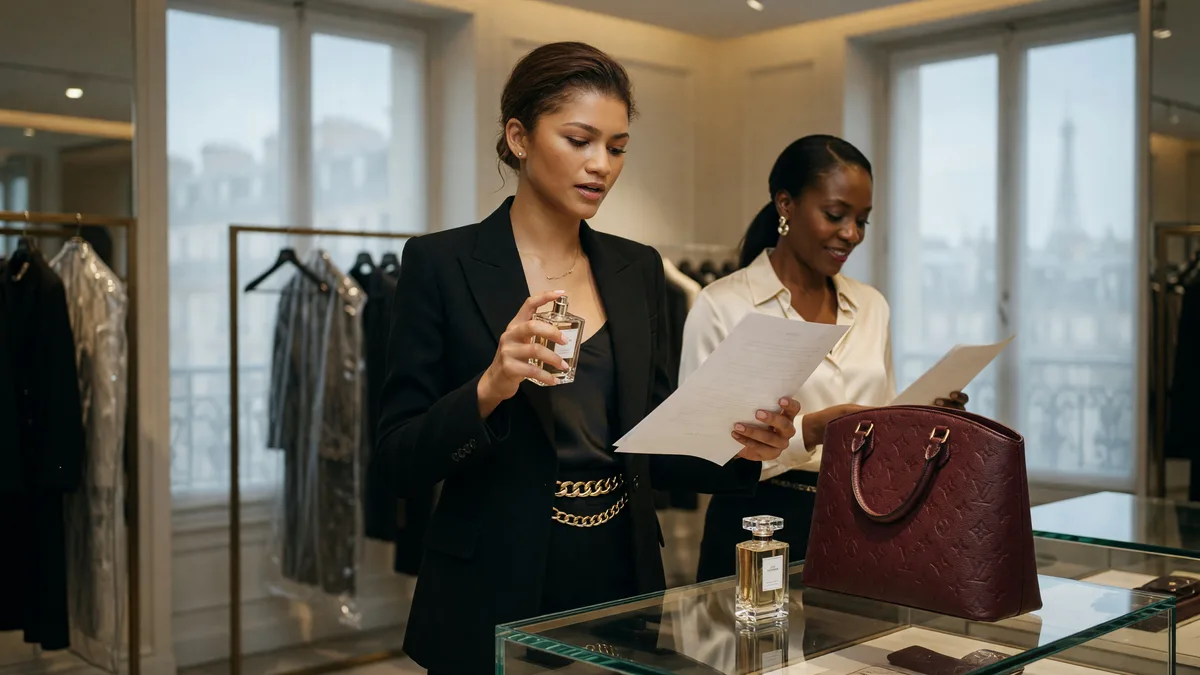
The retail market blurs the line further. Walk into any costume shop in October and you will find film wardrobes turned into consumer products. The licensed costume market now sells everything from a Rey outfit to a Dune stillsuit, and Costumes.com lists officially licensed versions of screen wardrobes from Star Wars to M3GAN alongside generic party wear. That shelf tells its own story: a costume succeeds when it is instantly readable as a character. A fashion garment succeeds when it flatters the wearer. The costume is a portrait; the fashion piece is a tool.
Training paths differ as well. Costume designers often come through theater programs, where they learn period construction, breakdown, and quick-change logistics. Fashion designers more often come through design schools focused on the market — a split we examined in What Fashion Design School Actually Teaches, and What It Doesn't.
What fashion borrows from costume
Fashion's debt to costume is old and deep. Runway collections routinely pull from period dress, uniform, and workwear — the same source material a costume designer researches for a drama. When a designer sends a corseted silhouette down a catwalk, the construction knowledge often traces back to stage and screen craft, where historical garments have been rebuilt for decades.
Costume also lends fashion its narrative instinct. The strongest runway shows are staged like scenes: a setting, a cast, a mood arc from first look to last. That theatrical framing — which houses from the avant-garde to the commercial end of the market now treat as standard — is costume thinking imported whole. Our piece on Alexander McQueen: Art, Shock, and Craftsmanship traces how far a show can go toward pure theater before the clothes become almost secondary.
Costume's most practical gift is character discipline. Asking "who would wear this?" before "is this beautiful?" is a costume question, and fashion collections that answer it well tend to feel coherent rather than merely styled.
What costume borrows from fashion
The traffic runs the other way too. Costume designers read the runways the way set decorators read design magazines, because a film set in the present day has to reflect what people actually wear now. A contemporary drama whose heroine dresses three seasons behind reads as dated on screen, so costume teams track current collections and buy or borrow from brands for the same reason a stylist would.
Fashion also lends costume its finish. As audiences became more fashion-literate, costume departments raised their game on tailoring, fabric quality, and silhouette — a period piece can no longer pass with a generic "old-timey" dress when viewers can tell a bias cut from a box cut at a glance. And fashion's star power helps costume designers professionally: a designer who moves between film and fashion brings press attention, which brings budgets.
The read, as we see it: the two crafts are converging at the top. Red carpets, concert tours, and celebrity styling now sit between them, hiring from both talent pools and asking for hybrid skills — narrative dressing with fashion credibility.
What this means for how you watch and shop
Next time a film wardrobe goes viral, look at what made it work. Usually it is specificity: a costume feels inevitable for that character, in that place, at that moment. That is a different achievement from a great collection, which must make one design language work across many lives.
For shoppers, the divide has a practical use. Costume-inspired pieces at retail — the licensed screen wardrobes sold by outfits like Costumes.com — work best when you treat them as character dress for a specific occasion, not as everyday fashion. And when a fashion collection borrows a costume idea, the piece to buy is the one that has been translated for real wear, not the literal copy.
The borrowings will continue, because both crafts are ultimately about the same thing: clothes as communication. They simply speak to different audiences — one audience of millions watching a story, the other of shoppers deciding what to wear on Tuesday.