Rick Owens spent a decade cutting samples for knockoff brands in Los Angeles before his first collection found its way into boutique windows in 1994 — and onto Madonna, who carried one of his leather jackets on tour. Since moving his runway to Paris in 2002, he has built one of fashion’s most loyal cults among Designers, on silhouettes that drape, elongate and armor the body in equal measure.
How did Rick Owens start in fashion?
He studied pattern cutting at Otis/Parsons in Los Angeles for two years, then spent a decade in the trade’s least glamorous corner: cutting samples for sportswear firms, including licensed copies of designer labels — an education in construction he describes as the most honest he could have had. His first collection, shown in 1994, was bought by the Los Angeles boutique Charles Gallardin, and Madonna’s stylist found the leather pieces there.
The runway debut came in New York in 2001, sponsored by American Vogue, and the move to Paris followed in 2002 — the city where the house now shows and where its language, part grunge part couture, found its full register.
What is the Owens signature?
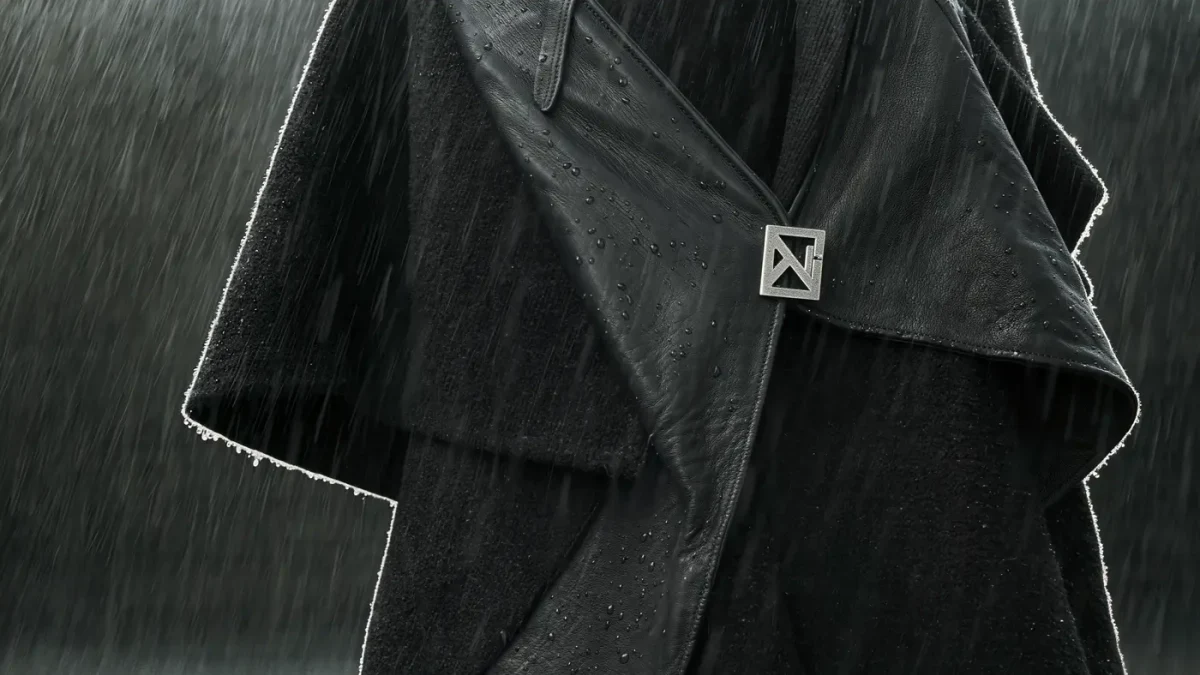
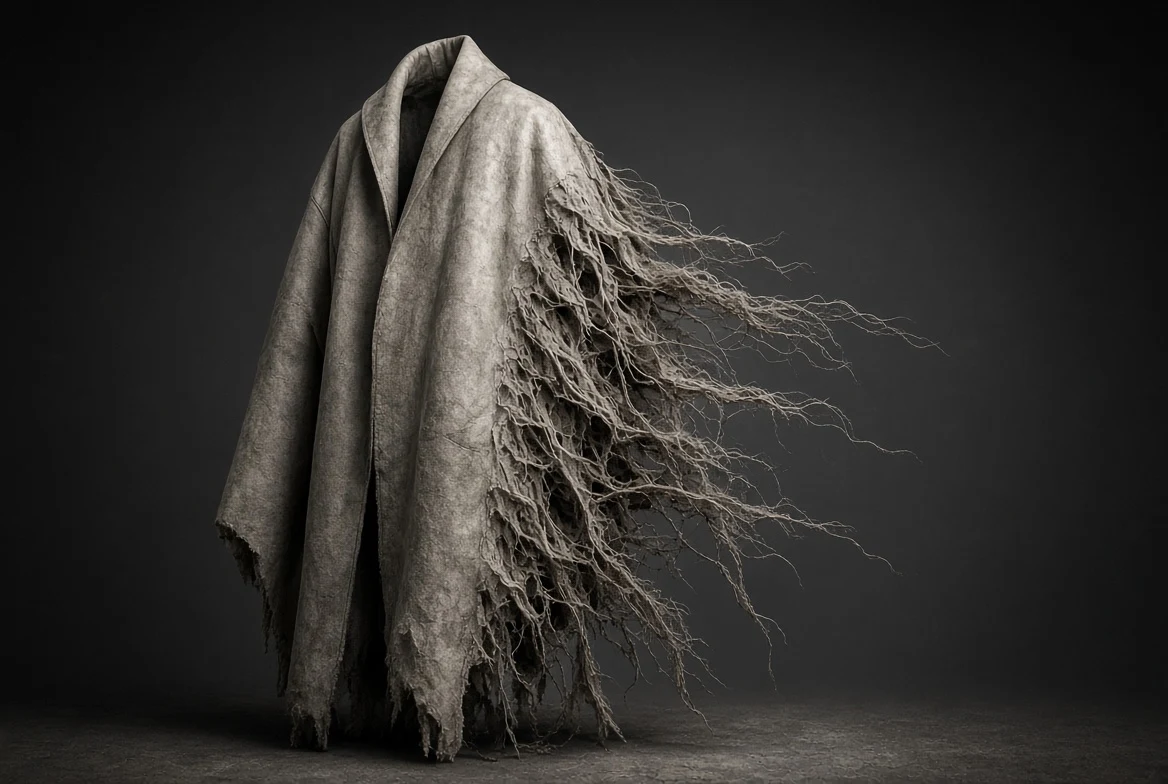
He named it himself: “glunge” — glamour plus grunge. Bias-cut jersey over leather harnesses, elongated sleeves, shoulder lines borrowed from American football pads, and a palette that runs from black to black. The shows are performance pieces — step teams, human backpacks, fire-breathing — staged by his own team from the Palais Bourbon apartments he shares with his wife and muse, Michèle Lamy.
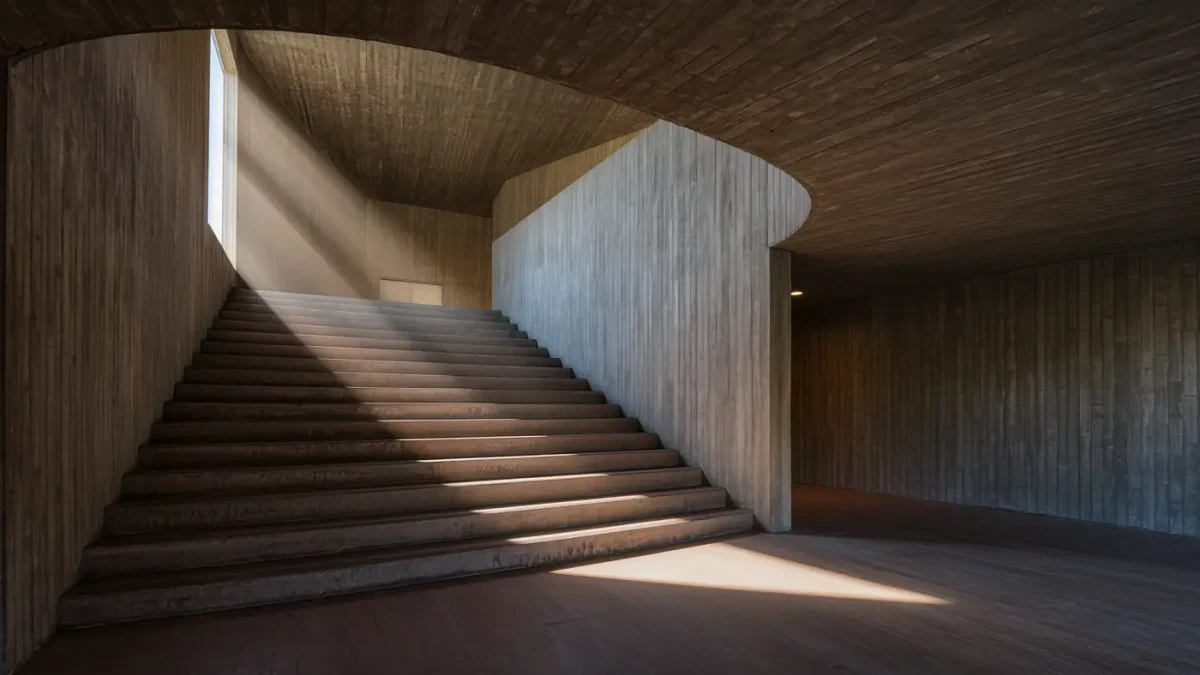
The world extends past clothes: concrete and plywood furniture cast in his own workshop, books, a fragrance, and stores designed like bunkers. The company remains privately held with his longtime partner, which is why every decision — casting, retail, soundtracks — stays in-house.
What is the house doing now?
The collaborations — Converse, Birkenstock, Moncler — carry the codes to new audiences without changing them, and the collections continue to open with the same elongated silhouettes that made his name. The read: Owens built the rarest thing in fashion, a universe a customer can move into permanently — and the cult keeps growing because the door never changes.
What was the Revillon chapter?
In 2003 Owens was named artistic director of Revillon, the French fur house founded in 1723 and billed as the oldest fur house in the world — a double life that ran alongside his own label until 2006. The Revillon collections gave him a couture-level fur atelier and a French base, and the experience taught him the Paris system from inside a historic maison rather than from outside it — a contrast he has described as the best education in craft he never asked for.
The move to Paris coincided with the label’s growth past the LA boutique circuit: the Paris shows, the Palais Bourbon apartment-studio, the stores designed like bunkers, and the expansion into menswear (launched 2003), women’s leather, knitwear and the furniture line — each designed in-house, each an extension of the same language.
What are the collaborations?
The collaborations are extensions of the codes rather than departures: Converse sneakers in Owens’s elongated proportions; Birkenstock sandals in his hardware; Moncler outerwear in his palette; and the furniture line — concrete, plywood, bronze — shown in galleries and filling the stores. Each carries the same language without dilution, a discipline the industry notices because the house never explains it.
The read: the brand’s independence — privately held, no group, no licensing committee — is the reason the codes never changed. The customers who joined in 2004 are wearing the same house language in 2026, and the house treats that consistency as the product.
What is the house’s visual world?
The furniture line — concrete, plywood, bronze castings of his own designs — is shown in gallery exhibitions and fills the stores, blurring the line between fashion and interiors. The books collect his runway imagery and his personal photography; the fragrance, built with his longtime collaborators, carries the same palette. The stores — Paris, London, New York, Milan, Tokyo — are designed as bunkers and cathedrals, each a version of the same concrete language.
The shows are the house’s public performances: step teams from Sorbonne universities, human backpacks carried down the runway, fire-breathing performers, models carried in each other’s arms — moments that read as social commentary and as fashion photography at the same time. The casting is done by Owens himself from the streets of Paris and from his own circle, and the models’ bodies are treated as part of the design rather than as neutral mannequins.
The read: the house’s independence is total — no group, no licensing committee, no trend research — and the consistency is the luxury. The customer who joined in 2004 is wearing the same house language in 2026, and the door never changes.
What does the house’s independence protect?
The company remains privately held with Owens’s longtime partner, which means every decision — casting, retail, soundtracks, furniture, the tone of the runway shows — stays in-house. The shows have featured step teams, human backpacks carried down the runway, fire-breathing performers, and models carried in each other’s arms — moments that read as social commentary and as fashion photography at the same time. The casting is done by Owens himself from the streets of Paris and from his own circle, and the models’ bodies are treated as part of the design rather than as neutral mannequins.
The read: the house’s independence is total — no group, no licensing committee, no trend research — and the consistency is the luxury. The customer who joined in 2004 is wearing the same house language in 2026, and the door never changes.
Frequently asked questions
Where is Rick Owens based? Owens has been based in Paris since 2002, where the house shows each season; his home and studio are the Palais Bourbon apartments he shares with his partner Michèle Lamy.
What does “glunge” mean? Owens’s own term — glamour plus grunge — for the house language of bias-cut jersey, leather and brutalist hardware that the brand has kept since the LA years.
Where can Rick Owens furniture be seen? The concrete and plywood furniture Owens designs is shown in gallery exhibitions and fills the brand’s stores and his own homes, blurring the line between fashion and interiors.