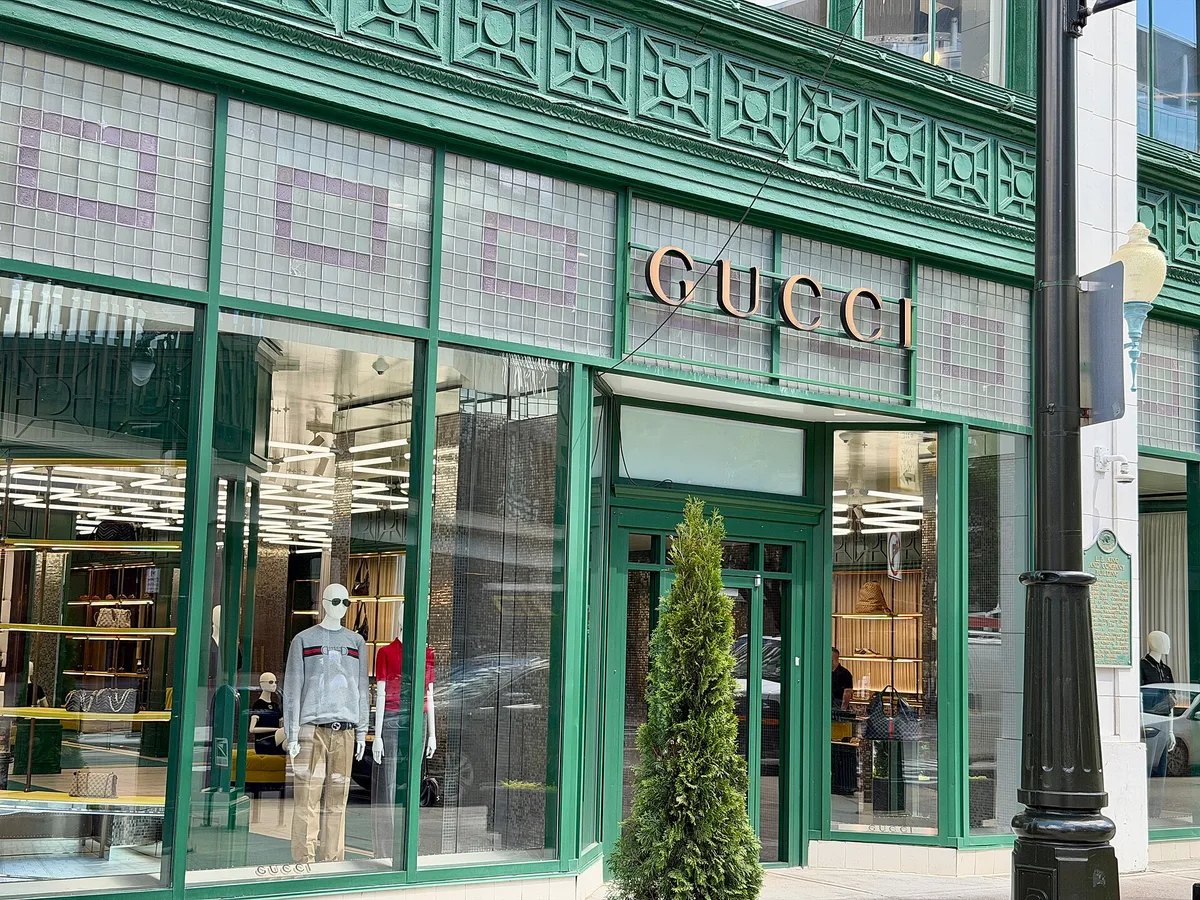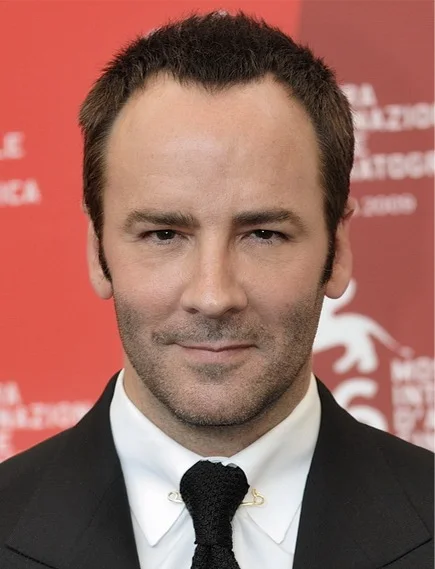
In 1994, Gucci was losing money and its glamour. Tom Ford — an American who had studied interior architecture at Parsons, acted in twelve television commercials and joined the house’s womenswear studio in 1990 — was promoted to creative director and, with CEO Domenico De Sole, rebuilt the company around velvet hipsters, low-cut satin shirts and advertising photographed like Helmut Newton outtakes. By the decade’s end, Gucci was a Designers powerhouse valued in the billions.
How did the Gucci turnaround actually work?
The method was ruthless editing. Ford cut the product lines from thousands of styles to a tight range, revived the monogram as a fashion statement instead of a luggage mark, and set the price architecture that made every store look the same from Milan to Tokyo. De Sole ran the business with the same discipline, and the two men’s partnership became the industry’s reference for what a creative director and a CEO can do in sync.
The group expanded around them: Gucci acquired Yves Saint Laurent in 1999 and put Ford in charge of its collections too — a workload that produced some of the most collected pieces of the nineties and, by his own account, a fatigue he does not hide.
What is the Tom Ford signature?
Control. The house he founded in 2005 with De Sole runs on the same architecture: a tight product range, a palette that never waivers, and advertising that looks like film stills. The menswear, launched with Zegna in 2007, became the uniform of a certain kind of power — and the beauty business with Estée Lauder, launched in 2006, grew into one of the most profitable licenses in beauty.
The films are the second act: A Single Man in 2009 brought Colin Firth the Volpi Cup in Venice, and Nocturnal Animals won Ford the Silver Lion for best direction in 2016. Both are structured like his collections — tight, controlled, lit to the inch.
What is the house doing now?
Ford chaired the Council of Fashion Designers of America through the pandemic, received an honorary knighthood in 2019 for services to fashion and film, and in April 2023 sold the Tom Ford brand to Estée Lauder in a deal valued at $2.8 billion, with Zegna Group licensed for fashion production. The read: the house that taught luxury the power of desire is now itself a luxury asset, managed by the people it trained.
What did the YSL years add?
When the Gucci Group acquired Yves Saint Laurent in 1999, Ford took creative direction of its ready-to-wear and perfumes alongside his Gucci role — a workload that stretched from 1999 to 2004 and produced some of the most collected YSL pieces of the period. The double tenure ended in April 2004, when control negotiations with the group’sPinault leadership concluded, and Ford and De Sole left together — the first time the industry had seen the pair’s model of creative-CEO partnership formalized, and the last until they reunited to build their own label.
The Tom Ford brand, founded in 2005, launched menswear with Zegna in 2007 — the Madison Avenue store opening was covered like a film premiere — and the beauty license with Estée Lauder grew from a single lipstick to a full color and fragrance line that now carries the brand’s largest revenues.
What is the film career?
A Single Man, his 2009 directorial debut adapted from Christopher Isherwood’s novel, brought Colin Firth the Volpi Cup for best actor in Venice and an Oscar nomination — a result no fashion designer’s film debut had produced. Nocturnal Animals, the 2016 follow-up adapted from Austin Wright’s novel, won the Silver Lion for best direction at Venice. Both films are structured with the discipline of his collections: a tight palette, controlled lighting, no wasted scenes.
The read: the design career and the film career run on the same skill — the ability to control what an audience sees and feels, frame by frame. The honorary knighthood he received in 2019 cited both careers in its citation.
What is the Ford cinematic language?
A Single Man, adapted from Christopher Isherwood’s 1964 novel, is structured as a single day in Los Angeles in 1962 — and the film’s color temperature shifts with the protagonist’s moods, a device that earned Colin Firth the Volpi Cup in Venice and an Oscar nomination. Nocturnal Animals, adapted from Austin Wright’s Tony and Susan, runs two stories in parallel with different palettes, and won the Silver Lion for best direction in 2016. Both films are controlled to the frame — the lessons of his collections applied to a new medium.
The beauty business followed the same discipline: the lip colors named after his films and his private references, packaged in white-and-gold casings that made the line instantly recognizable in a crowded market. The beauty license with Estée Lauder became the brand’s largest revenue stream — and the acquisition case that made the 2023 sale possible.
The read: Ford’s career argues that control is a creative act. The houses he has led, the films he has directed and the brand he built share a single operating principle: decide what the audience sees, and never waste a frame.
Frequently asked questions
What did Tom Ford do for Gucci? As creative director from 1994 to 2004, he led Gucci’s creative and commercial revival, turning a near-bankrupt house into one of the industry’s most profitable brands.
Did Tom Ford study fashion? He studied interior architecture at Parsons and worked as an actor in television commercials before moving into fashion — the design career began on the job at Gucci.
Who owns the Tom Ford brand now? Estée Lauder acquired the Tom Ford brand in 2023, licensing fashion production to the Zegna Group.