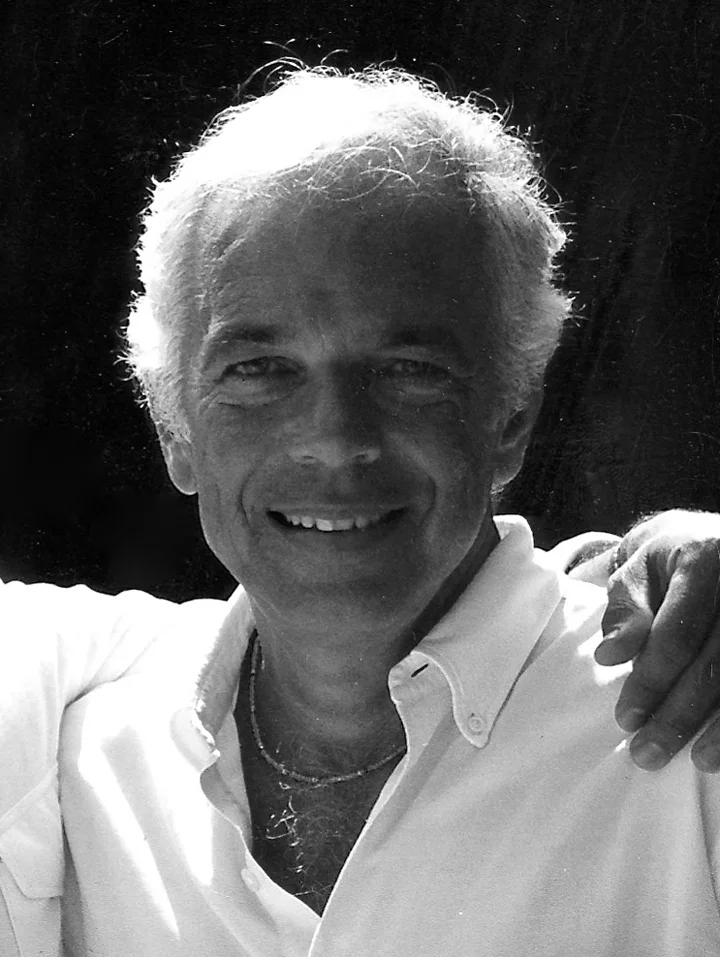
Ralph Lauren — born Ralph Lifshitz in the Bronx in 1939, to a family that had emigrated from Pinsk — was selling ties for a menswear manufacturer when he persuaded his employer to let him launch his own wide, handmade neckties in 1967, backed by a $50,000 loan. He named the line Polo. The tie shop became a house that now dresses the world’s idea of America — and the man who drew it still signs off every collection.
How did the house start?
The first year is the whole strategy in miniature: wide ties when the market wanted narrow, a name borrowed from a sport associated with old money, and a counter at Bloomingdale’s within twelve months. Menswear followed in 1968, the first women’s collection in 1971, and the Beverly Hills store in 1971 was the first standalone boutique any American designer had opened under his own name.
The Polo shirt arrived in 1972 in two dozen colors and became the most copied garment in American retail. The wardrobe kept expanding along the story: safari jackets, Western leather, tweed from the English countryside, the Purple Label for men and the Blue Label for women — each a chapter of the same country imagined at its best.
What is the Ralph Lauren signature?
Scenography. Lauren does not design clothes so much as rooms to wear them in — ranch lodges, Adirondack compounds, English manors — and his advertising campaigns have cast the same cast of faces for decades. The stores are staged as lodges and penthouses; the flagship mansions in New York and Paris are destinations for people who never buy a thing.
The company’s scale is the quiet fact: Polo Ralph Lauren went public in 1997, and the family took back majority control of the voting power in the 2010s to protect the long view. Lauren holds the titles of executive chairman and chief creative officer — and the honorary knighthood he received in 2019 came with the citation for services to philanthropy as much as to fashion.
What is the house doing now?
The current program is discipline: full-price sales, fewer doors, the restored mansions, the car collection exhibited for charity, and a campaign calendar that treats the American West and Manhattan with equal seriousness. The foundation’s cancer research — funded since 1989, after Lauren’s friend and mentor died of the disease — remains one of fashion’s largest philanthropic commitments.
The read: every direct-to-consumer label now sells a world before a product. Lauren wrote that playbook before the term existed — and the house still shoots the campaign himself, from his own photograph.
What did the Hollywood years add?
The film work made the brand’s story visible: Lauren dressed Robert Redford and Mia Farrow for The Great Gatsby in 1974, and Diane Keaton’s entire Annie Hall wardrobe in 1977 — a look so complete it escaped the film and became street style. The lesson he took was that costume is storytelling, and the stores have been telling stories ever since: the flagship mansions in New York and Paris, the restored ranch in Colorado, the Carmel-by-the-Sea shop built from a 1900s building.
The car collection — one of the finest in private hands, from Bugattis to Ferraris — is displayed in the same spirit: the objects of a life well lived, curated. The brand’s world has always been cinematic before it is commercial.
What is the company’s structure?
Ralph Lauren Corporation trades on the New York Stock Exchange under the RL ticker, but the family holds the majority of voting power — a control structure Lauren negotiated in the 2010s after a period of public-market pressure nearly pushed the brand into a discount spiral. He pulled the distribution back from department stores, cut the product lines, and restored full-price discipline — a turnaround business schools now teach.
The company’s philanthropy runs at the same scale: the Ralph Lauren Center for Cancer Care in Harlem, founded with Memorial Sloan Kettering in 2003, and the Pink Pony campaign, funding cancer care for underserved communities since 2000.
What is the Ralph Lauren signature?
The clothing is the vehicle; the vision is the product. Lauren’s American style is a collage — the English aristocrat’s tweed, the Western rancher’s buckle, the Ivy Leaguer’s loafer, the Hollywood movie star’s evening gown — assembled into a single wardrobe that never existed in any one place but feels instantly familiar. The Polo shirt of 1972, in two dozen colors, became the most imitated garment in American retail; the Pony logo on the chest was a marketing decision that turned a commodity into a badge.
The craftsmanship followed the myth: Purple Label tailoring made in Italy, RRL Western wear cut from vintage patterns, the Double RL line woven on period looms. The houses’s runway shows, resumed after years of presentations, treat the American West and Manhattan penthouses as equal stages — and the campaigns are still shot from Lauren’s own photographs.
The read: the house does not chase trends; it curates a country. The consistency is the business model, and the current leadership treats it as the product roadmap.
Frequently asked questions
What was Ralph Lauren’s first product? A line of wide, handmade ties sold in 1967 under the Polo label, financed by a $50,000 loan from the suit maker Norman Hilton.
Is Ralph Lauren a real person? Yes — born Ralph Lifshitz in the Bronx in 1939, he changed his surname to Lauren with his brother in the mid-1950s and remains the company’s executive chairman and chief creative officer.
Does the Lauren family still control the company? Yes. Ralph Lauren Corporation trades publicly, but the family holds the majority of voting power and Lauren remains executive chairman and chief creative officer.