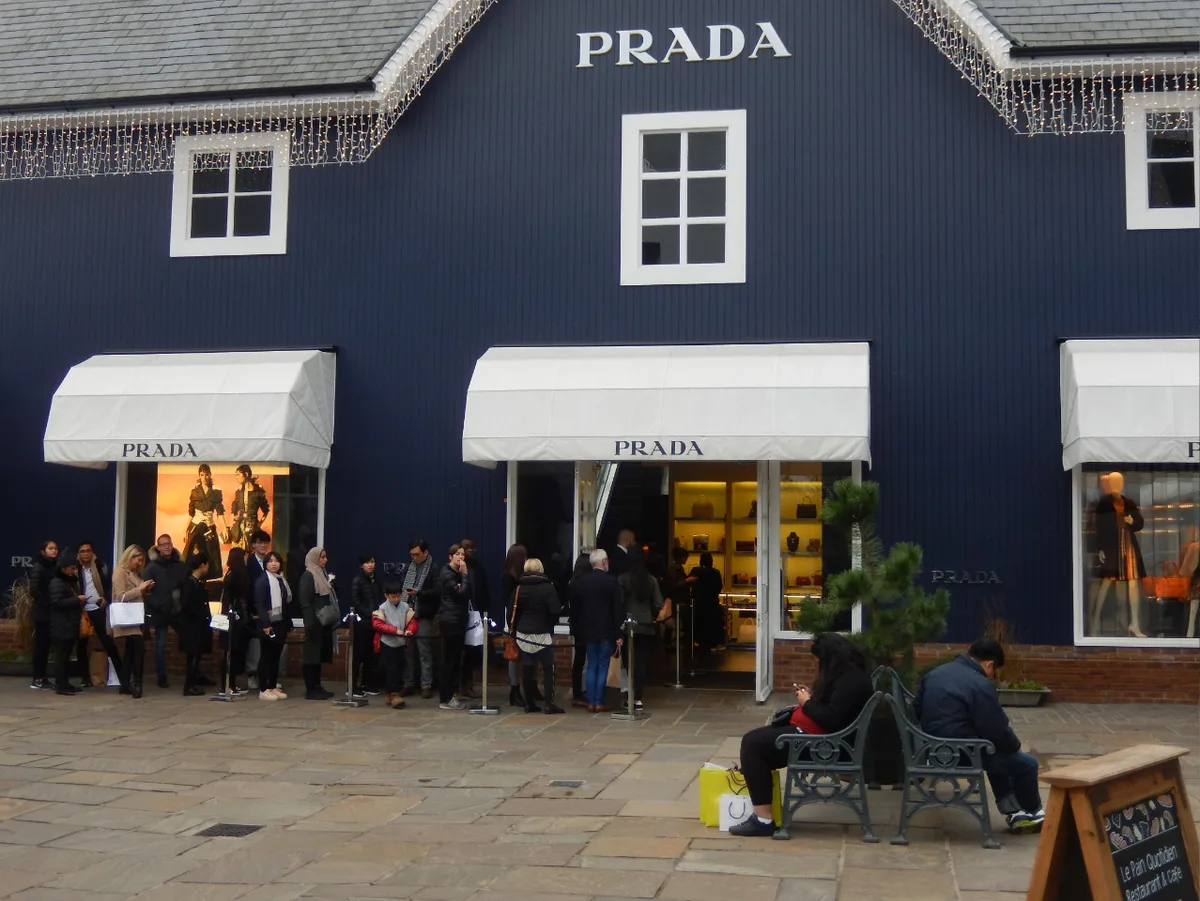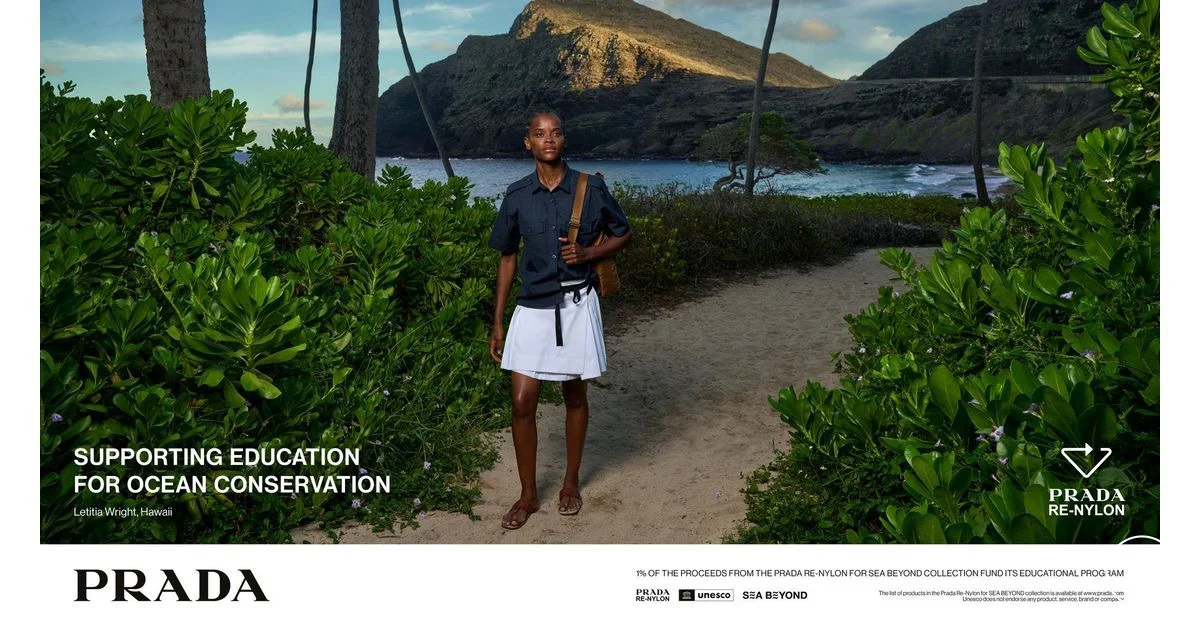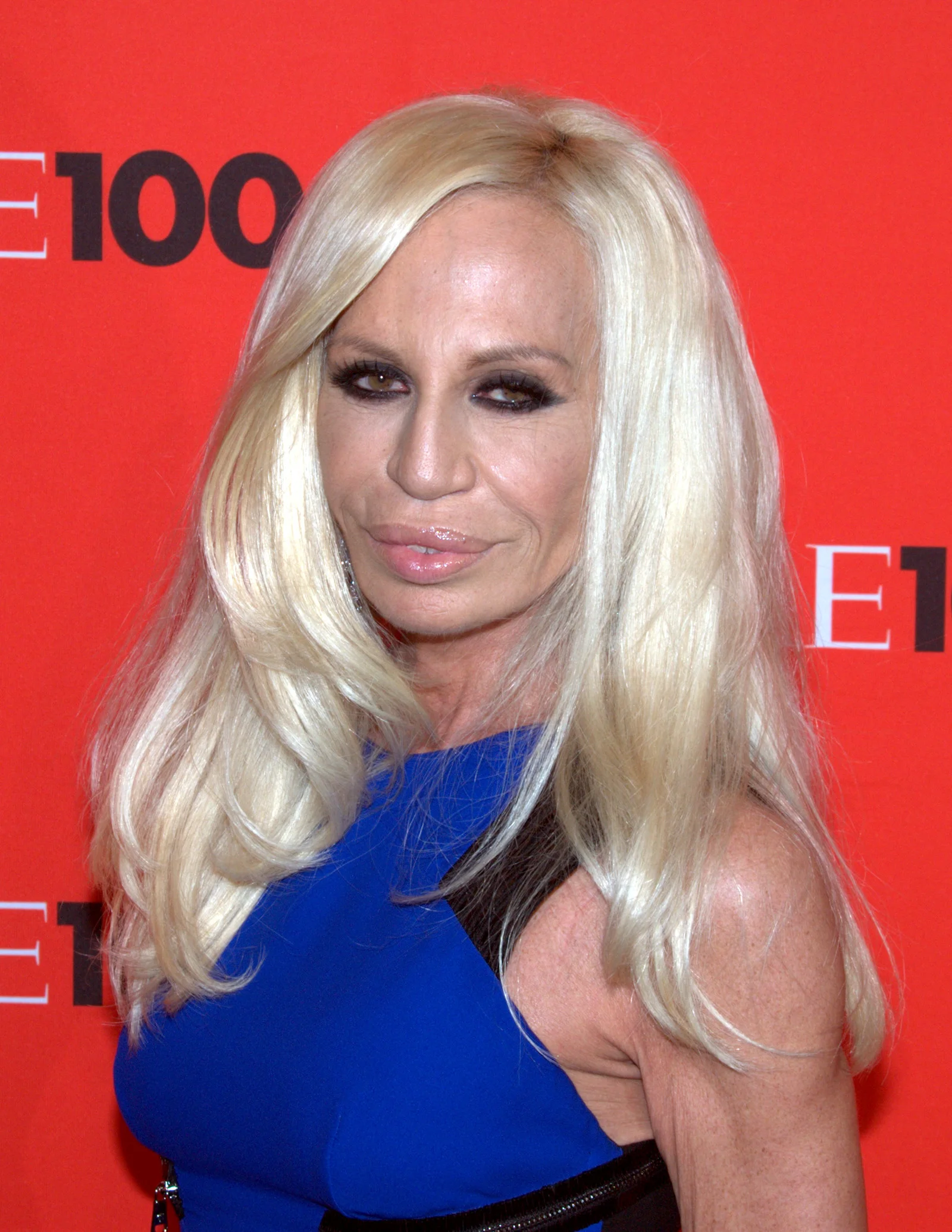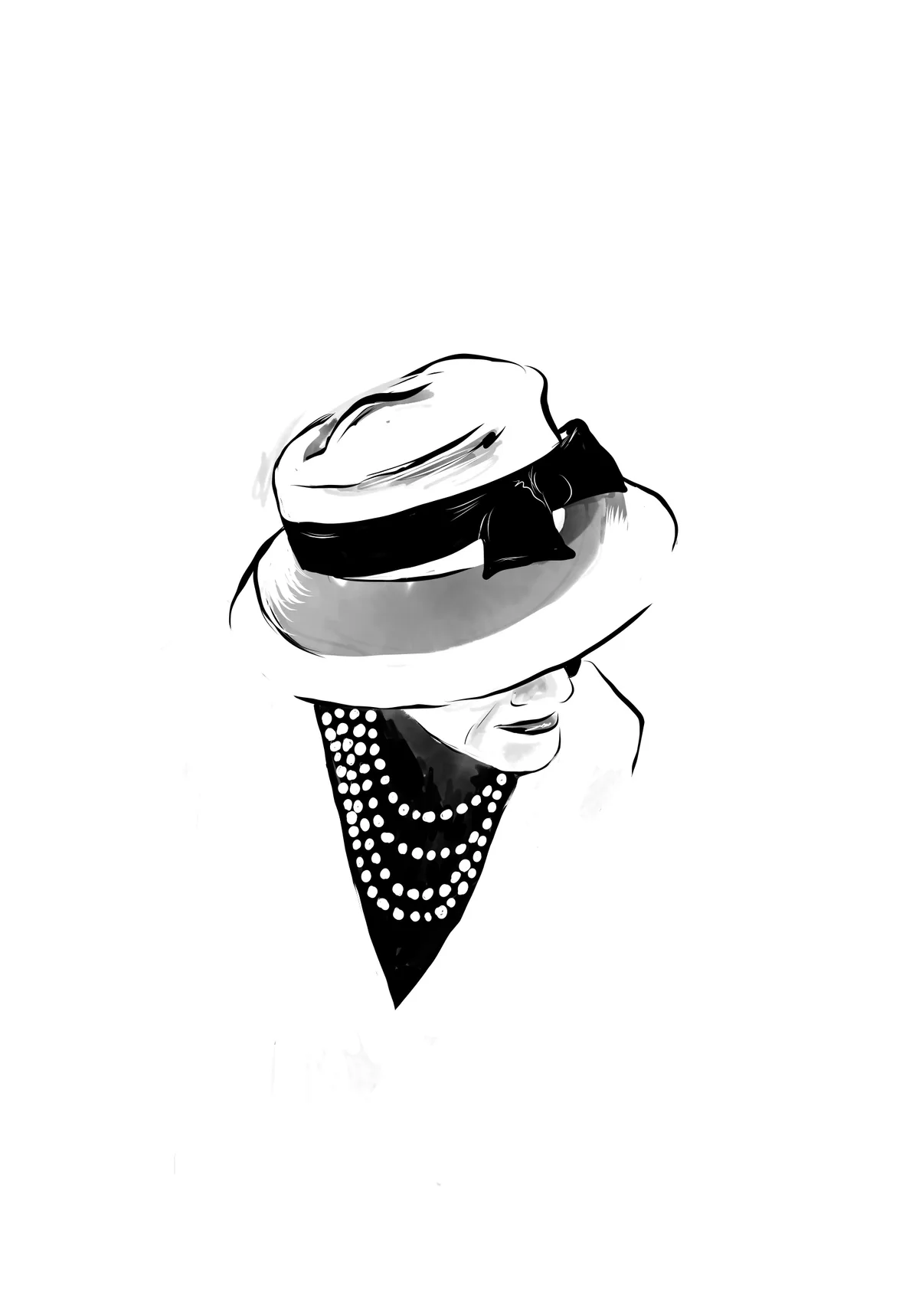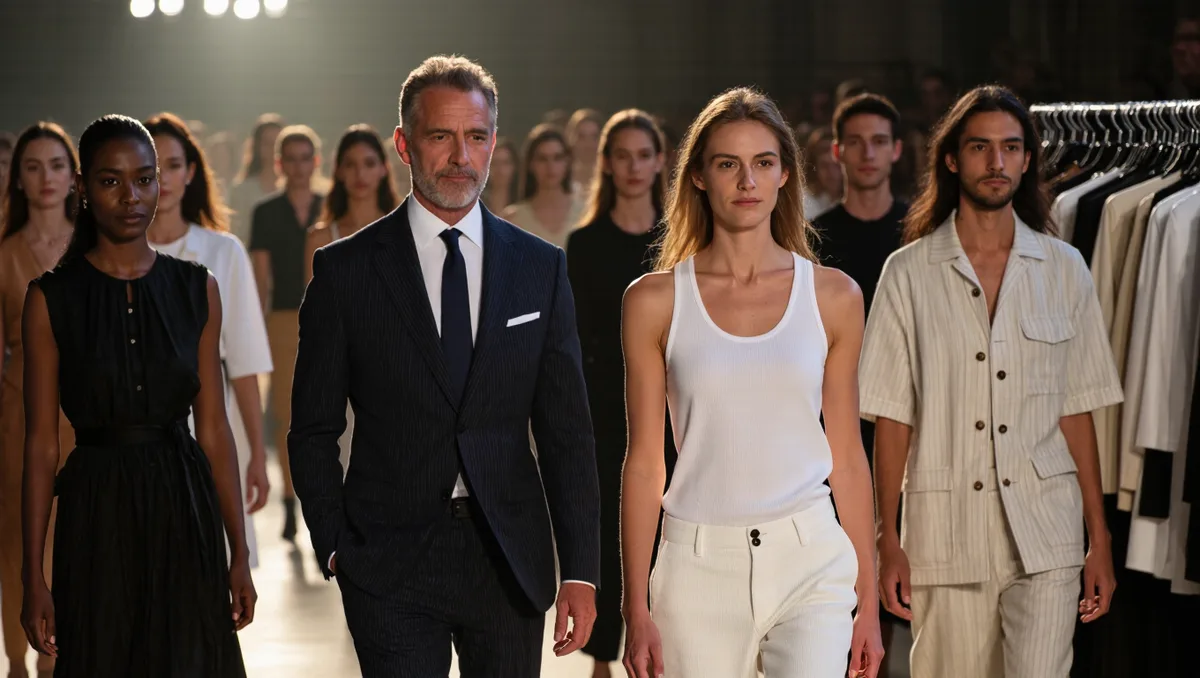
Miuccia Prada took control of her family’s Milan leather-goods house in 1978 with a political science degree, five years of mime training and a membership card in the Italian Communist Party. The industry expected a caretaker. What it got was the designer who proved that fashion could carry ideas without losing money — and the house that now anchors Italian luxury alongside LVMH’s best.
What did she inherit — and what did she break?
The business was founded in 1913 by her grandfather Mario Prada as Fratelli Prada, a leather-goods house supplying the Milanese aristocracy. Miuccia — born Maria Bianchi, renamed after her mother’s favorite aunt — joined in 1978 and ran the accessories side with her partner Patrizio Bertelli, whom she later married.
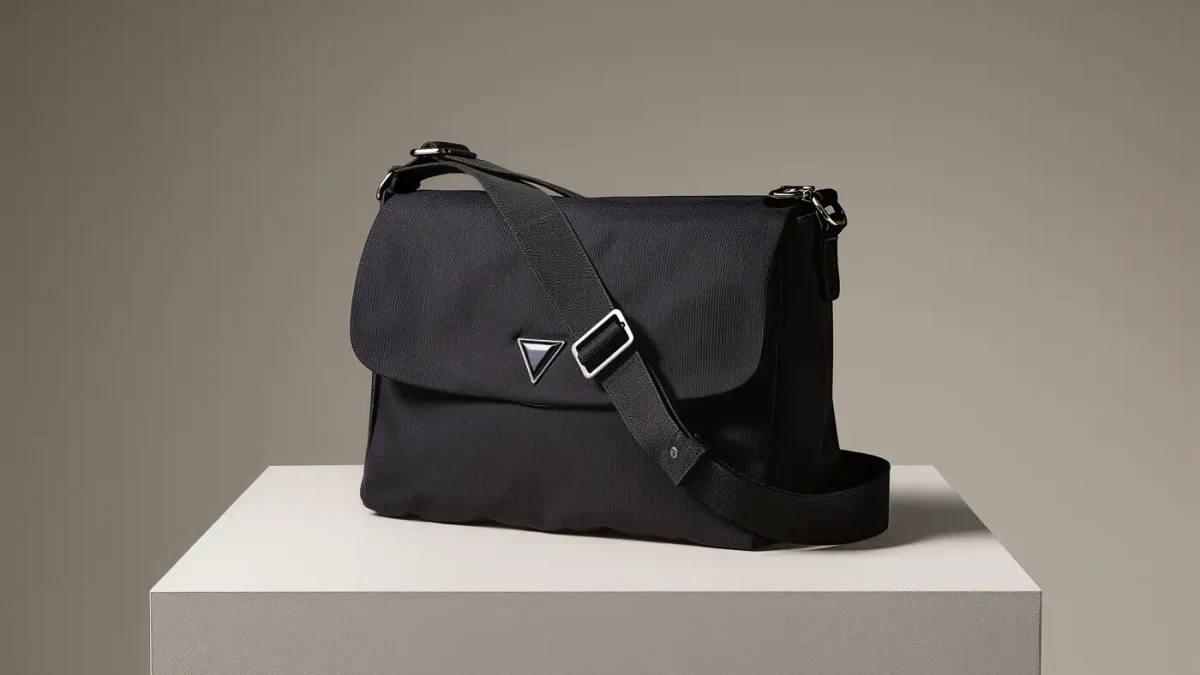
The break came in 1984, when the house introduced backpacks and totes in Pocone nylon — an industrial fabric no luxury house would touch. The bags sold, the press called it ugly-chic, and the design argument that still drives the house was on record: luxury is what the market is not ready for.
What is the Prada signature?
Intellectual prints, librarian collars, nervous hemlines, the beautifully wrong accessory — Prada’s collections read like essays on taste and its problems, which is why they are argued about for a decade after. Miu Miu, founded in 1993 under her childhood nickname, carries the same instinct at a younger register and has become a cultural engine of its own.
The Fondazione Prada, housed since 2015 in a Rem Koolhaas-transformed brewery in Milan, made the institutional case: the house treats contemporary art, cinema and philosophy as part of its supply chain.
What is the house doing now?
Since 2020, Raf Simons has co-signed the collections as co-creative director, and the two present jointly — a structure no other major house has attempted at this scale. Bertelli runs the industrial side; the group remains one of the few large independents in Italian luxury, publicly listed in Hong Kong since 2011.
The read: Prada’s system — ideas first, product second, commerce trusted to follow — is the reason the house survives trend cycles that erase its competitors. The next collections will be read the way the previous ones were: as arguments about taste, not as trend reports.
What does the Fondazione Prada do?
The foundation Miuccia Prada and Patrizio Bertelli established in 1993 moved into its permanent Milan home in 2015 — a Rem Koolhaas transformation of a 1910s brewery, with new exhibition space in gold and mirrored cladding. The program runs contemporary art, cinema and philosophy, and the house treats it as the research wing of its own taste: the exhibitions the foundation stages inform the collections the way trend agencies inform other houses.
The group’s scale confirms the strategy worked. Prada listed on the Hong Kong Stock Exchange in 2011, and the group now includes Miu Miu, Church’s and the food brand Marchesi 1824 — with revenues that survived every trend cycle the nineties and two-thousands produced.
What is the Prada look, precisely?
The houses that imitate Prada copy the surface — the prints, the nylon — and miss the method: every collection is an argument about taste, usually a contrarian one, delivered with the confidence of a house that does not need the customer’s permission. The 1988 ready-to-wear debut set the pattern: uniform-ish, intellectual, deliberately difficult, and commercially wrong in a way that became commercially right.
The nylon remains the founding argument: a fabric associated with military kits and cheap luggage, treated with the finishing and the price of luxury. The rest of the codes — the triangle logo, the librarian shoes, the printed skirts that quote Abstract art — extended the argument into a full wardrobe.
What does the Fondazione Prada program look like?
The Milan venue, opened in 2015 across a Rem Koolhaas-transformed brewery, runs contemporary art, cinema, and a program of lectures and performances that reads like a research institute. The Venice venue, Ca’ Corner della Regina, hosts exhibitions that tie the house’s taste in art to its taste in fashion. The foundation is funded independently of the commercial calendar — a structure that keeps its program credible — and the cinema space screens restored classics alongside new commissions.
The read: the foundation is the house’s long game — the proof that Prada’s taste extends past the product into the culture that explains it. No other Italian luxury house has built an institution of comparable ambition, and the fashion press now reviews the foundation’s shows the way it reviews the collections.
The house’s intellectual supply chain runs through the foundation: the artists, curators and writers it platforms become the references the collections quote. The system is the point — a luxury house that funds its own cultural context is a luxury house that cannot be reduced to a logo.
The 1988 ready-to-wear debut set the house’s pattern for good: uniform-inspired separates, intellectual prints borrowed from art movements, and a deliberate difficulty that made the clothes a test of the wearer’s confidence. The industry’s response was slow, then total — by the mid-nineties, Prada was the house the fashionable world watched for ideas rather than for trends, and the nylon accessories had become the most recognizable luxury products of the decade.
The read: the intellectual framing was not a marketing position but a design method. Every collection argues a thesis — about femininity, about taste, about the relationship between beauty and difficulty — and the argument is the product’s value proposition.
Frequently asked questions
Is Miuccia Prada a trained designer? No — she read political science at the University of Milan and performed as a mime for five years before joining the family business in 1978.
Where does the name Miu Miu come from? Miu Miu, founded in 1993, takes its name from Miuccia Prada’s own childhood nickname — the younger, more rebellious wing of the house.
Who is Prada’s co-creative director? Raf Simons joined Miuccia Prada as co-creative director in 2020, and the two present jointly signed collections.