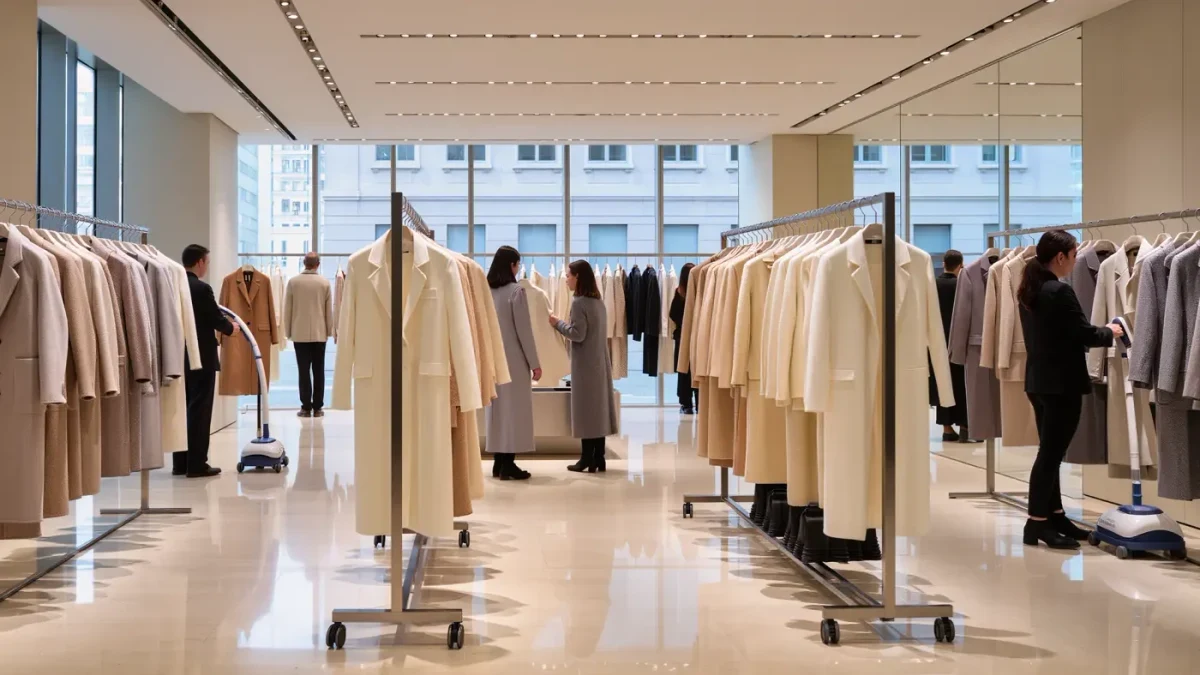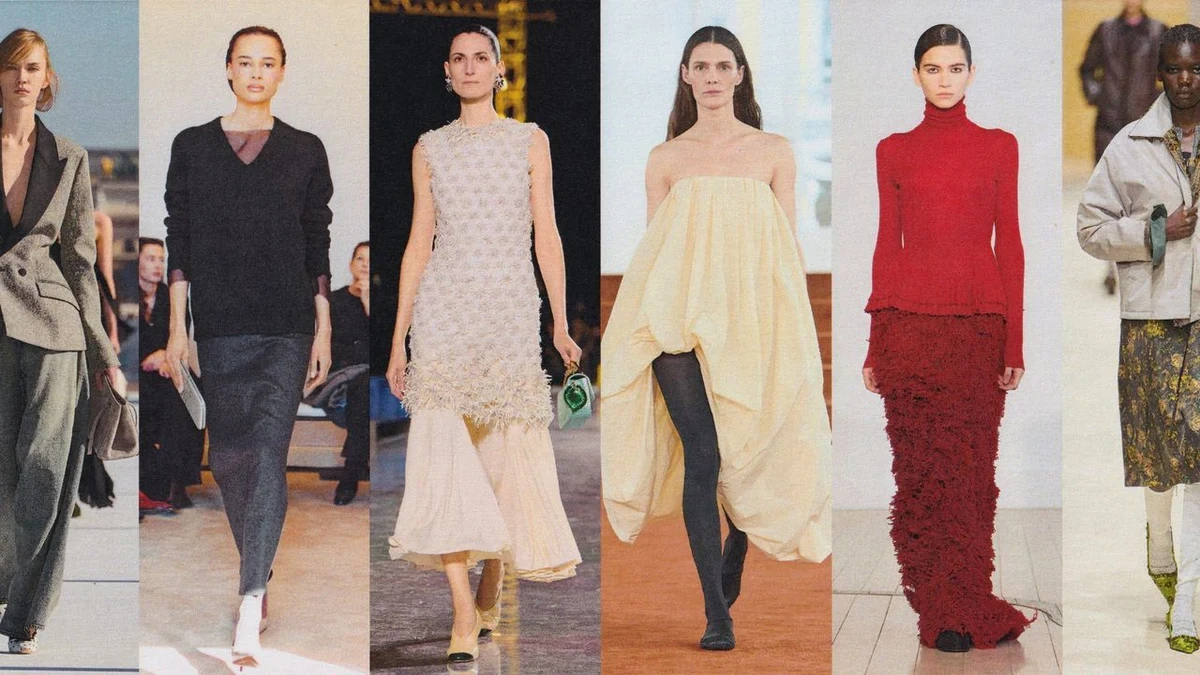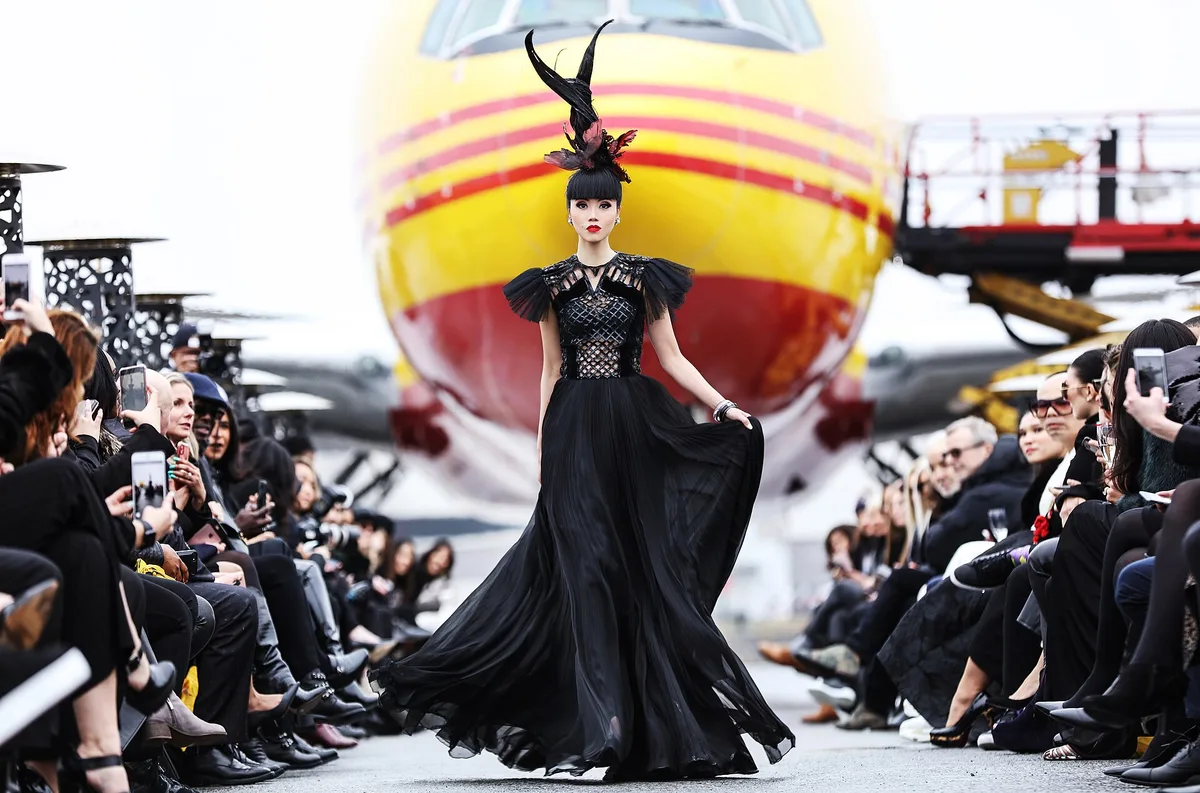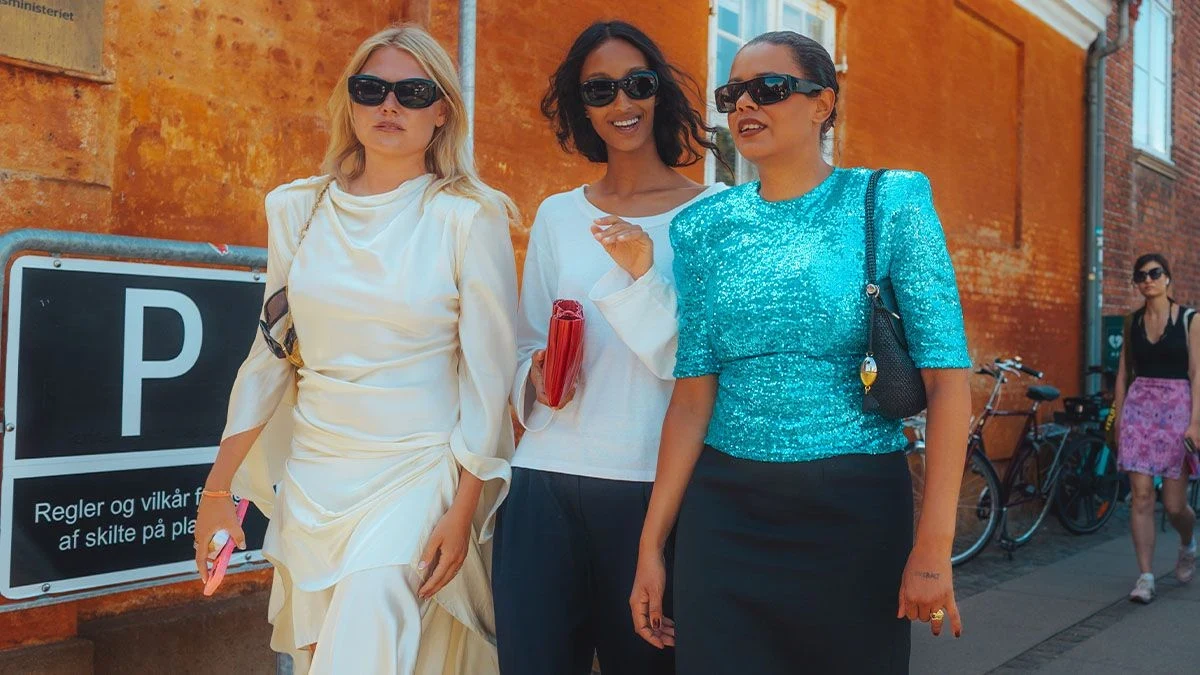
Luxury resale has moved past the thrill of finding a deal. In 2026, the secondhand market is starting to look less like a bargain bin and more like a live archive: part retail floor, part investment chart, part cultural memory bank. As Vogue Business recently reported, shoppers are becoming sharper about provenance, condition, brand history, and the difference between an old logo and a genuinely good piece.
That shift matters because luxury fashion has spent years teaching customers to chase newness. The resale customer is doing something more complicated. She is comparing eras, studying silhouettes, reading hardware, checking fabric composition, and deciding whether a jacket from five seasons ago says more than the one currently hanging in a boutique window.
Why The Closet Became The Archive
The smartest resale buys now depend on taste as much as access. A Celine coat, an old Prada nylon piece, a Tom Ford-era Gucci dress, or a Phoebe Philo-era bag carries a story that a brand-new item may not have earned yet. The purchase becomes less about status in the obvious sense and more about fluency: knowing why something matters.
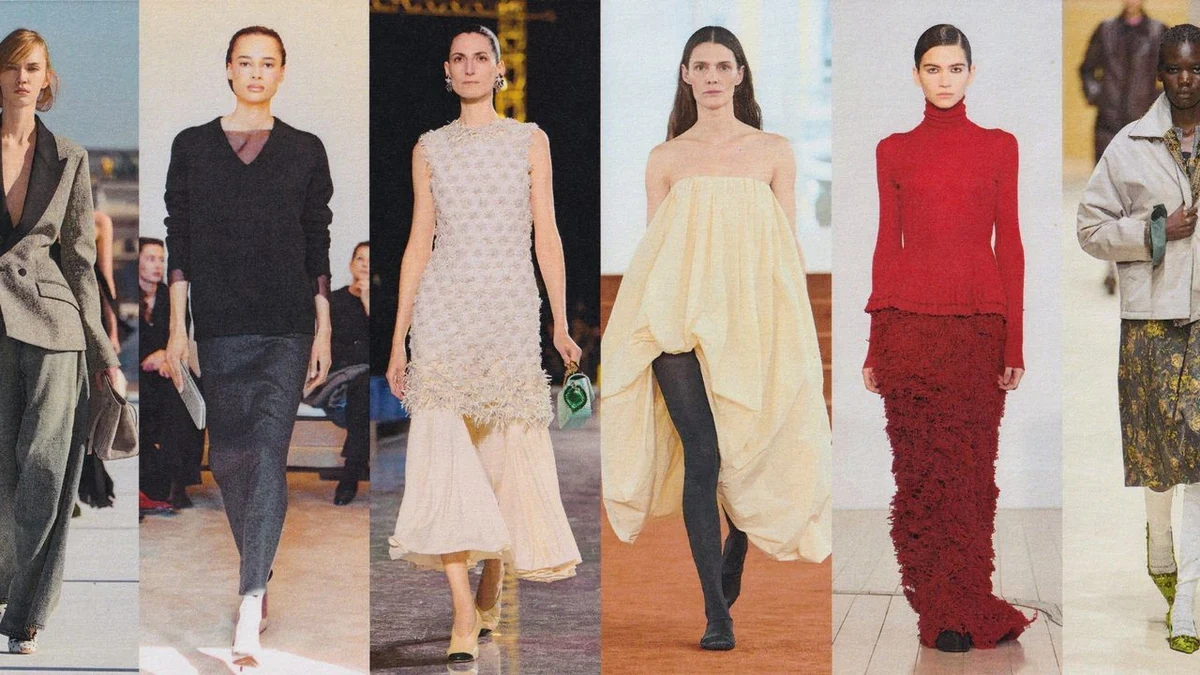
For fashion editors, this is one reason resale keeps turning up in trend conversations. It connects naturally to the larger return of personal styling, the kind of dressing 24Fashion has been watching through stories like our Milan Fashion Week Fall/Winter 2026 report. The best wardrobes right now do not look bought all at once. They look edited over time.
Brands will have to adjust to that reality. If customers are learning how to read archives, they are also learning how to spot weak product. A logo cannot carry a bag forever. A seasonal color cannot hide poor proportion. In the resale era, the old work keeps speaking, and sometimes it speaks louder than the new campaign.