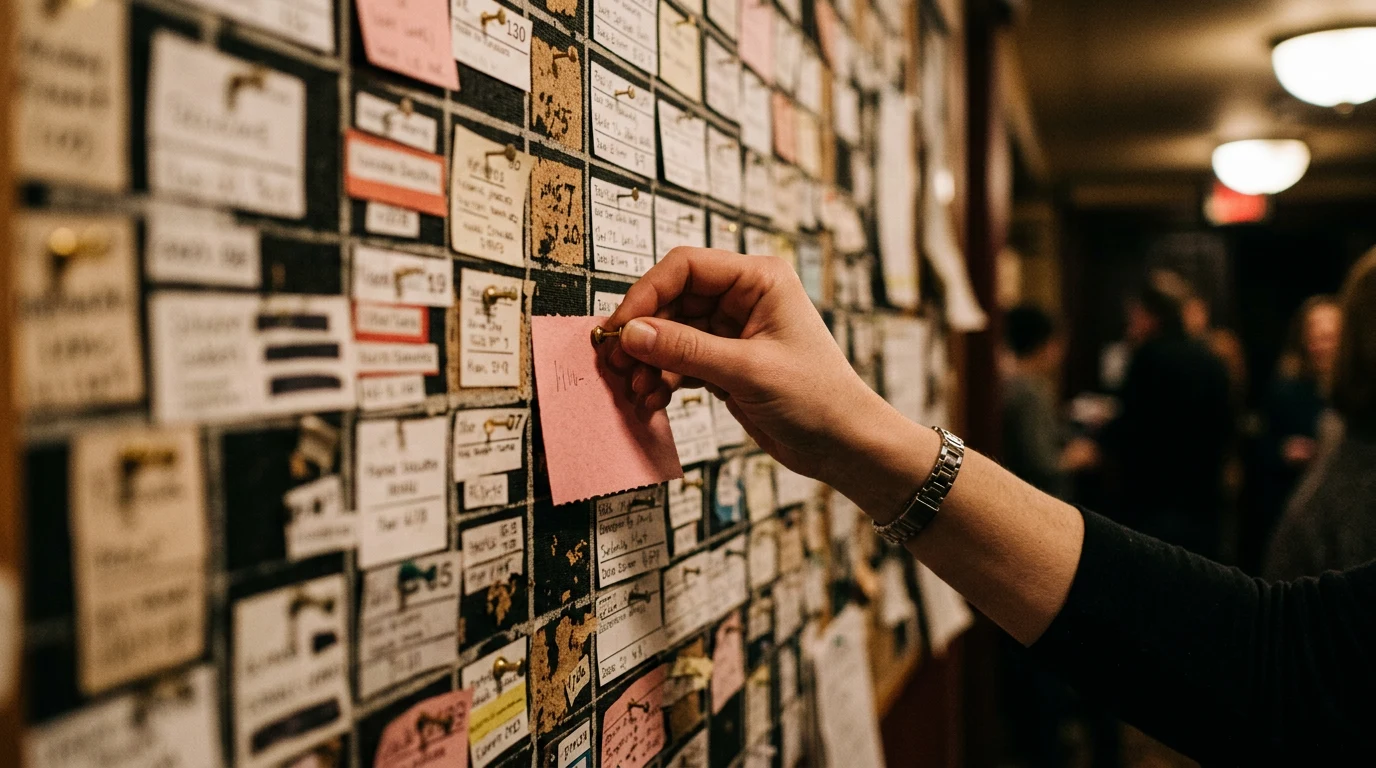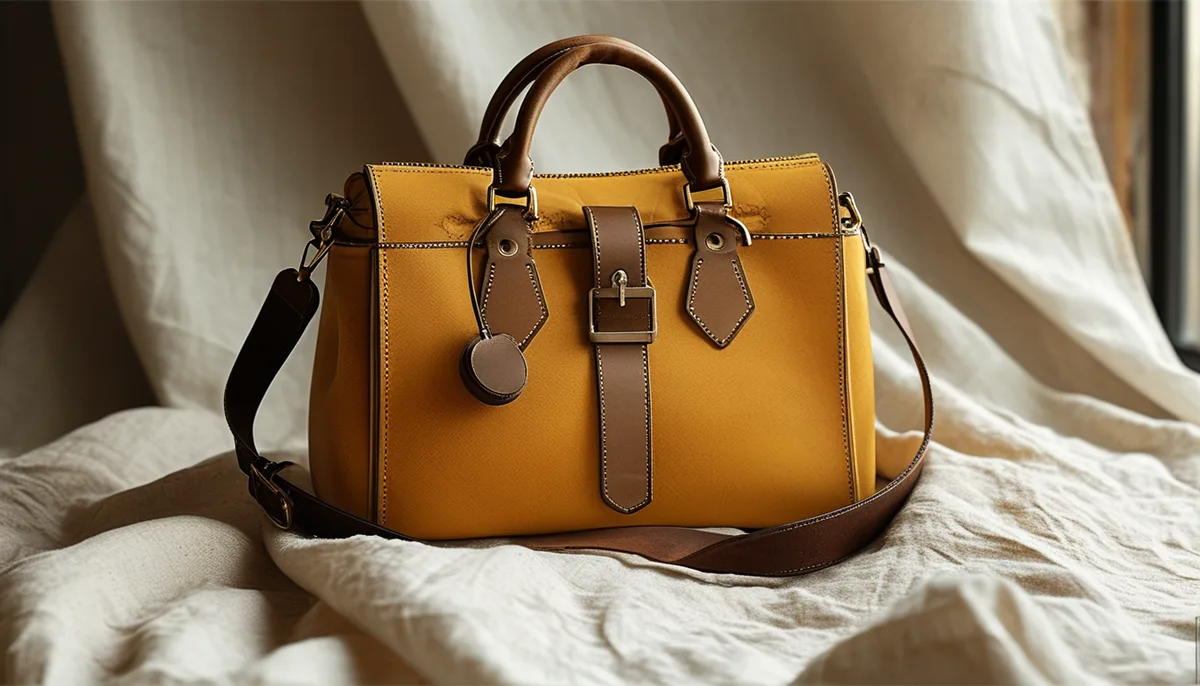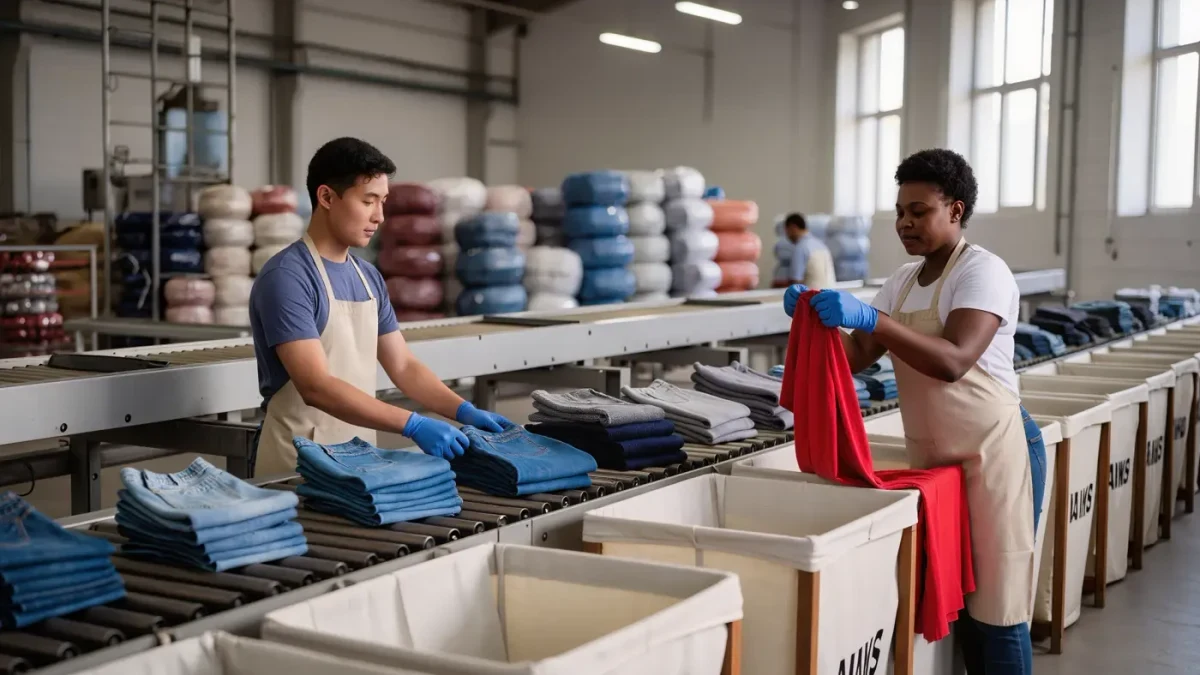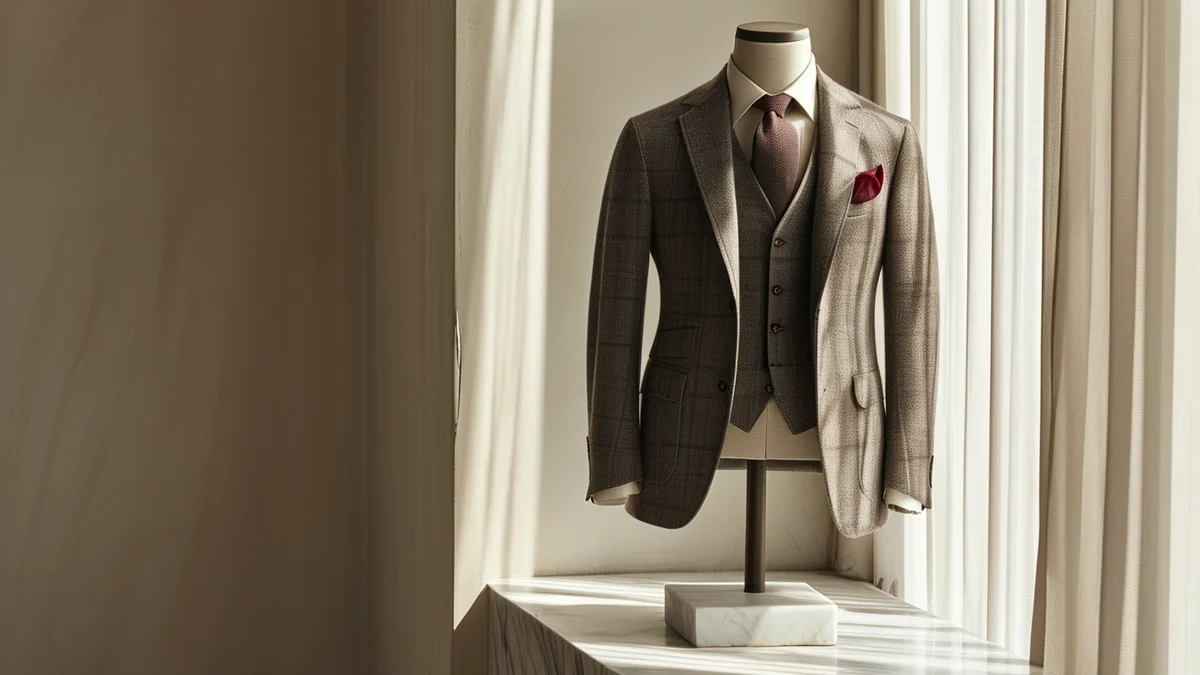
Two dresses can look almost the same and sit at very different prices. One was sketched, refined, and shown on a runway months ago. The other appeared in stores weeks after the trend it copies. That gap is not just markup. It is two different ways of making clothes.
Define the cheaper end first. Fast fashion is a business model where companies quickly create and sell clothing at affordable prices. They do it by replicating the latest trends with cheap, fast mass production, according to Wikipedia's fast fashion entry. The designer end moves slower. The industry used to run a four-season cycle. Designers worked months in advance to guess what customers would want, per the same entry. Speed is the difference you can see. Everything else follows from it.
Speed Is the Whole Business
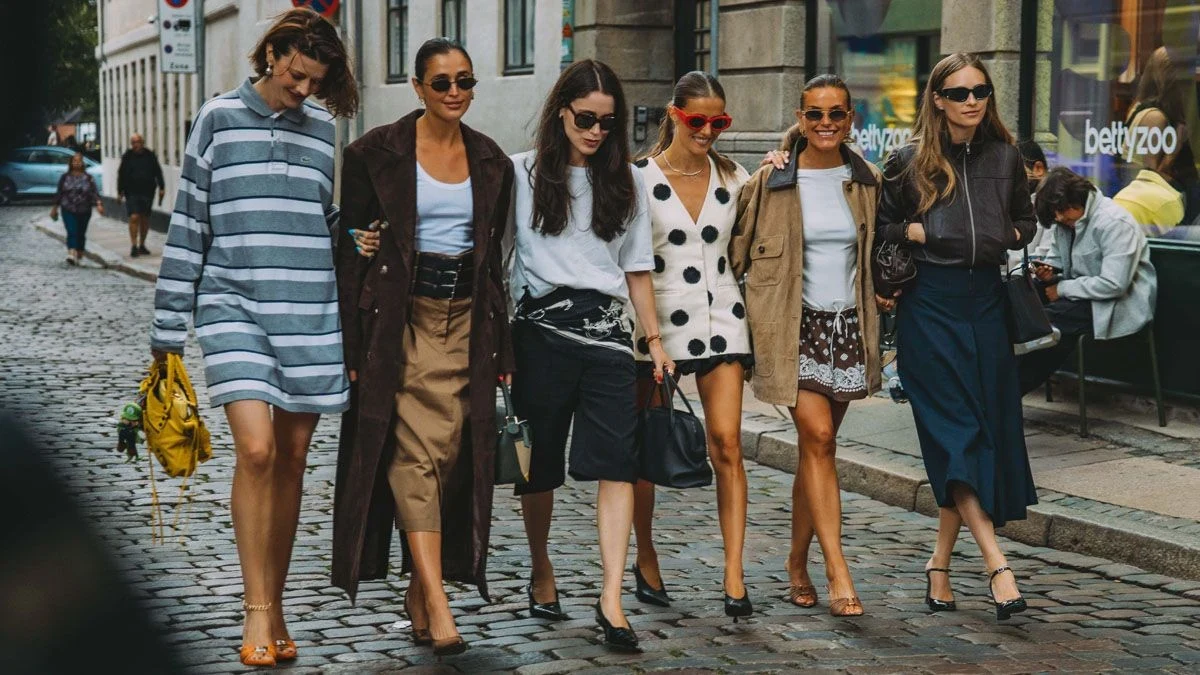
Fast fashion brands chase one thing: speed to market. They aim to put popular styles on sale fast, at a lower price than their competitors, per Wikipedia. Their tools are optimized supply chains and quick response manufacturing methods. They produce in small batches and adjust output based on sales. They also spend heavily on marketing, especially on social media, using influencers to push the brand. A low price at the rack is the result of that machine. Every step behind it is engineered for speed and volume.
The Designer Price Buys the Original
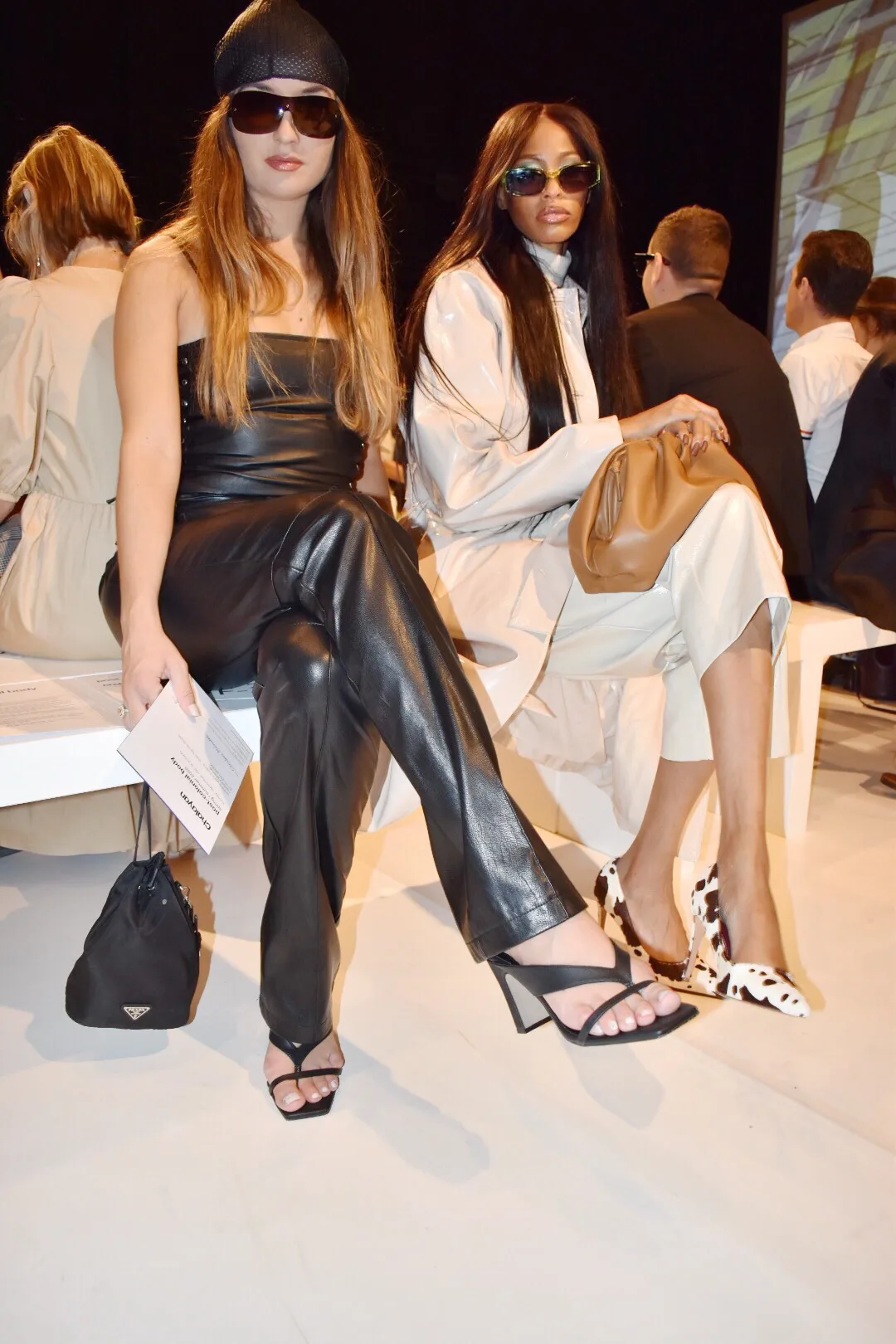
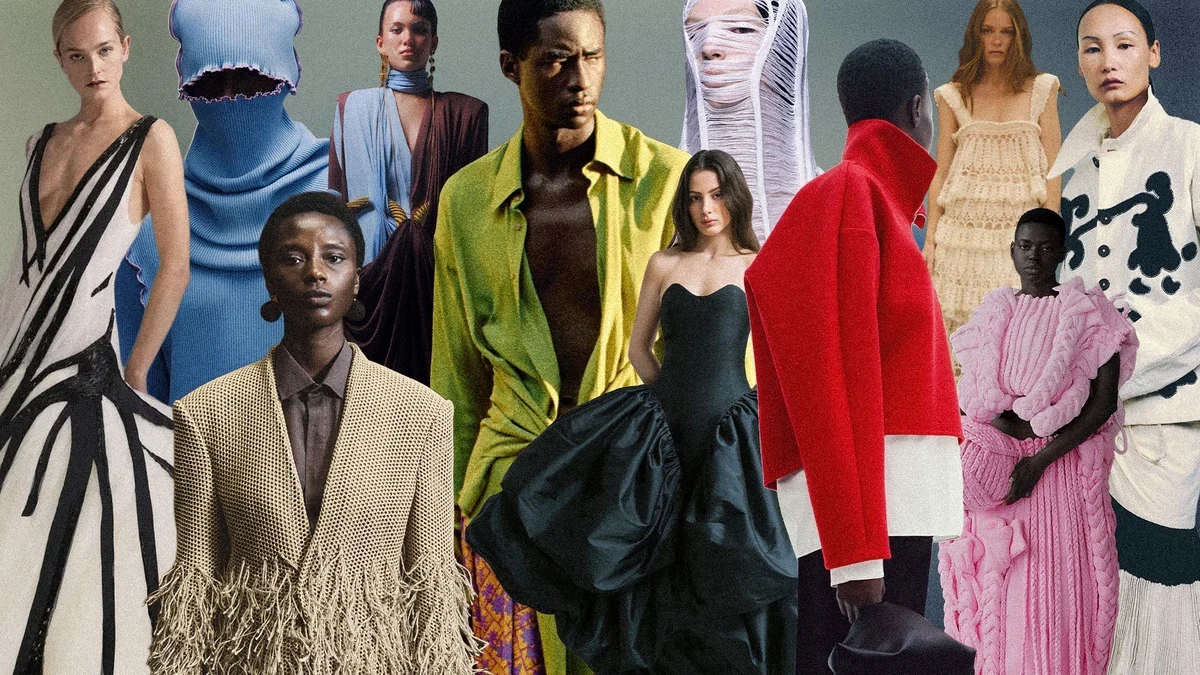
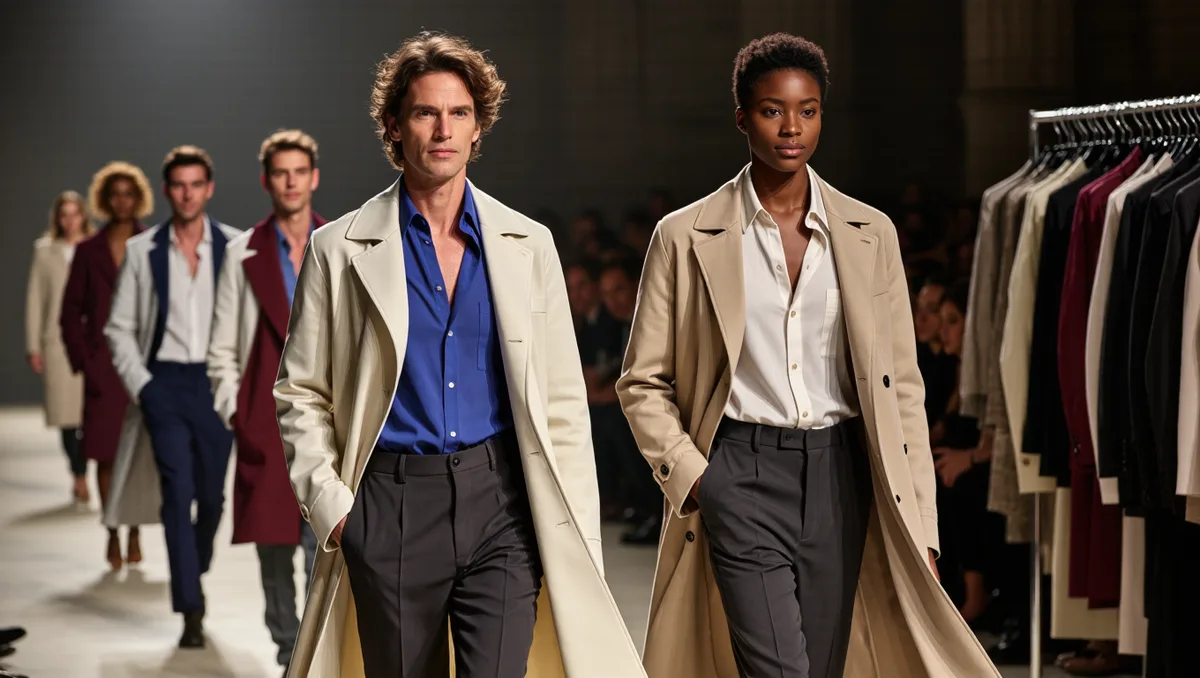
So what does the designer side earn? Start with authorship. Fashion shows present the latest seasonal styles. They act as a walking art exhibition. They also serve as a blueprint for fast fashion stores that copy high fashion designs, according to Wikipedia's fashion show entry. The runway creates. Fast fashion replicates. When you buy the original, you pay for the design work and the craftsmanship in each piece. You also pay for the months of development before a single look reaches the catwalk.
The Hidden Cost of Cheap Clothes
The fast model carries costs that never reach the price tag. As of 2026, 36% of clothing purchases worldwide are fast fashion, per Wikipedia. The market is estimated at $178 billion in sales per year. The model pushes people to buy more and replace items faster. The United Nations Environment Programme reports that consumers buy roughly 60% more clothing than in the past, according to Wikipedia. We keep each garment about half as long. The same source says one truckload of discarded textiles is landfilled or incinerated every second. A 2020 scientific review added more. It estimated the industry makes over 92 million tonnes of waste a year, per Wikipedia. It also uses about 79 trillion litres of water annually, according to Wikipedia. Synthetic fabrics shed microplastics as well. The European Environment Agency estimates that 200,000 to 500,000 tonnes of microplastics from textiles enter the sea each year, according to Wikipedia.
So What Should You Buy?
Neither side is going away. The smarter question is what each purchase is for. The industry's own sustainability push offers a clue. Designers have been asked to cut their total number of collections and make more durable garments that last longer and waste less, per Wikipedia's fashion week overview. Buyers were encouraged to purchase fewer, longer lasting pieces. Bring that logic home. Put your money into well-made pieces you will keep for years. Treat trend-driven items as the disposable layer they are. That way fast fashion does what it does well, and designer quality does what it does best.
Conclusion: Speed or Staying Power
Fast fashion sells speed: the newest look, the lowest price, the shortest wait. Designer fashion sells staying power: original design, craft, and clothes made to be worn for seasons. Neither price tag is an accident. Decide what a given purchase is actually for. Then the gap between the two windows stops being confusing. It becomes a choice. This connects to our earlier piece, Florida Men’s Fashion Week 2026 Returns to Miami With Menswear, Art, and Culture Across Two Days.