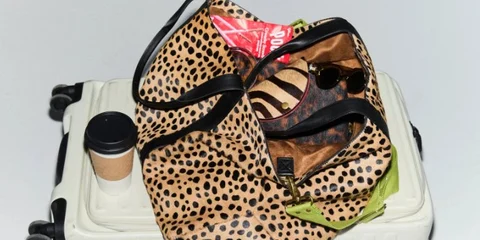
Two bags can hold the same phone, keys, and lipstick. One costs about as much as a nice dinner. The other costs as much as a used car. The gap confuses a lot of shoppers, and it is easy to assume the cheap one is a rip-off or the dear one is a scam. Neither is quite true.
A handbag price is built in layers. Some layers are physical, like the hide and the hardware. Some are pure story, like the name stamped on the front. Here is how the stack comes together. Readers following this should also see Paris Fashion Week’s New Names Signal a Wider Global Runway.
Start With the Material
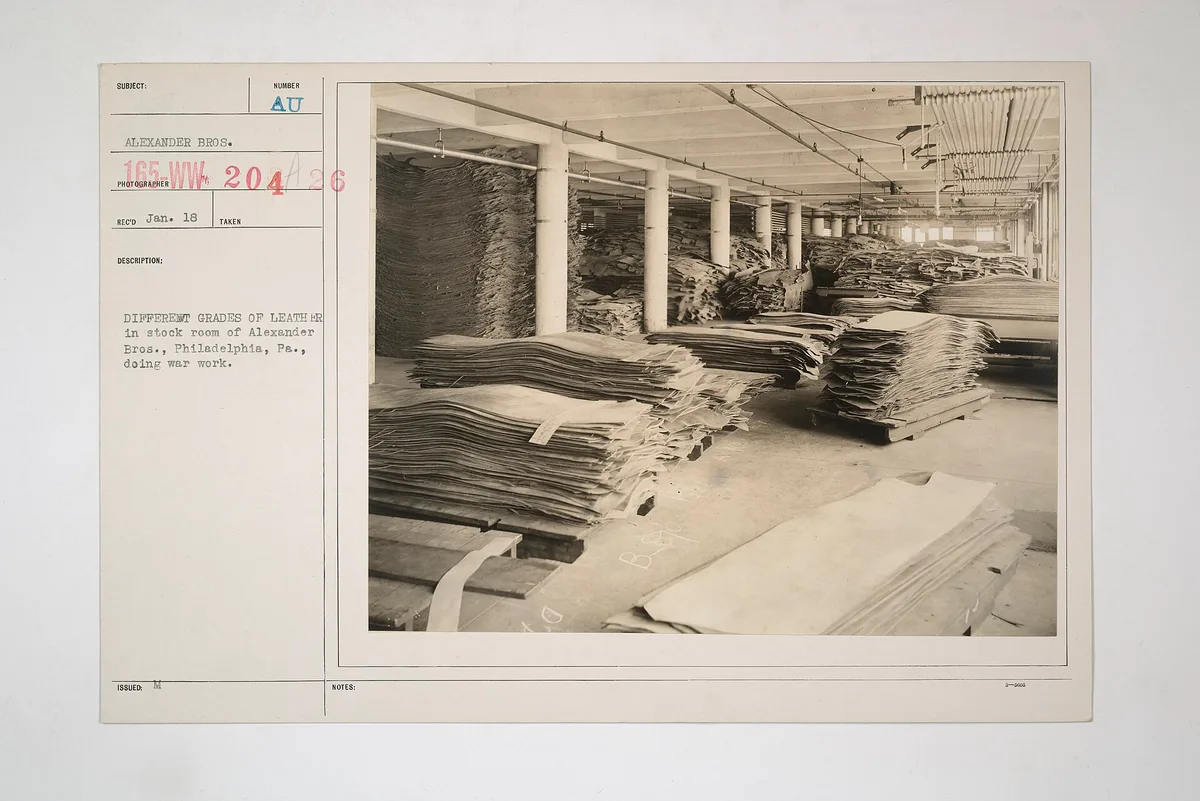
Leather is still the anchor of most classic bags. It is made by tanning animal skins so they will not decay, and leather making is an ancient craft. Tanning works by stabilizing the proteins in a raw hide, so the finished sheet stays soft and strong instead of drying stiff or rotting away. The type of leather chosen for a bag shapes both its cost and its life.
Grades matter here. Full-grain leather keeps the entire outer layer of the hide and is usually seen as the highest quality. It develops a patina over the years instead of wearing out. Corrected grain leather gets sanded and embossed to hide flaws, which makes it look more even but strips away some strength. Split leather and bonded leather cost far less, and bonded versions glue scraps onto a fiber mesh. Watch out for labels, too. The phrase genuine leather does not point to any specific grade. Good leather, cared for, lasts for decades. That durability is part of what you pay for.
Craft, Hardware, and Finishing
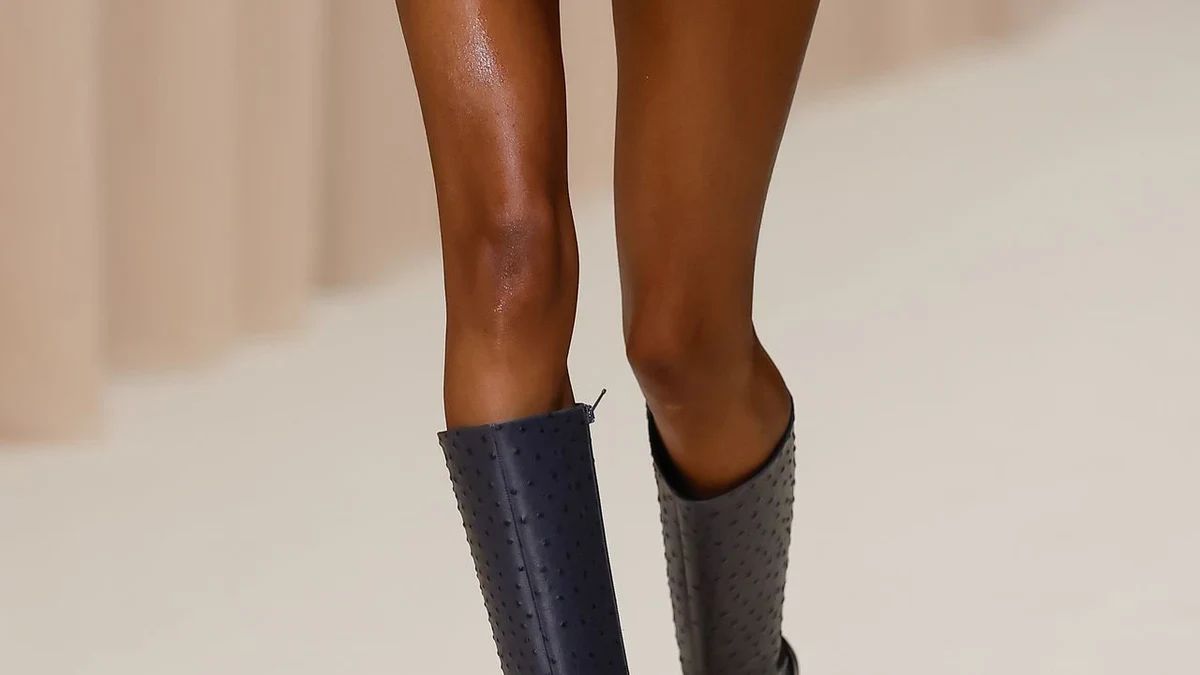
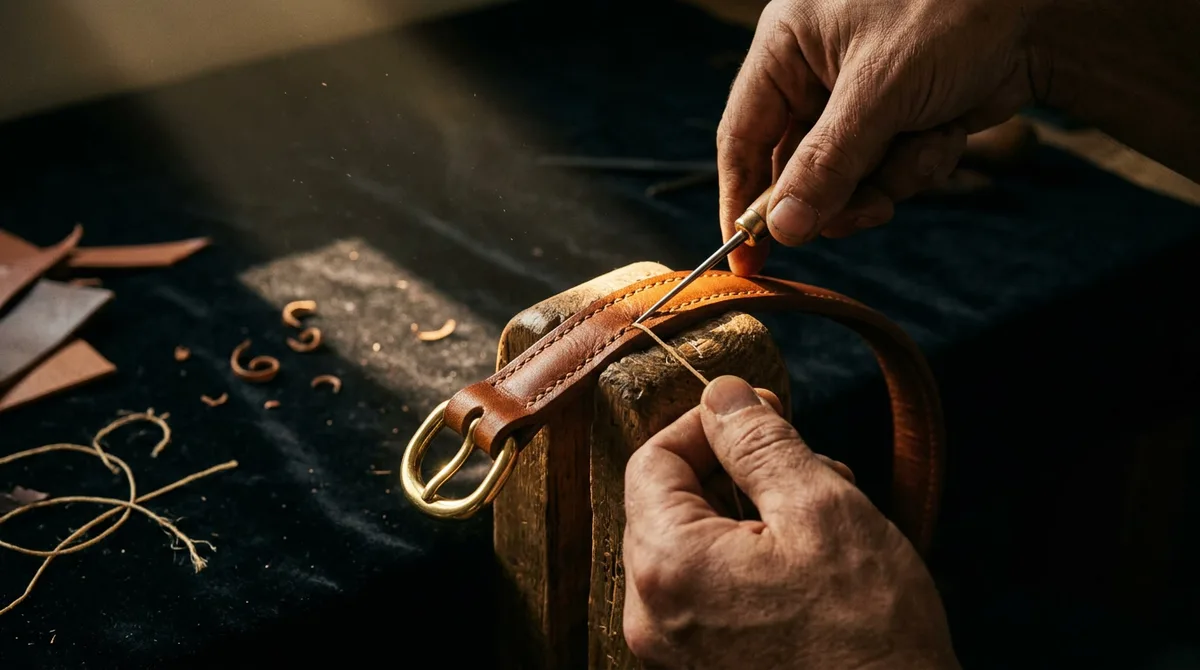
After the material comes the work. Tanning itself runs through preparatory stages, tanning, and crusting, and finishing can add polishing, embossing, or glazing. Every step adds labor, and labor adds cost. Edges that are painted and burnished, zippers that glide for years, and feet that protect the base all raise the price before a single logo appears.
None of this explains a four-figure price on its own. It sets the floor, not the ceiling.
Where the Logo Premium Comes In
The biggest layer is the brand. As handbags went mainstream, their styles, prices, and brand names became just as valuable as their function. The name on the bag turned into part of the product itself.
Economists have a frame for this. A luxury good is one people buy both for its quality and to signal status, and demand for it rises faster than income. Luxury brands lean on three main drivers: a high price, limited supply, and endorsement by celebrities. Scarcity can even be artificial. A waiting list makes a bag feel special, and feeling special is the point.
What Marketing Really Costs
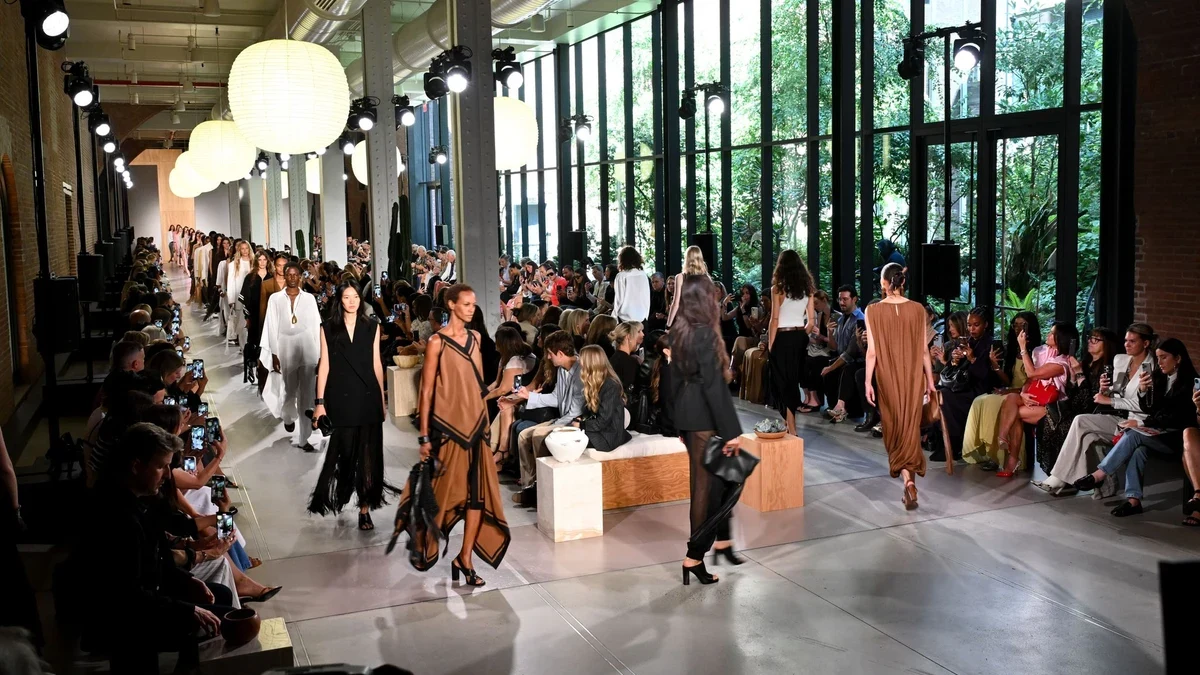
There is also the cost of the dream itself. Spending on advertising for the average luxury brand runs from five to fifteen percent of sales revenue, and closer to a quarter once events, public relations, and sponsorships are added in. Those campaigns, the store staff, the glossy packaging, and the runway shows all have to be paid for out of the margin on each bag. We covered a connected angle in Spring 2026 Fashion Is Moving From Runway Spectacle to Real-Life Styling.
How to Read a Price Tag
So when you judge a bag, look past the logo for a moment. Check the leather grade if it is stated. Feel the hardware and the stitching. Then decide how much the name is worth to you. Some shoppers pay for decades of patina. Others pay for the status the logo carries. Both are real products. Only one of them shows up on a label.
Conclusion
A handbag price blends honest costs with careful mythology. The hide, the tanning, and the craft set a sensible floor. The brand, the scarcity, and the story set everything above it. Knowing which layer you are paying for is the real insider skill.