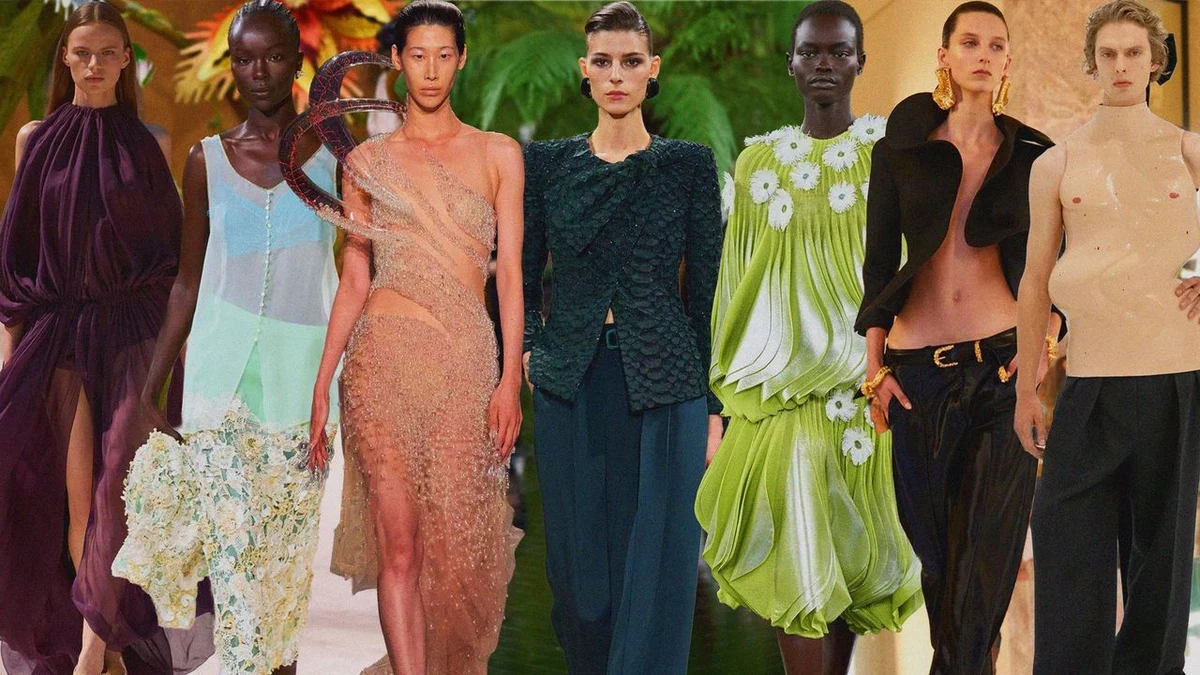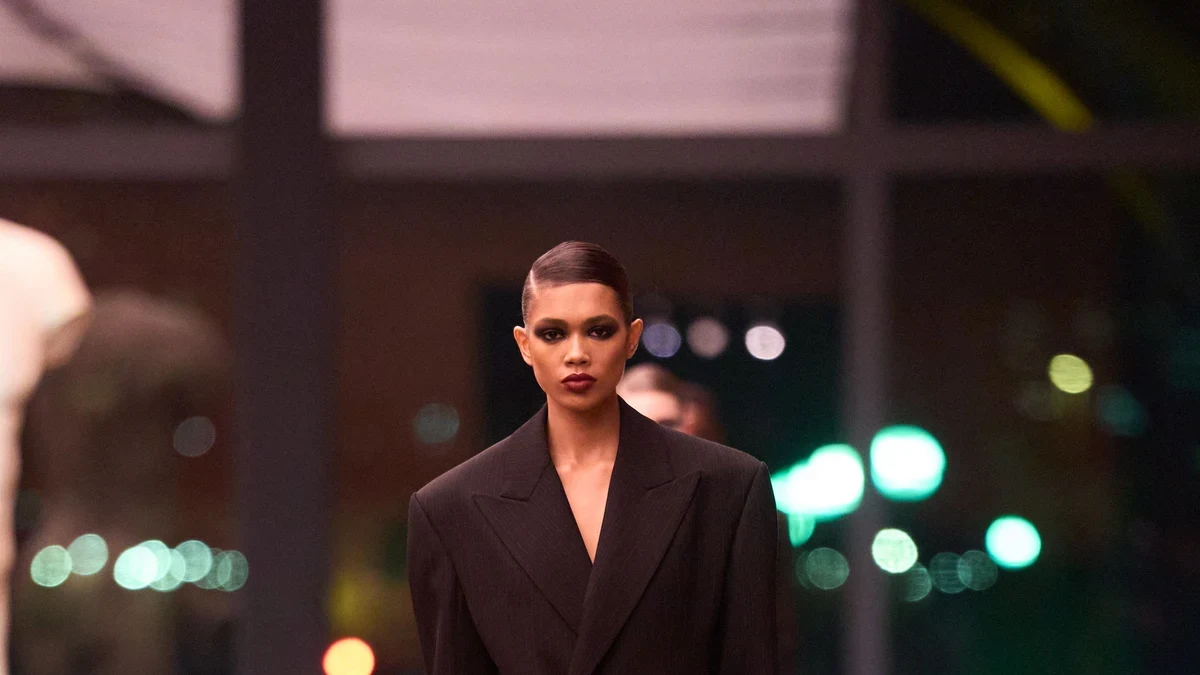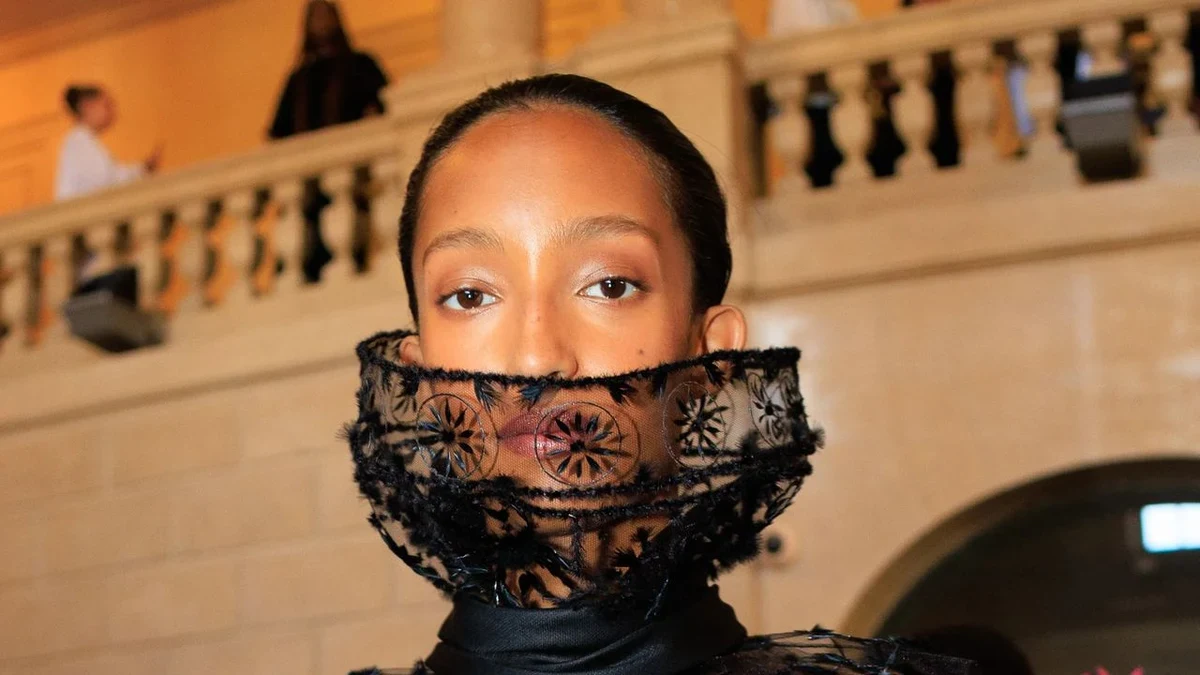
The early couture conversation in Paris was surprisingly emotional. Yes, there were silhouettes, house codes, and front-row images, but the stronger story was how Balenciaga, Dior, and Chanel used couture to test feeling: restraint, fantasy, memory, and the pressure of a new chapter.
On Vogue’s couture week discussion, the opening days were framed through the emotional highs of Balenciaga, Dior, Chanel, and more. That is a useful lens, because couture only works when the labor is visible but the emotion arrives first.
Why this matters beyond Paris
Balenciaga under Pierpaolo Piccioli is one of the industry’s most watched new chapters. Dior’s couture language is also being read closely because a house that large does not change tone casually. Chanel, meanwhile, carries the burden of being recognizable before a model even reaches the end of the room.
For fashion readers, the practical takeaway is not to copy couture. It is to understand direction. If couture is leaning into softness, volume, artisanal detail, and personal emotion, ready-to-wear and celebrity styling will usually absorb those signals later.
That is why a couture review sits naturally beside our Met Gala fashion-as-art coverage. Both ask the same question: when does an outfit become an image with staying power?
The answer this season seems to be: when craft does not feel cold. The most talked-about couture is not simply difficult. It has to feel alive.