

The next big fashion event at The Met is not only about clothes. It is about memory, myth, damage, comeback, and the uncomfortable question of how the industry tells the story of genius when the biography is complicated.
Vogue reports that The Costume Institute’s Spring 2027 exhibition will be dedicated to John Galliano, under the title John Galliano: Horizons. The show is expected to trace four decades of work, from the designer’s 1984 graduate breakthrough through Givenchy, Dior, Maison Margiela, and the theatrical language that made his runway world instantly recognizable.
For fashion, this is a major calendar marker. Galliano is only the third living designer to receive a monographic Costume Institute exhibition, following Yves Saint Laurent and Rei Kawakubo. That alone gives the show weight. But the real reason the announcement matters is that Galliano’s archive is not a simple celebration piece. It is a study in fantasy, construction, performance, and public consequence.
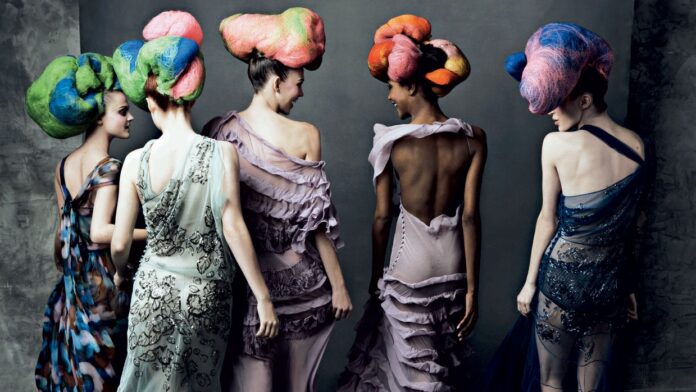
The exhibition is expected to include garments, sketches, toiles, and archival materials, which should make it especially useful for viewers who care about process. Galliano’s best work was never only about the finished dress. It was about the world around it: the character, the scene, the tension between history and spectacle.
That is also why the show cannot avoid the harder chapter. AP notes that the exhibition will confront Galliano’s troubled past, including the 2011 antisemitic remarks that led to his dismissal from Dior and years of professional fallout. Any serious exhibition has to deal with that honestly. To pretend otherwise would flatten both the work and the record.
Fashion museums have become more interesting when they stop behaving like glass cases for beautiful things and start asking sharper questions. The Met has been moving in that direction for years, treating clothes as culture rather than decoration. A Galliano exhibition will test that approach because the beauty is undeniable and the context is unavoidable.
For 24Fashion readers, the announcement also connects to the larger couture conversation we have been tracking, from the emotional return of handwork in Paris Couture Week to the way new creative appointments are reshaping old houses in luxury fashion. Galliano’s influence runs through much of that language: bias cuts, historical reference, theatrical silhouettes, and a belief that clothes can carry a plot.
The question now is not whether the exhibition will draw crowds. It will. The question is whether it can make visitors look with more precision: at the cut, the fantasy, the labor, the harm, the repair, and the industry that made room for all of it.
If it succeeds, John Galliano: Horizons will be more than a blockbuster fashion show. It will be a serious event about how fashion remembers.