
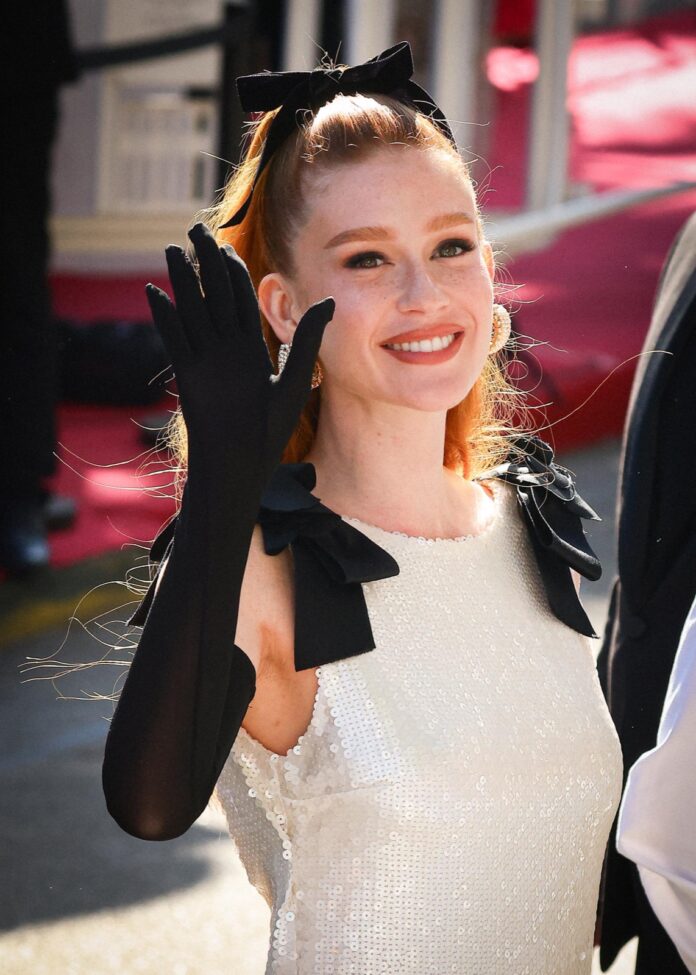

Cannes has always loved a rule. This year, the rules are part of the story. As the 79th Festival de Cannes opens, the red carpet is not just asking who wore what. It is asking who can still make a formal dress code feel alive.
The conversation started before the first major staircase photo even settled online. The festival’s current red-carpet guidance keeps the emphasis on eveningwear for Grand Theatre Lumiere gala screenings, while the much-discussed limits around nudity and overly voluminous silhouettes continue to shape how stylists approach the carpet. Translation: glamour is welcome. A dress that turns the stairs into a logistical problem is not.
A stricter carpet can still be a better carpet
That kind of restriction can sound anti-fashion, but Cannes may be the rare place where it works. The festival has never needed chaos to create a memorable image. Its strongest looks usually come from control: a clean line, a decisive jewel, a face framed by good hair, and a silhouette that understands the distance between the photographers and the top of the steps.
Demi Moore’s opening presence captured that idea neatly. As part of the 2026 jury led by Park Chan-wook, she arrived in the conversation not through gimmick dressing but through polish. Reports from the opening carpet placed her in a sequined Jacquemus look with Chopard jewelry, a combination that felt very Cannes: high-shine, precise, expensive, and camera-ready without begging for a scandal.
It also helped that the ceremony itself had real weight. The Festival de Cannes opened with Eye Haidara hosting, Peter Jackson receiving a tribute, and a jury that includes Moore, Ruth Negga, Laura Wandel, Chloe Zhao, Diego Cespedes, Isaach De Bankole, Paul Laverty, and Stellan Skarsgard. The fashion had to share the frame with cinema, which is exactly where Cannes clothes tend to become more interesting.
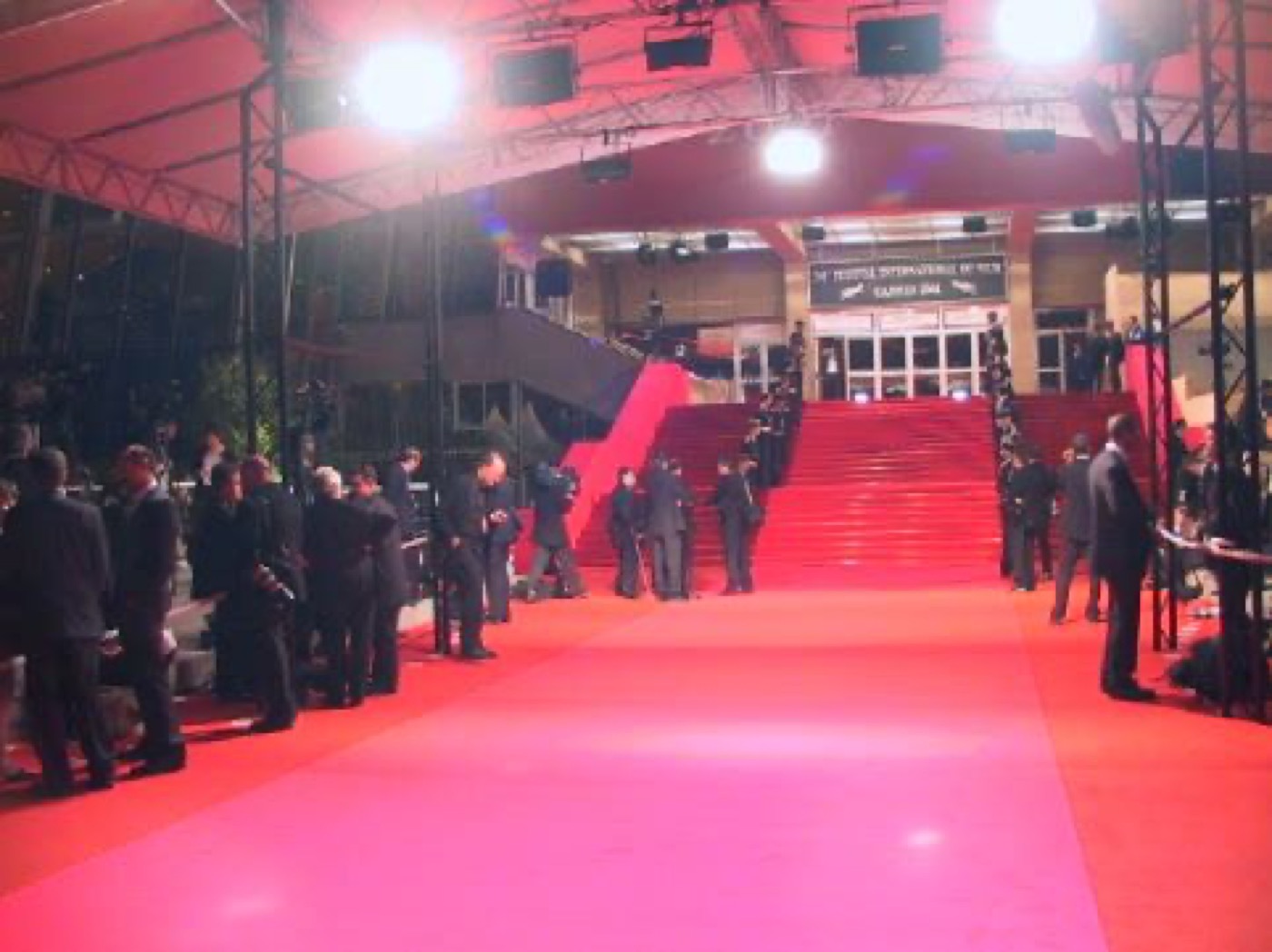
The end of easy shock value
The dress-code debate matters because red carpets have spent years rewarding instant online impact. Sheer fabric, huge trains, impossible proportions, and near-naked construction became easy shorthand for “moment.” Cannes is now nudging celebrities toward a harder question: what happens when the fastest tricks are less available?
The answer should be better styling. Fabric has to do more. Fit has to be cleaner. Jewelry has to have purpose. A black dress cannot coast on being black, and a sparkling gown cannot rely on sparkle alone. The new Cannes mood favors looks that hold up under inspection, not just screenshots.
That does not mean the carpet will become boring. If anything, the first wave of 2026 coverage suggests the opposite. Vogue’s red-carpet roundup points toward a season of sleek formalwear, strong beauty, and celebrities trying to find personality inside a narrower frame. The frame is the point. Cannes is at its best when glamour has to behave just enough to become sharper.
For fashion watchers, that makes the 2026 festival unusually useful. The red carpet is still selling fantasy, but the fantasy has rules now. The winners will be the looks that treat those rules less like a punishment and more like a styling brief.