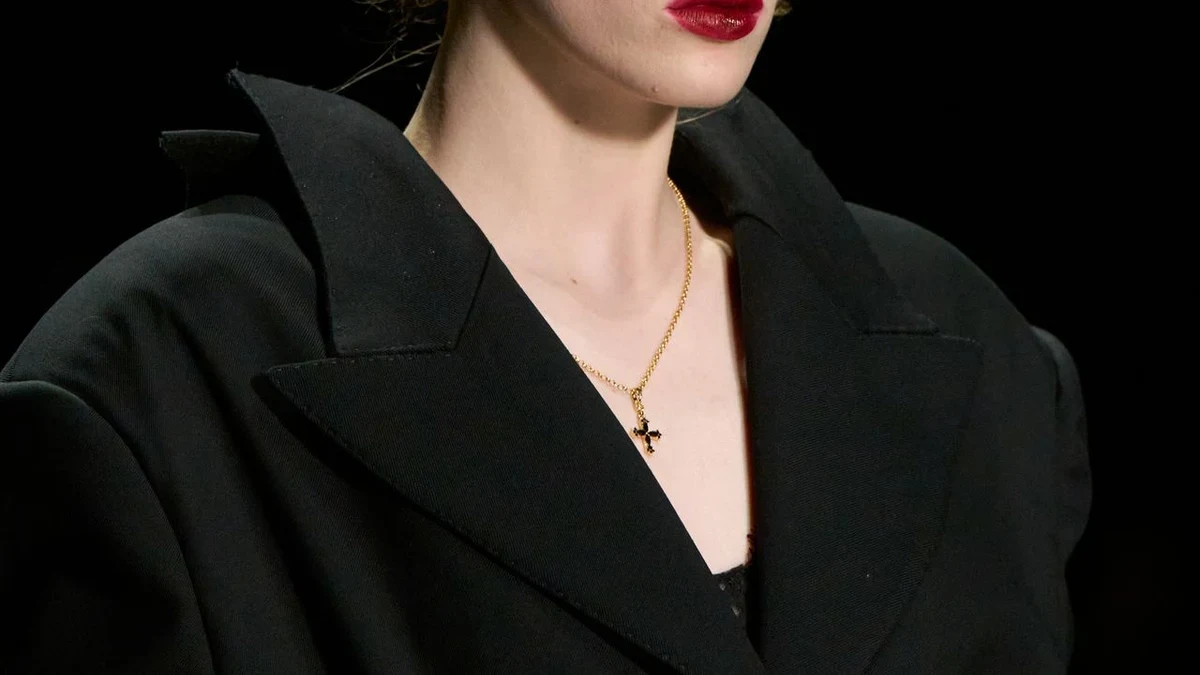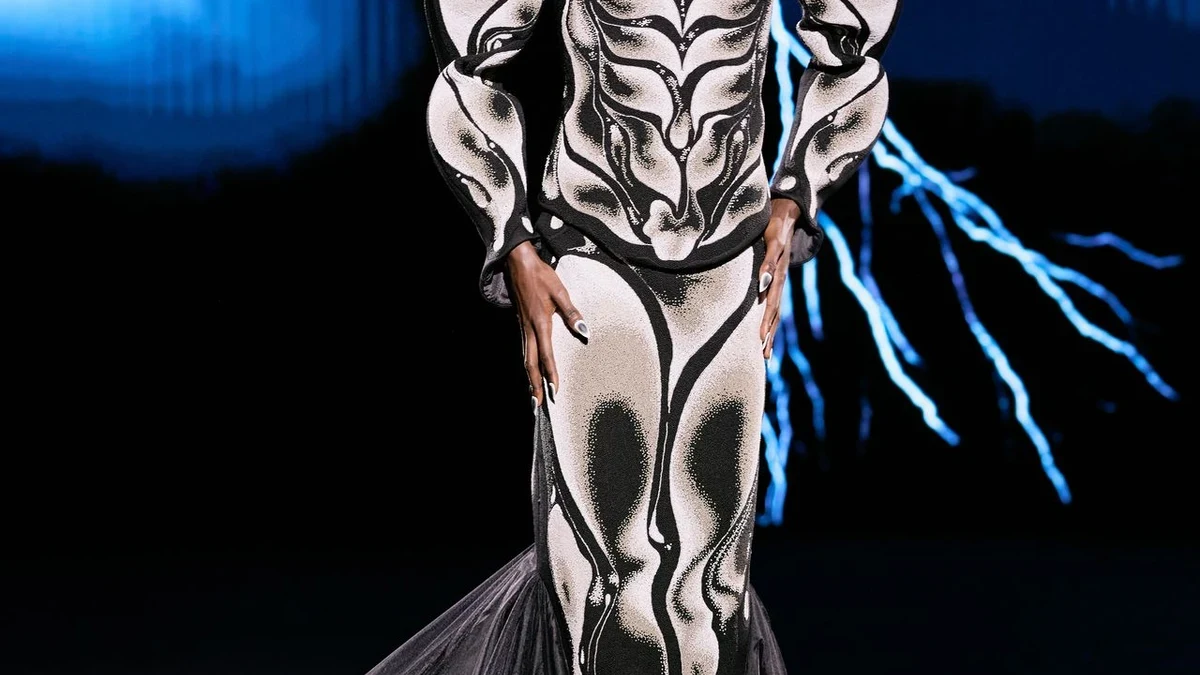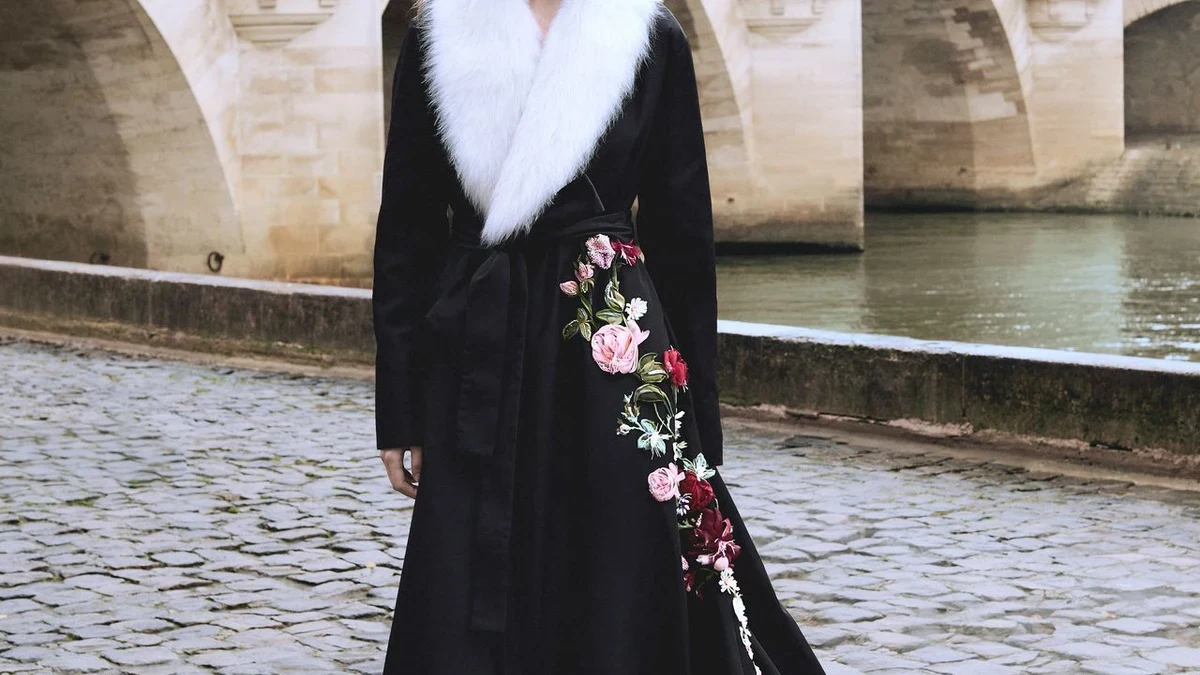
A red carpet placement used to confirm the hierarchy. The biggest stars wore the biggest houses, and everyone else tried to get close to that system. In 2026, the structure is still there, but it is less airtight.
Emerging designers are now appearing in major celebrity fashion conversations with enough frequency to feel like more than a novelty. That shift matters because visibility is one of luxury’s strongest currencies.

The Fashion Signal
The new credibility game
When a star wears a smaller label, the look can feel more personal. It suggests discovery, taste, and a willingness to move outside the safest option.
Why It Matters
For newer designers, one strong placement can change the scale of attention overnight. For established houses, it is a reminder that dominance has to be defended, not assumed.
What this means for fashion media
Visibility is not neutral
A red carpet credit can change how a designer is perceived overnight. For smaller labels, the right celebrity moment can open doors to stylists, buyers, and press that would otherwise take years to reach.

What established brands should notice
The big houses still have power, but they no longer own all the excitement. Audiences are increasingly curious about labels that feel discovered rather than assigned. That curiosity is a real competitive force.
The bigger fashion read
Luxury visibility no longer begins only inside the biggest houses. Smaller labels, independent ateliers, and rising designers can enter the conversation through one precisely placed red-carpet look. That is why this story has more staying power than a quick calendar note: it connects the image people remember with the business and styling choices that shape what happens next.
For readers following the 2026 season, the useful part is the pattern underneath the headline. Fashion is moving faster, but the best moments still reward close looking: the cut of a coat, the discipline of a palette, the way a dress changes under camera light, or the difference between styling that feels deliberate and styling that feels forced.
Why it matters beyond the first photo
There is also a practical layer here. that shift gives stylists more power and gives brands outside the old system a real chance to be seen. That makes the story relevant not only for runway watchers, but for anyone tracking how luxury houses, stylists, and public figures turn attention into a longer conversation.
The strongest fashion stories in 2026 are rarely isolated moments. They sit inside a chain: runway, backstage image, celebrity placement, social reaction, retail edit, and then the quieter wardrobe choices that follow. When that chain feels coherent, a look becomes more than a post. It becomes a signal.
That is the reason Luxury Brands Are Learning That Red Carpet Visibility Can Start Outside the Big Houses is worth keeping on the radar. the result is a healthier fashion conversation, with more risk and less automatic repetition. The first impression matters, of course. But the real test is what still feels sharp after the lights move on.
That makes the topic especially relevant for fashion readers who follow brand discovery. A red-carpet placement can now function like a miniature campaign, introducing a label to stylists, editors, buyers, and fans before a traditional marketing push ever begins.